Reg No. - CHHBIL/2010/41479ISSN - 2582-919X

Supreme Court Extends Sections 85 and 86 of the Bharatiya Nyaya Sanhita (BNS) Protection to Women in Marriage-Like Live-In Relationships
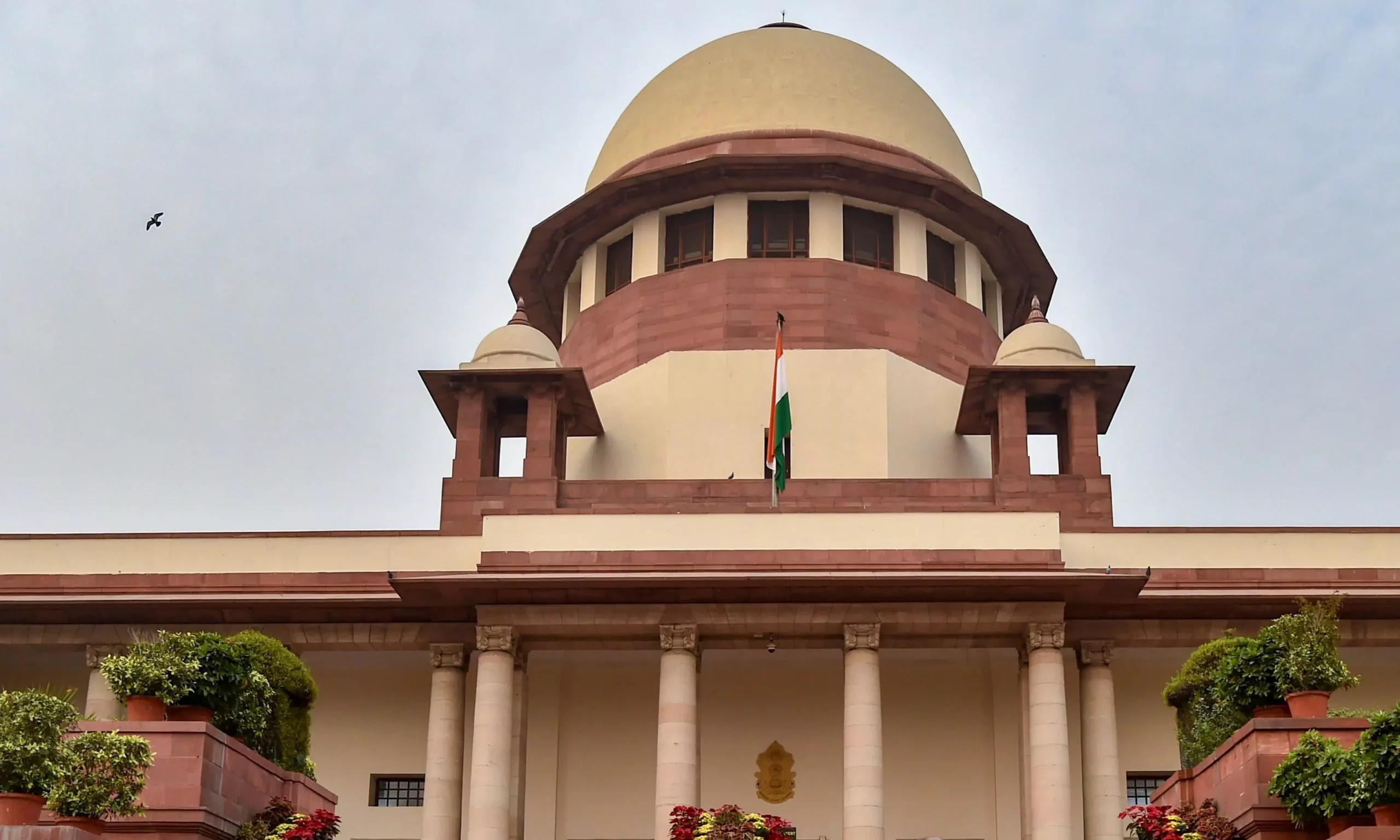
he Supreme Court of India, which on Monday August 3, 2026 ruled that women in live-in relationships “in the nature of marriage” are entitled to protection under Section 498A of the Indian Penal Code against cruelty by their partners or relatives. | File Photo
In a judgment expected to influence the interpretation of domestic cruelty laws, the Supreme Court has held that women living in relationships that legally possess the characteristics of marriage cannot be denied protection merely because the relationship was not formally solemnised. The Bench observed that where a live-in relationship satisfies the legal requirements of a marriage-like union, the anti-cruelty provisions contained in Sections 85 and 86 of the Bharatiya Nyaya Sanhita (BNS) may be invoked. At the same time, the Court made it clear that the procedural safeguards governing arrests and criminal investigations must continue to be followed in every such case.
New Delhi : In a significant judgment expanding legal protection for women, the Supreme Court on Monday August 3, 2026 ruled that Sections 85 and 86 of the Bharatiya Nyaya Sanhita (BNS) )—which criminalises cruelty by a husband or his relatives—will also apply to women in live-in relationships that are “in the nature of marriage.”
The verdict marks an important development in Indian family law by recognising that women in certain long-term live-in relationships deserve the same protection against domestic cruelty as legally married women, while simultaneously ensuring safeguards against misuse of the law.
Key Highlights
- Section 85 and 86 of the Bharatiya Nyaya Sanhita (BNS) A protection extended to qualifying live-in relationships.
- Relationship must be “in the nature of marriage” and involve consenting adults.
- Intent to marry will be an essential factor in determining eligibility.
- The ruling is limited only to Sections 85 and 86 of the Bharatiya Nyaya Sanhita (BNS) ) and does not automatically extend to other legal provisions.
- Supreme Court directed that no automatic arrest should be made without preliminary inquiry, following existing safeguards.
- Court observed that denying protection to women in marriage-like relationships would violate the constitutional guarantee of equality under Article 14.
Court Clarifies Scope of Protection
A Bench comprising Justice Sanjay Karol and Justice N. Kotiswar Singh held that a man living with a woman in a relationship that resembles marriage can face prosecution under Sections 85 and 86 of the Bharatiya Nyaya Sanhita (BNS) if he subjects her to cruelty.
The Court clarified that the protection would not apply to every live-in arrangement but only to those that satisfy the legal test of being “in the nature of marriage.”
The Bench observed:
Sections 85 and 86 of the Bharatiya Nyaya Sanhita (BNS) applicable to live-in relationships that qualify as relationships in the nature of marriage, with the intent to marry being established as an intrinsic part thereof.”
The judges further stated that such relationships must exist between two consenting adults and that the interpretation has been consciously restricted to Sections 85 and 86 of the Bharatiya Nyaya Sanhita (BNS) alone.
Equality Before Law
In one of the most significant observations of the judgment, the Supreme Court held that making a distinction between married women and women in marriage-like live-in relationships, for the purpose of protection from cruelty, lacks a rational basis.
The Bench observed:
“This distinction between ‘married’ and ‘live-in relationship in the nature of marriage’… has no rational nexus with the object of preventing domestic violence and is therefore offensive to Article 14 of the Constitution.”
The Court said the objective of Sections 85 and 86 of the Bharatiya Nyaya Sanhita (BNS) are to protect women from cruelty, and that objective should not be defeated merely because a relationship is not formally solemnised.
No Automatic Arrest
While expanding the legal protection, the Supreme Court also reiterated that the safeguards evolved over the years against misuse of Section 498A must continue.
“…The Supreme Court extended the protection available under the former Section 498A IPC (now Sections 85 and 86 of the Bharatiya Nyaya Sanhita (BNS) framework) to live-in relationships that are ‘in the nature of marriage’.”
It directed that no person accused under the provision should be arrested automatically, and police must conduct a preliminary inquiry before taking coercive action.
The Bench emphasised that existing judicial safeguards regarding arrest would continue to apply equally in such cases.
Court’s Humanitarian Observation
Reflecting on the purpose behind the law, the Court remarked:
“Not a single person enters a relationship expecting cruelty. Every relationship begins with hope, trust and the expectation of happiness. However, when relationships deteriorate into abuse, the law must provide protection.”
The judges observed that the justice system cannot ignore evolving social realities where many couples choose to live together without formal marriage.
Significance of the Judgment
Legal experts believe the ruling strengthens protection for women who face abuse in long-term live-in relationships resembling marriage while balancing the rights of the accused through mandatory procedural safeguards.
The judgment is expected to influence future cases involving domestic abuse in non-traditional family arrangements without altering the legal status of marriage itself.
Our Analysis
The Supreme Court’s decision reflects the judiciary’s continuing effort to align legal protections with changing social realities. While the verdict broadens the reach of Sections 85 and 86 of the Bharatiya Nyaya Sanhita (BNS) it also reinforces safeguards against arbitrary arrests, attempting to balance the rights of both complainants and the accused.

YOU MAY LIKE THIS