Reg No. - CHHBIL/2010/41479ISSN - 2582-919X

When Students Lose Faith, Democracy Must Listen-By-Kumar Bahukhandi (Editorial)
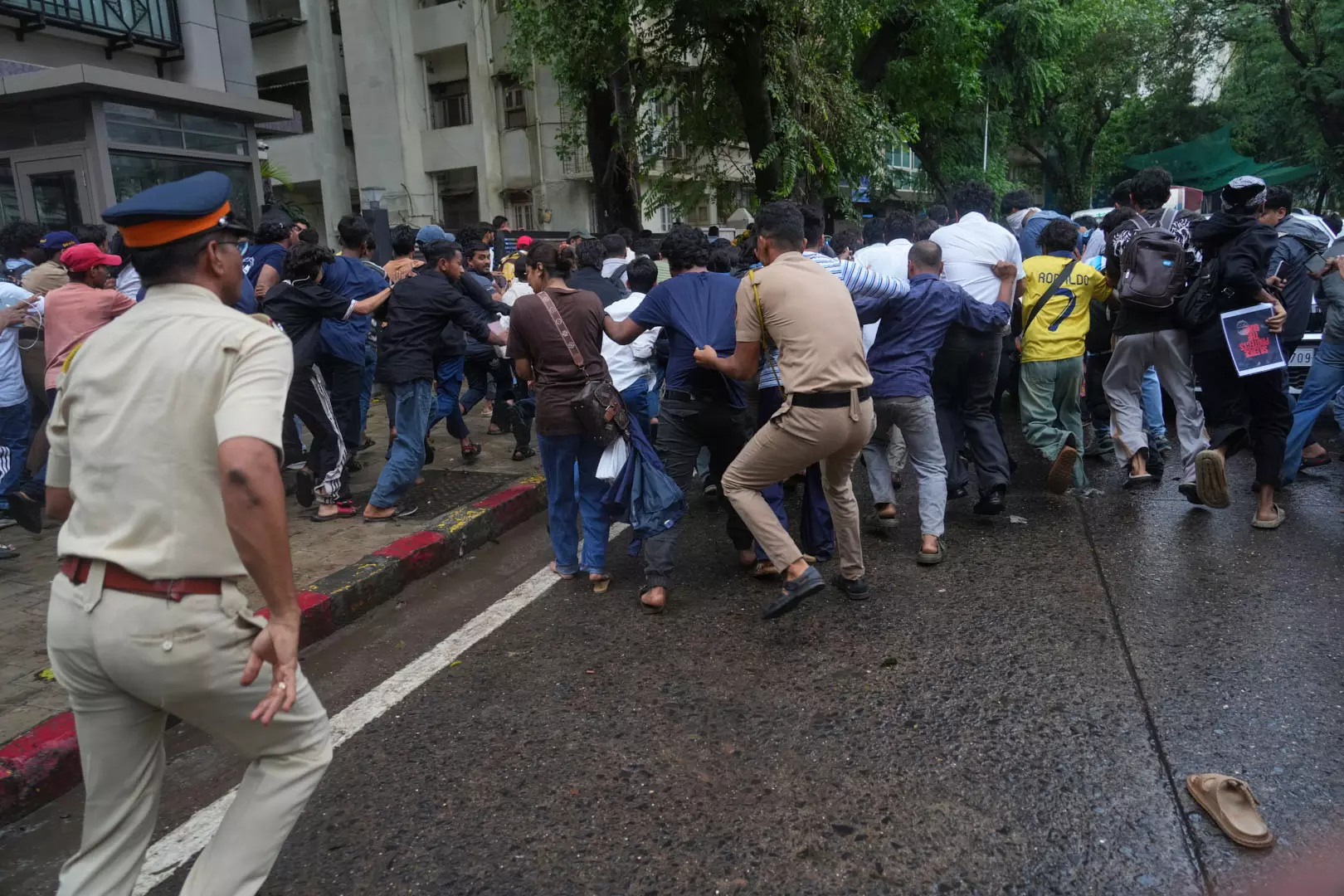
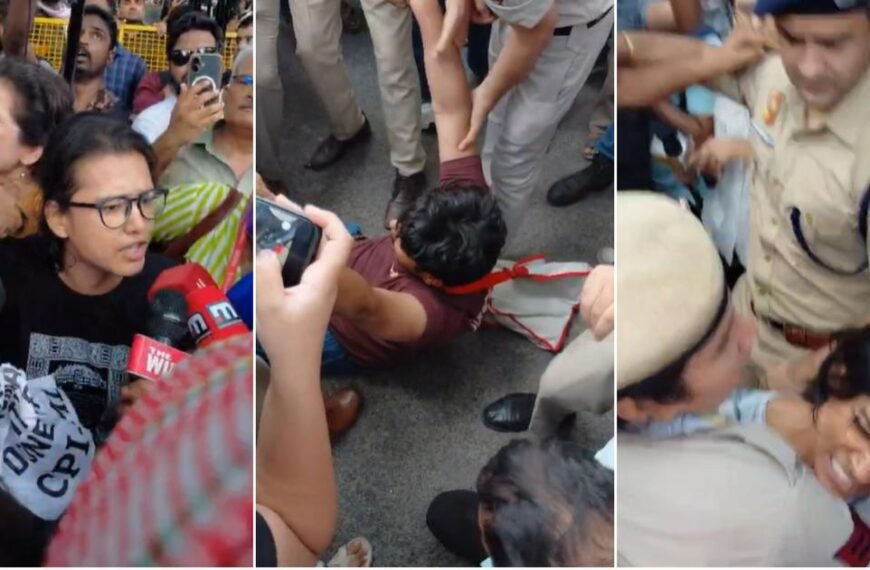
A democracy earns its strength not by suppressing dissent but by responding to it with accountability. The future of India’s youth deserves not only assurance, but action-Photo Credit-primelookindia.com
Young Voices Cannot Be Silenced by Barriers or Barricades
The continuing student demonstrations at Jantar Mantar are no longer just about an examination controversy. They have evolved into a larger expression of frustration over accountability, transparency, and the future of millions of young Indians. Whether one agrees with every slogan or demand raised at the protest site, one reality cannot be ignored: thousands of students continue to gather despite travel restrictions, warnings from educational institutions, and heightened security.
The persistence of the protests suggests that the issue has moved beyond the National Eligibility-cum-Entrance Test (NEET) itself. It reflects a growing perception among many students that their concerns deserve to be heard directly rather than being viewed only through the lens of law and order.
Governments have an unquestionable responsibility to maintain public order. At the same time, peaceful protest is an equally important democratic right. Balancing these two responsibilities is never easy. Excessive restrictions can deepen mistrust, while any violence or damage to public property cannot be justified by protesters either. Responsibility lies on all sides.
The reported closure of Metro stations, extensive barricading, and deployment of security personnel may have been intended to prevent disruption. Yet, as often happens in democratic movements, obstacles can strengthen rather than weaken public resolve. Students who walked long distances to reach Jantar Mantar saw their participation not merely as attendance at a protest but as a statement of civic engagement.
Another significant development was the conclusion of social activist Sonam Wangchuk’s 26-day hunger strike after receiving written assurances from the Union Government. Many students welcomed the decision because of concerns over his health. Others expressed disappointment that the demand for the resignation of the Union Education Minister remained unresolved. These differing reactions underline an important truth: movements are rarely driven by one individual alone. Once public sentiment reaches a certain point, it develops its own momentum.
Political narratives have also begun to dominate the protest. Placards comparing political leaders with historical dictators and emotionally charged slogans reveal the depth of anger among sections of the protesters. Such expressions, while protected within the boundaries of law, also demonstrate how quickly educational concerns can transform into broader political discontent. That shift should concern both the government and the opposition, because students deserve solutions more than political symbolism.
The central question remains accountability. If examination systems fail, investigations must be transparent, those responsible must face consequences, and meaningful reforms must follow. Public confidence cannot be restored through assurances alone; it requires visible institutional action.
Equally important is the conduct of protests themselves. A democratic movement derives its greatest strength from discipline and peaceful participation. Violence, confrontation with law enforcement, or inflammatory rhetoric weakens legitimate demands and distracts attention from the core issue. Likewise, authorities must ensure that policing remains proportionate, lawful, and respectful of citizens exercising their constitutional rights.
India’s young population represents one of its greatest national strengths. Their concerns should never be dismissed as mere agitation. When students leave classrooms to stand on the streets, it signals that they believe established mechanisms have failed to address their grievances. That is a message every democratic institution should take seriously.
The answer to this crisis does not lie in more barricades or louder slogans. It lies in restoring trust—through transparent investigations, accountable governance, meaningful educational reforms, and constructive dialogue between students and policymakers.
Democracy is tested not when everyone agrees, but when disagreement is met with patience, fairness, and the willingness to listen. If the voices rising from Jantar Mantar ultimately lead to stronger institutions and a more credible examination system, this difficult chapter may yet produce lasting reform rather than lasting resentment.

YOU MAY LIKE THIS