Reg No. - CHHBIL/2010/41479ISSN - 2582-919X

CM Sai’s Push Gives Momentum to ₹3,147-Crore Bharatmala Road Project in Jashpur
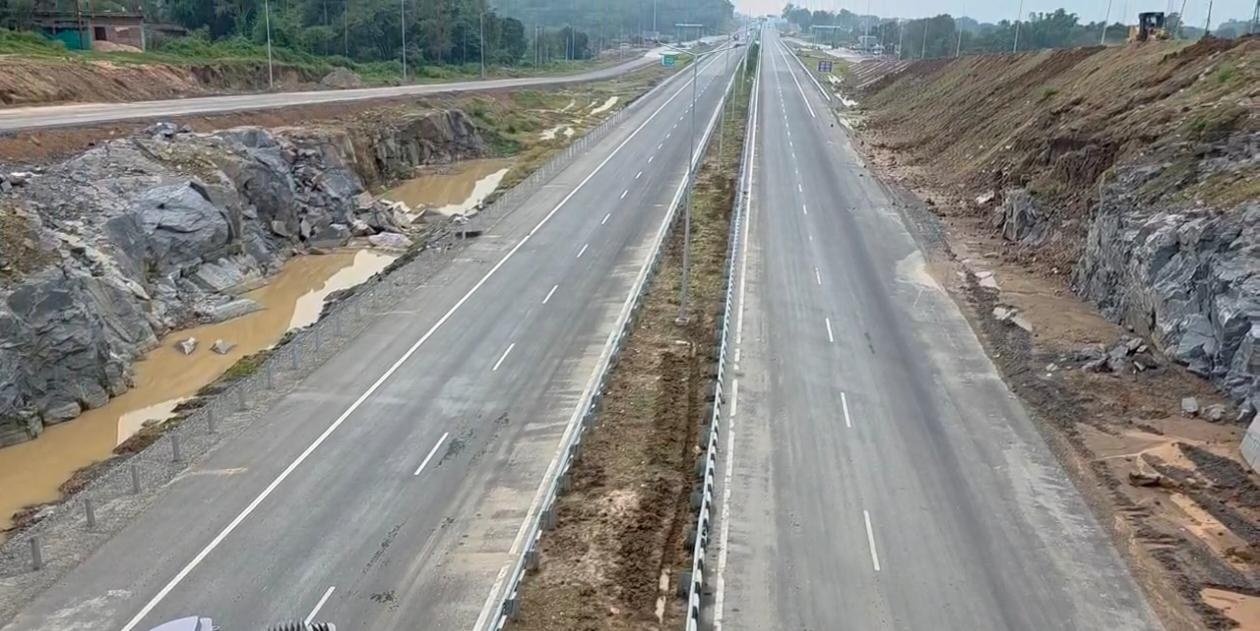
A divided highway stretch is shown in the photograph supplied with the Chhattisgarh government’s release on the ₹3,147-crore Bharatmala project in Jashpur, issued on Friday, October 23, 2026.Photo: primelookindia.com via CG/DPR
Around 104 km of the Raipur–Dhanbad Economic Corridor will pass through the district, promising better connectivity and opportunities in agriculture, trade, tourism and employment
Key Highlights
- The Jashpur portion of the Bharatmala project is being developed at an estimated cost of ₹3,147 crore.
- Approximately 104 km of four-lane road will pass through the district.
- The Raipur–Dhanbad Economic Corridor is approximately 707 km long, according to the state release.
- Jashpur–Raipur travel could take around five to six hours once the relevant connections are fully operational.
- Underpasses and wildlife movement structures are proposed to support safer travel and local access.
Raipur: A ₹3,147-crore road project taking shape in Jashpur under the Bharatmala programme is expected to strengthen the district’s links with Raipur, other major cities and neighbouring states. According to a state government release issued on Friday, October 23, 2026, Chief Minister Vishnu Deo Sai’s efforts have helped advance the Raipur–Dhanbad Economic Corridor, approximately 104 km of which will pass through Jashpur district.
Four-Lane Corridor to Strengthen Regional Links
The economic corridor, whose total length is stated to be approximately 707 km, is intended to improve movement between Raipur and Dhanbad while connecting Jashpur, Pathalgaon and surrounding areas with a wider road network.
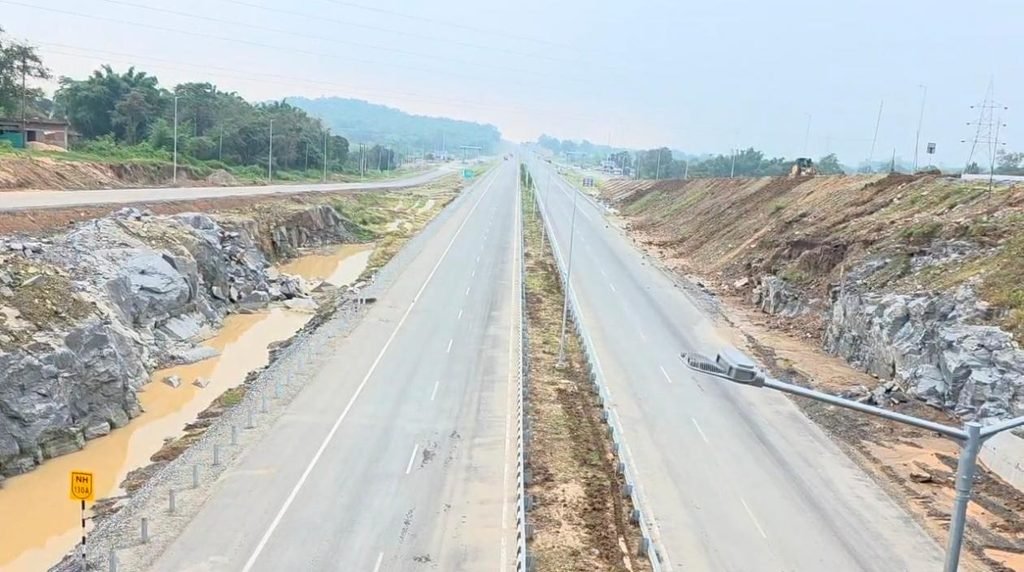
A highway stretch marked NH-130A is shown in the photograph accompanying the state government’s update on road connectivity in Jashpur, released on Friday, October 23, 2026.Photo: primelookindia.com via CG/DPR
The four-lane route is expected to make journeys towards Raipur, Bilaspur, Korba and Jharkhand more convenient. For residents of remote settlements, improved connectivity could also ease access to services and commercial centres outside the district.
Shorter Journeys to Raipur Expected
A major anticipated benefit is reduced travel time between Jashpur and the state capital.
The release projects that the Jashpur–Raipur journey could eventually be completed in approximately five to six hours. Actual journey times will depend on the available route, traffic conditions and the completion and operation of the relevant road links.
It separately cites a reduction from approximately 14 hours to eight or nine hours on associated routes, without specifying the endpoints for that estimate.
Improved roads are expected to make travel easier for residents visiting Raipur and other cities for specialised healthcare, higher education, business and administrative work.
Better Market Access for Farmers and Local Producers
The corridor could strengthen Jashpur’s agricultural economy by making it easier to transport produce to larger markets.
Reduced journey times would be particularly useful for horticultural crops, vegetables and other perishable products. More efficient transport could benefit both farmers and traders by improving access to buyers.
The district also has opportunities in forest produce, handicrafts and rural livelihood activities. Better connections may help local producers expand their market reach and encourage the development of new enterprises.
Construction activity and the subsequent expansion of transport services are also expected to support employment and self-employment opportunities.
Tourism Businesses Could Benefit
Jashpur’s waterfalls, hills, religious sites and tribal heritage offer considerable scope for tourism.
The release identifies Mayali Nature Camp, Madheshwar Hill, Ranidah Waterfall and Kailash Cave among the destinations that could benefit indirectly from an improved regional road network.
Easier access could encourage more visitors from within Chhattisgarh and neighbouring states. Increased tourist movement may, in turn, support hotels, homestays, local transport, food outlets and handicraft businesses.
Such opportunities could provide additional sources of income for young people and rural communities.
Underpasses and Wildlife Structures Proposed
The corridor includes proposals for underpasses, vehicular underpasses and structures designed to accommodate wildlife movement.
These facilities are intended to support smoother traffic on the main carriageway while enabling local residents and vehicles to cross more conveniently.
Wildlife movement structures would also help address the needs of animals moving through areas affected by the road alignment. The proposed infrastructure aims to improve conditions for both long-distance passenger traffic and goods transport.
Road and Rail Connectivity Receive Attention
Alongside Bharatmala, the state government said work on the Katni–Gumla National Highway had gained momentum. Roads are also being constructed and upgraded under the Pradhan Mantri Gram Sadak Yojana and state highway programmes.
The release further stated that information concerning approval associated with the proposed Lohardaga–Dharamjaigarh railway line had been published in the Central Gazette.
As that proposal advances, it could create opportunities for rail connectivity in Jashpur and nearby areas. The release did not specify a completion date or commencement of passenger services.
Connecting Remote Communities with Economic Centres
The government said transport infrastructure in Jashpur’s rural and tribal areas remained a priority under Chief Minister Sai’s leadership.
Roads, bridges and related projects have been advanced over the past approximately three years to improve access to basic facilities and major economic centres.
Once completed, the corridor is expected to support a broader range of activities—from agricultural transport and trade to tourism and rural enterprise—while making journeys more convenient for the district’s residents.

YOU MAY LIKE THIS