Reg No. - CHHBIL/2010/41479ISSN - 2582-919X

CJP Founder Abhijeet Dipke, Two Other Leaders Placed Under Preventive Arrest in Delhi

The Cockroach Janta Party (CJP) emblem. Party founder Abhijeet Dipke and leaders Ashutosh Ranka and Saurav Das have been placed under preventive arrest by Delhi Police following their detention ahead of a planned demonstration at Jantar Mantar. Police said the three would be produced before an Executive Magistrate at Delhi Cantt Police Station.Image: CJP emblem source Internet
Delhi Police to produce Abhijeet Dipke, Ashutosh Ranka and Saurav Das before Executive Magistrate on Sunday after detaining them ahead of planned Jantar Mantar protest
Key Highlights
- Cockroach Janta Party (CJP) founder Abhijeet Dipke and leaders Ashutosh Ranka and Saurav Das placed under preventive arrest.
- Three leaders detained by Delhi Police after their flight landed in the national capital on Saturday.
- Police say the leaders will be produced before an Executive Magistrate at Delhi Cantt Police Station on Sunday, October 11.
- Detentions followed the CJP’s call for a demonstration at Jantar Mantar.
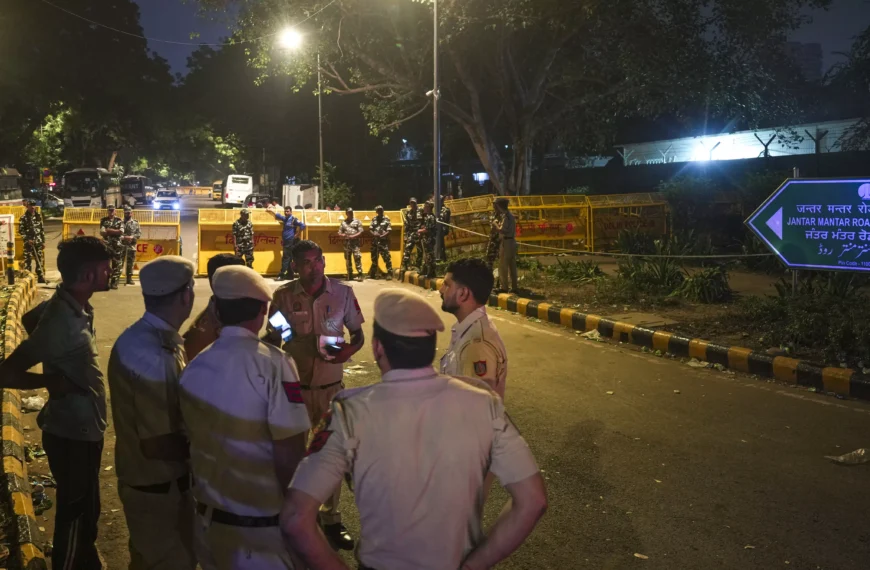
- Extensive police deployment and security restrictions prevented protesters from reaching the designated protest area.
- Preventive arrest is a legal measure distinct from conviction or punishment and remains subject to applicable procedural safeguards.
CJP Leadership Faces Preventive Action Ahead of Protest
New Delhi: Delhi Police have placed Cockroach Janta Party (CJP) founder Abhijeet Dipke and two other party leaders, Ashutosh Ranka and Saurav Das, under preventive arrest following their detention on arrival in the national capital ahead of a planned demonstration at Jantar Mantar. A senior police officer said the three leaders would be produced before an Executive Magistrate at Delhi Cantt Police Station on Sunday, October 11, 2026, as authorities continued to defend the extensive security arrangements made to prevent protesters from reaching the demonstration site on Saturday.
The preventive arrests mark another development in the controversy surrounding the CJP’s protest call, which had prompted substantial police deployment and restrictions in parts of New Delhi.
The demonstration was associated with the party’s opposition to Chief Election Commissioner Gyanesh Kumar over allegations concerning electoral roll irregularities.
Police maintained that the security arrangements were intended to prevent unauthorised gatherings and maintain public order.
Leaders Detained After Flight Landed in Delhi
According to police, Dipke, Ranka and Das were detained after their flight landed in the national capital on Saturday.
The three leaders had travelled to Delhi ahead of the planned protest at Jantar Mantar.
Their detention was subsequently followed by preventive arrest, with police confirming that they would be presented before an Executive Magistrate.
The police account did not specify the exact statutory provisions invoked against the three leaders.
It also did not provide details of any additional allegations or the specific circumstances relied upon to justify preventive action.
These details are significant because preventive arrest must be distinguished from arrest following allegations of a completed criminal offence.
Executive Magistrate to Examine Preventive Proceedings
A senior police officer confirmed that the three CJP leaders would be produced before an Executive Magistrate at Delhi Cantt Police Station on Sunday.
The proceedings are expected to concern the preventive action initiated by police.
Under Indian law, preventive measures may be used in specified circumstances to address apprehended breaches of peace or threats to public order.
Such measures are governed by statutory requirements and procedural safeguards.
The Bharatiya Nagarik Suraksha Sanhita, 2023, contains provisions relating to preventive police action and proceedings before Executive Magistrates.
However, the precise legal basis of the action against Dipke, Ranka and Das has not been specified in the supplied police account.
Preventive arrest does not amount to a finding of guilt, and the three leaders must not be described as convicted or proven to have committed an offence.
Elaborate Security Arrangements Prevent Protesters Reaching Jantar Mantar
Delhi Police had deployed security personnel and established restrictions in anticipation of the CJP’s planned demonstration on Saturday.
According to the police account, the arrangements prevented protesters from reaching Jantar Mantar.
The area is a prominent location for political demonstrations and public gatherings in the national capital.
The police response formed part of a wider security operation surrounding the protest call.
The scale of the restrictions and reports of detentions have also attracted criticism from opposition figures and renewed debate over the right to peaceful assembly.
The available police statement does not establish how many people were detained in connection with the particular operation involving the three leaders.
Protest Linked to Allegations Against Chief Election Commissioner
The CJP’s planned demonstration was directed against Chief Election Commissioner Gyanesh Kumar amid allegations concerning electoral roll irregularities.
The party’s protest call had already generated political attention before the detention of its leaders.
Allegations concerning electoral rolls remain distinct from established findings of wrongdoing and require examination through appropriate electoral and legal mechanisms.
The preventive action against the CJP leadership has introduced a separate legal issue concerning the extent of police authority to restrict participation in demonstrations.
Preventive Arrest and Constitutional Rights
The Constitution of India protects freedom of speech and expression under Article 19(1)(a) and the right to assemble peacefully and without arms under Article 19(1)(b).
These freedoms are subject to reasonable restrictions permitted by the Constitution.
Police authorities also possess statutory powers to prevent certain offences and maintain public order.
The exercise of those powers must remain consistent with applicable legal procedures and constitutional safeguards.
In the present case, the legality and continuation of the preventive action will depend on the relevant statutory provisions, the grounds recorded by police and the proceedings before the competent authority.
Neither the police description of preventive arrest nor the leaders’ involvement in a planned protest establishes criminal guilt.
Political Controversy Continues Over Handling of Demonstrations
The preventive arrests come amid a broader political dispute over security restrictions imposed during the CJP protest.
Opposition leaders have questioned the extent of police deployment and the handling of demonstrators.
The authorities, meanwhile, have maintained that extensive security arrangements were necessary to prevent protesters from reaching Jantar Mantar.
The competing positions have renewed attention to the balance between maintaining public order and protecting constitutionally guaranteed freedoms.
A full assessment will require consideration of the applicable legal provisions, police records and any subsequent judicial or magisterial proceedings.
Sunday Proceedings Could Determine Next Steps
The scheduled production of Dipke, Ranka and Das before the Executive Magistrate represents the next significant stage in the matter.
Further developments will depend on the proceedings and the orders passed by the competent authority.
The supplied account does not indicate whether the leaders have filed legal challenges or whether any court has examined the legality of their detention.
The central question now is whether the preventive action taken against the three CJP leaders satisfies the requirements of law while respecting the constitutional protections available to citizens participating in peaceful political activity.

YOU MAY LIKE THIS