Reg No. - CHHBIL/2010/41479ISSN - 2582-919X

Chhattisgarh Set for 240 Electric Buses as Arun Sao Oversees Landmark Agreement on October 11
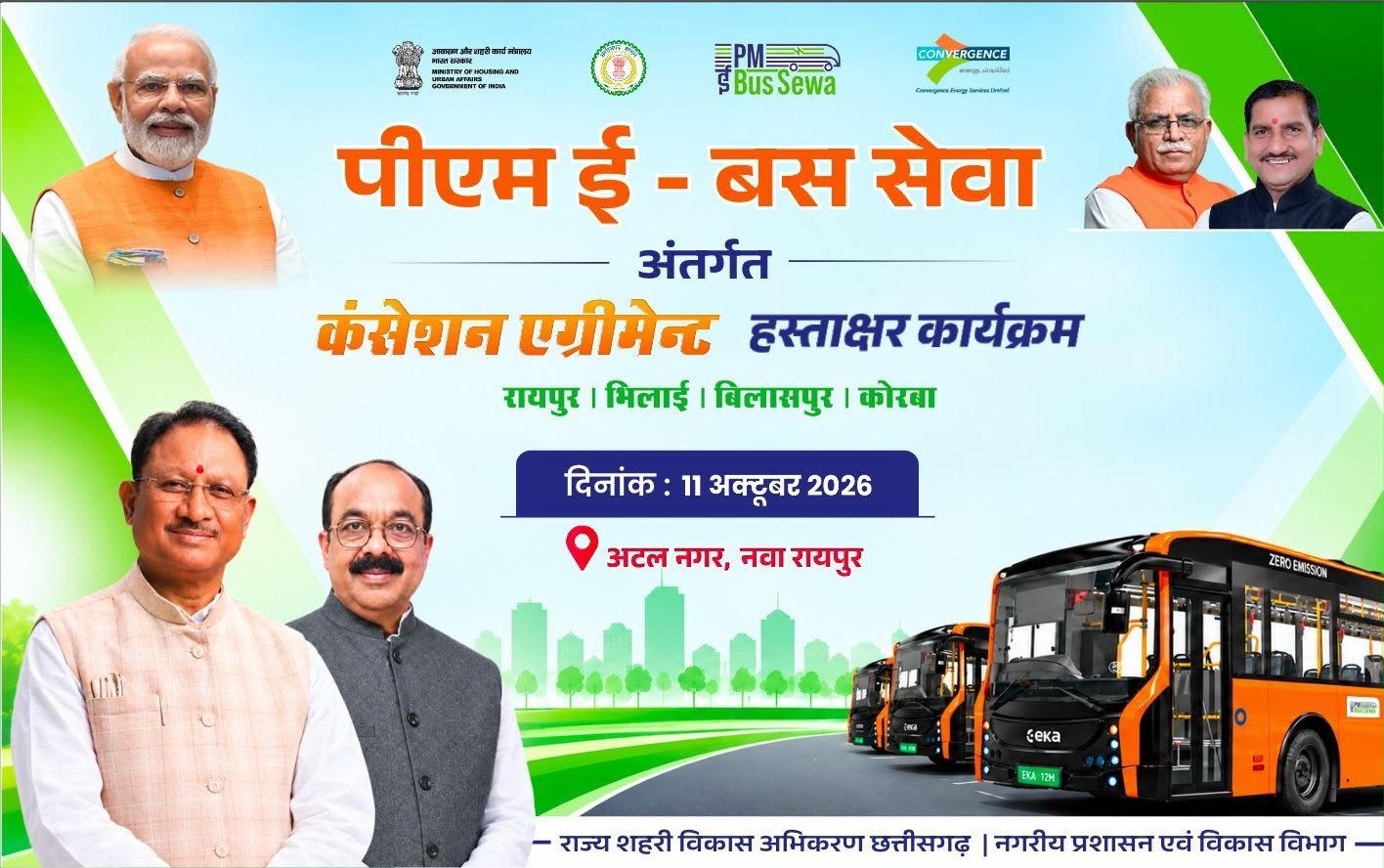
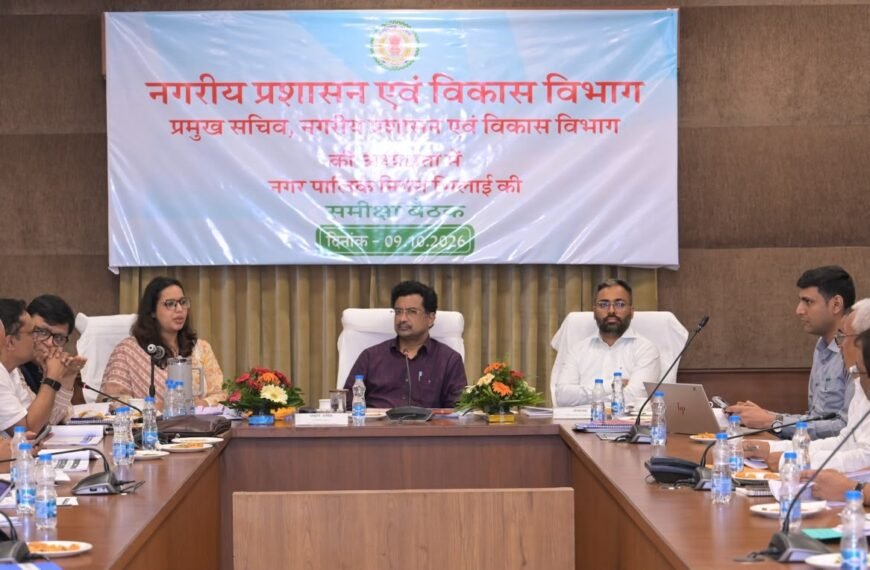
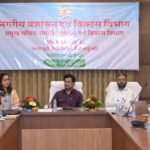
An official announcement graphic for the PM e-Bus Sewa concession agreement programme scheduled for October 11, 2026, at Atal Nagar, Nava Raipur. The proposed agreements, to be signed in the presence of Deputy Chief Minister and Urban Administration Minister Arun Sao, will pave the way for operating 240 electric buses across Raipur, Bilaspur, Durg-Bhilai and Korba. Image :CG/DPR
Raipur, Bilaspur, Durg-Bhilai and Korba to benefit from PM e-Bus Sewa; 20 electric buses each targeted for Bilaspur and Bhilai by November 1, with modern ticketing and passenger safety facilities
Key Highlights
- Concession agreement for 240 electric buses scheduled for Sunday, October 11, 2026, in the presence of Deputy Chief Minister Arun Sao.
- Raipur, Bilaspur, Bhilai and Korba municipal corporations to sign agreements with Chartered Speed Limited.
- Raipur allocated 100 buses, Durg-Bhilai and Bilaspur 50 each, and Korba 40.
- Initial deployment of 20 electric buses each targeted for Bilaspur and Bhilai by November 1.
- Each bus to feature six security cameras, mobile-based fare payment and online ticketing.
- Mayors and commissioners from eight urban local bodies to participate in the agreement-signing programme.
- Principal Secretary Sonmoni Borah says the initiative will strengthen clean, convenient and environmentally sustainable public transport.
Arun Sao to Oversee Major Step Towards Modern Urban Transport
Raipur: Chhattisgarh is preparing to take a significant step towards modern, cleaner and more accessible public transport, with concession agreements for the proposed operation of 240 electric buses scheduled to be signed on Sunday, October 11, 2026. The agreements, to be executed in the presence of Deputy Chief Minister and Urban Administration and Development Minister Arun Sao, will involve the municipal corporations of Raipur, Bilaspur, Bhilai and Korba and the selected operating agency, Chartered Speed Limited, under the Prime Minister’s e-Bus Sewa scheme.
The proposed agreements are expected to establish the operational framework for introducing electric bus services in four major urban centres of Chhattisgarh.
The initiative forms part of the state’s efforts to strengthen urban public transport, provide modern commuting facilities and reduce dependence on conventional fuel-based vehicles.
The agreement-signing programme will be held at Deputy Chief Minister Arun Sao’s residential office in Nava Raipur.
Mayors and municipal commissioners representing eight urban local bodies are expected to attend the programme, along with senior officials of the Urban Administration and Development Department.
Raipur to Receive 100 Electric Buses, Durg-Bhilai and Bilaspur 50 Each
Principal Secretary of Urban Administration and Development Sonmoni Borah said that the first phase of the PM e-Bus Sewa scheme envisages the operation of 240 electric buses across four municipal corporation areas.
Raipur will receive the largest allocation, with 100 electric buses planned for the state capital.
Durg-Bhilai and Bilaspur will receive 50 buses each, while Korba has been allocated 40.
| Urban centre | Proposed electric buses |
|---|---|
| Raipur | 100 |
| Durg-Bhilai | 50 |
| Bilaspur | 50 |
| Korba | 40 |
| Total | 240 |
Borah said the necessary preparations for introducing the services were in their final stages.
“Under the first phase of the PM e-Bus Sewa scheme, a total of 240 electric buses are planned for four municipal corporations in Chhattisgarh. Raipur will have the highest allocation of 100 buses, followed by 50 each for Durg-Bhilai and Bilaspur and 40 for Korba,” Borah said, outlining the proposed distribution.
The allocations indicate a phased approach towards strengthening public transport in major urban areas.
The deployment of electric buses is expected to provide commuters with an additional transport option while supporting efforts to modernise city mobility systems.
Bilaspur and Bhilai Target November 1 for Initial Services
An important aspect of the programme is the proposed early introduction of electric buses in Bilaspur and Bhilai.
According to Borah, the department is targeting November 1, 2026, for the initial operation of 20 electric buses each in the two cities.
This would represent the first stage of deployment before the broader fleet is introduced under the scheme.
“Preparations for operating the electric buses are in their final stages. We have set a target of commencing the initial operation of 20 electric buses each in Bilaspur and Bhilai by November 1, 2026,” the Principal Secretary said.
The proposed November 1 deployment remains a target, and the official information does not specify the final routes, operating schedules or passenger fares.
The agreement scheduled for October 11 is expected to be an important administrative step towards implementing the service.
Six Security Cameras in Every Bus, Digital Ticketing for Passengers
The proposed electric buses will incorporate modern passenger convenience and safety features.
Borah said each bus would be equipped with six security cameras to strengthen onboard monitoring and passenger safety.
Passengers will also be able to make fare payments through mobile-based scanning facilities and obtain tickets online.
The system is intended to make ticketing more convenient while reducing dependence on conventional cash transactions.
“Special attention has been given to passenger convenience and safety. The electric buses will be equipped with modern, high-tech facilities, including six security cameras in each bus, mobile-based fare payments and online ticketing,” Borah said.
Passengers will also be able to obtain information about bus routes through a mobile application.
These facilities are expected to make the proposed services more convenient, particularly for regular commuters who depend on predictable public transport.
The official release does not specify the name of the application or whether live bus tracking will be available.
Cleaner Public Transport to Reduce Dependence on Conventional Fuels
The PM e-Bus Sewa scheme is intended to promote cleaner and more sustainable public transport in urban areas.
Borah said the introduction of electric buses would help reduce dependence on traditional fuels and contribute to lowering air pollution and carbon emissions.
“The objective of the PM e-Bus Sewa scheme is to make urban public transport clean, convenient and environmentally friendly. Electric buses will help reduce dependence on conventional fuels, lower air pollution and carbon emissions, and modernise urban transport systems,” he explained.
Electric buses produce no tailpipe emissions during operation, although their overall environmental benefits also depend on the electricity used for charging and the infrastructure supporting the fleet.
For urban centres experiencing increasing traffic demand, the availability of reliable public transport can provide an alternative to private vehicles.
However, the long-term effectiveness of the programme will depend on service frequency, route planning, fare affordability, maintenance and charging infrastructure.
Mayors of Eight Urban Local Bodies to Attend Signing Ceremony
The agreement-signing programme will bring together elected representatives and senior municipal officials from eight urban local bodies.
Those scheduled to participate include Raipur Mayor Meenal Choubey, Bilaspur Mayor Pooja Vidhani, Korba Mayor Sanju Devi Rajput and Durg Mayor Alka Baghmar.
Rishali Mayor Shashi Sinha, Bhilai Mayor Neeraj Pal, Birgaon Mayor Nandlal Dewangan and Bhilai-Charoda Mayor Nirmal Kosare are also expected to attend.
Their participation reflects the wider regional importance of coordinated urban transport planning, particularly across the interconnected urban areas of Durg and Bhilai.
The programme will also be attended by Principal Secretary Sonmoni Borah, Urban Administration and Development Director Nilesh Kshirsagar and State Urban Development Agency Chief Executive Officer Sumit Agrawal.
Concession Agreement to Establish Operational Framework
The agreements with Chartered Speed Limited are intended to facilitate the proposed operation of electric bus services in the selected cities.
Concession agreements generally establish responsibilities between public authorities and the selected service operator, although the specific contractual terms for this programme have not been detailed in the supplied announcement.
The signing is therefore an important step towards implementation, rather than confirmation that all 240 buses will begin operating immediately.
The actual commencement of services will depend on the completion of operational preparations and the deployment schedule.
Electric Mobility Could Reshape Daily Commuting in Chhattisgarh
The introduction of 240 electric buses has the potential to improve public transport options for students, employees, traders and other regular commuters.
In Raipur, the proposed 100-bus allocation could support a wider urban transport network once routes and schedules are finalised.
The planned allocation of 50 buses each to Bilaspur and Durg-Bhilai could similarly strengthen connectivity within these urban areas.
Korba’s proposed 40-bus fleet would provide an opportunity to expand organised public transport in the industrial city.
Beyond environmental considerations, the success of the programme will be determined by its usefulness to passengers.
Reliable schedules, accessible bus stops, appropriate routes and affordable fares will be essential to encouraging regular ridership.
October 11 Agreement Marks Beginning of Implementation Phase
The proposed signing ceremony under Deputy Chief Minister Arun Sao’s supervision represents a significant milestone in Chhattisgarh’s urban transport programme.
With 240 buses planned and initial services targeted for Bilaspur and Bhilai by November 1, the state is preparing to move from administrative planning towards the introduction of electric public transport.
The programme also places responsibility on municipal corporations and the selected operator to ensure that the services are implemented efficiently.
The real measure of success will be whether the new electric bus network delivers dependable, affordable and safer public transport while contributing to cleaner and more sustainable cities across Chhattisgarh.

YOU MAY LIKE THIS