Reg No. - CHHBIL/2010/41479ISSN - 2582-919X

The US and Iran have reached an agreement on these issues, but Trump has suggested corrections to the draft peace deal.
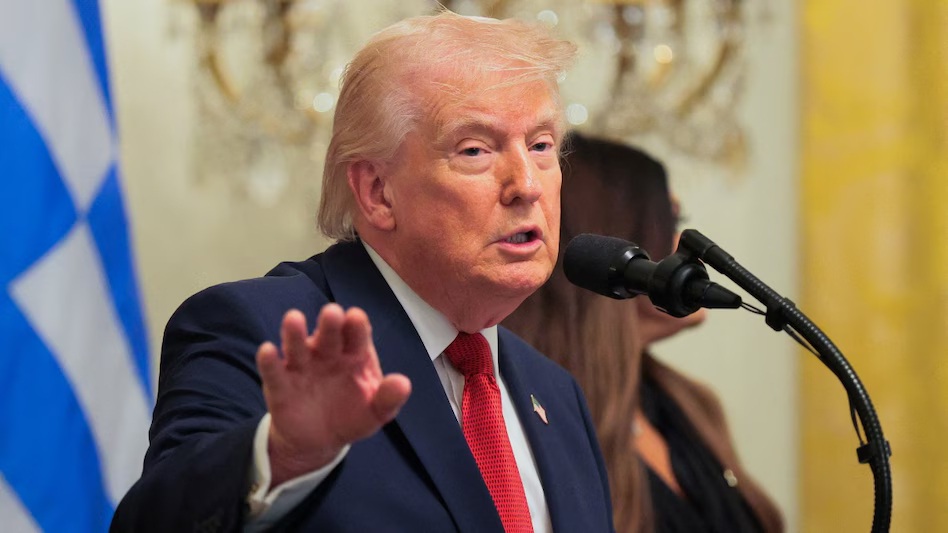
US President Trump is struggling to reach a peace deal with Iran. (File Photo – REUTERS)
A potential peace agreement between the United States and Iran appears to be entering its final stages; however, President Donald Trump has demanded several new changes to the draft text. Specifically, the U.S. seeks to tighten its conditions regarding Iran’s stockpile of enriched uranium, its nuclear program, and the Strait of Hormuz.
The weeks-long negotiations between the U.S. and Iran have once again reached a new juncture. President Donald Trump has now requested several amendments to the draft peace agreement prepared by representatives from both nations. Consequently, finalizing the deal may take a few additional days.
According to a report by Axios, during a high-level meeting held in the White House Situation Room on Friday, Trump instructed his officials to strengthen several key provisions of the agreement. In particular, Trump seeks greater clarity regarding Iran’s nuclear program and its existing stockpile of enriched uranium.
According to the report, the current draft includes a commitment from Iran that it will never develop nuclear weapons. However, the Trump administration believes that such a general pledge is insufficient. The U.S. also seeks to clarify the fate of Iran’s enriched uranium stockpile—specifically, the timeline for its removal and the manner in which the U.S. will gain access to the material.
How Will the U.S. Acquire the Enriched Uranium?
A senior U.S. official stated, “The issue now boils down to more precise terms and timelines. The question is: when and how will the U.S. take possession of that material?” This is the reason why negotiations regarding this specific section of the agreement have resumed.
Trump Also Seeks Clarity on the Strait of Hormuz
The report further indicates that Trump desires changes to the language used in the agreement regarding the Strait of Hormuz. The U.S. insists that this vital waterway remain fully and unrestrictedly open to international shipping. Rising tensions surrounding the Strait of Hormuz in recent months have impacted both the global oil market and maritime trade. Under the proposed agreement, a 60-day timeframe has been established, during which detailed negotiations are scheduled to take place regarding issues such as Iran’s nuclear program, controls on enrichment activities, and potential relief from U.S. sanctions. However, even before these negotiations have officially begun, the issue of uranium stockpiles has emerged as the most significant and sensitive point of contention.
When Will the U.S.-Iran Deal Be Concluded?
Another U.S. official stated, “The deal will happen; there is no doubt about that. The only question is when. We are prepared to wait to ensure that we achieve what the President desires. It could happen within a week—perhaps even sooner—or it could take a little longer.”
Meanwhile, U.S. officials note that it may take a few days to receive a response from the Iranian side. They assert that direct communication channels are not currently operational, and negotiations are being conducted through intermediaries.
What Does Iran Stand to Gain from the Peace Deal?
In the interim, Iranian state media has claimed that the agreement is nearly finalized and that, under its terms, Iran could gain access to billions of dollars in funds currently frozen abroad. However, the White House has not confirmed these claims. Consequently, it is evident that while a deal may indeed be close at hand, consensus on several critical issues still needs to be reached before a final signing can take place.

YOU MAY LIKE THIS