Reg No. - CHHBIL/2010/41479ISSN - 2582-919X

Who Actually Controls the Shri Ram Temple? The Surprising Truth About Governance at Ayodhya- By- Kumar -Bahukhandi ( Editorial )
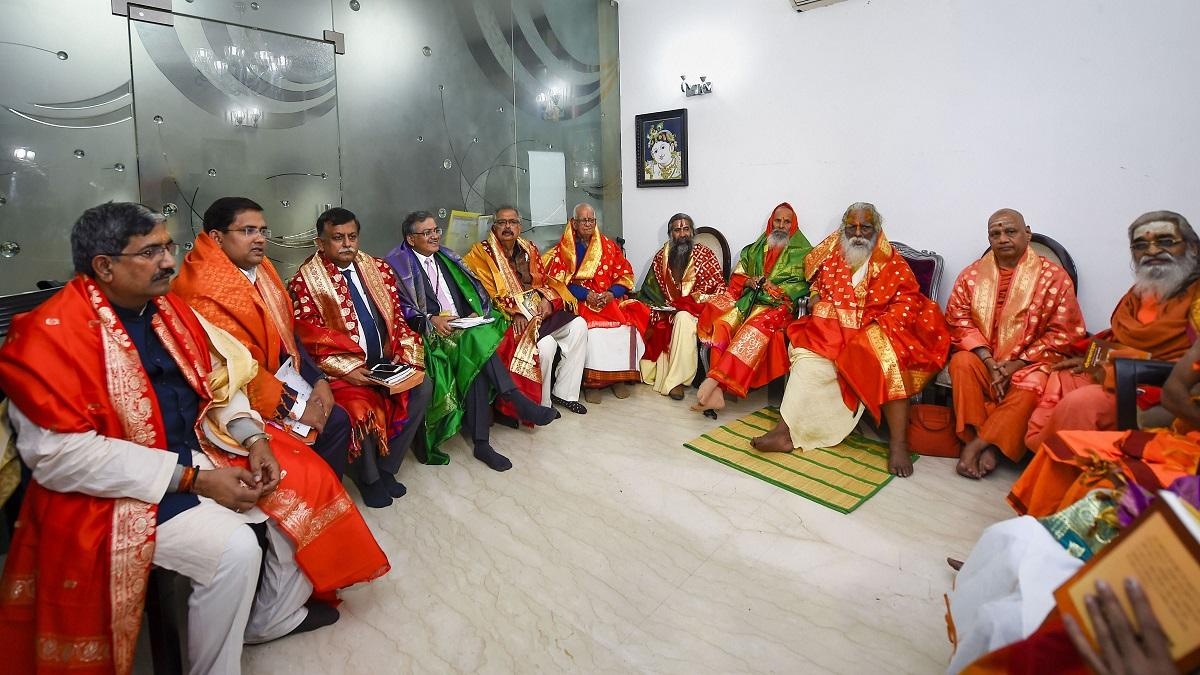
The Shri Ram Janmabhoomi Teerth Kshetra Trust independently administers the Ram Temple in Ayodhya, with decisions on management, finances and administration taken by the trust rather than the government.
Contrary to popular belief, the Shri Ram Janmabhoomi Teerth Kshetra Trust—not the government—holds the authority to manage the Ram Temple. The role of General Secretary Champat Rai and the trust’s autonomous functioning reveal an important distinction between public perception and institutional reality.
The inauguration of the Ram Temple in Ayodhya was one of the most significant moments in India’s contemporary history. Since then, millions of devotees have visited the temple, and with its growing prominence, questions have increasingly been raised about who actually controls its administration.
Many assume that because the temple was built after a landmark Supreme Court judgment and enjoys the support of the Central and Uttar Pradesh governments, it is managed directly by the government. That assumption, however, is incorrect.
The Shri Ram Janmabhoomi Teerth Kshetra Trust is an independent trust constituted to oversee every aspect of the temple’s administration. It is this trust—not the Central Government, the Uttar Pradesh Government, or any ministry—that is legally responsible for managing the shrine, its finances, development projects, donations, staff appointments and religious affairs.
Why the Trust Exists
Following the Supreme Court’s 2019 verdict in the Ram Janmabhoomi case, the Court directed the Central Government to establish a trust for the construction and management of the temple. In compliance with that direction, the Government of India constituted the Shri Ram Janmabhoomi Teerth Kshetra Trust in February 2020.
Once established, the trust became an autonomous body responsible for the temple’s affairs.
Who Is Champat Rai?
Champat Rai serves as the General Secretary of the Shri Ram Janmabhoomi Teerth Kshetra Trust. In this capacity, he oversees the trust’s day-to-day administration, coordinates construction and development work, manages organisational affairs and communicates decisions taken by the trust.
His authority stems from his position within the trust and the trust’s internal governance structure—not from any governmental office.
Does the Government Control the Temple?
The distinction is important.
The government facilitated the legal framework for establishing the trust, but the temple’s routine functioning, administration and financial management are carried out by the trust itself.
This means:
- Donations are managed by the trust.
- Administrative decisions are taken by the trust.
- Religious ceremonies are organised by the trust.
- Development planning is overseen by the trust.
Government agencies may provide security, civic infrastructure, traffic management and public services around the temple complex, but these responsibilities are different from controlling the temple’s internal administration.
Why This Distinction Matters
In India, many prominent religious institutions function through independent trusts or statutory boards rather than direct government management. Understanding this distinction promotes greater institutional clarity and avoids confusion between public administration and religious governance.
The Ram Temple is both a national symbol and a place of worship. While governments have supported infrastructure development in Ayodhya, the temple’s day-to-day administration remains vested in the Shri Ram Janmabhoomi Teerth Kshetra Trust.
The Takeaway
The belief that the government controls the Ram Temple is widespread, but the legal position is different. The Shri Ram Janmabhoomi Teerth Kshetra Trust is the authority entrusted with managing the temple, while individuals such as Champat Rai, acting in their official capacity within the trust, exercise administrative responsibilities under its governance framework.
Recognising this distinction helps separate constitutional responsibility, judicial directives and institutional autonomy—an essential aspect of understanding how one of India’s most significant religious institutions is governed.

YOU MAY LIKE THIS