Reg No. - CHHBIL/2010/41479ISSN - 2582-919X

US Takes 35% Stake in Venezuela Oil Venture, India Watches Supply Implications
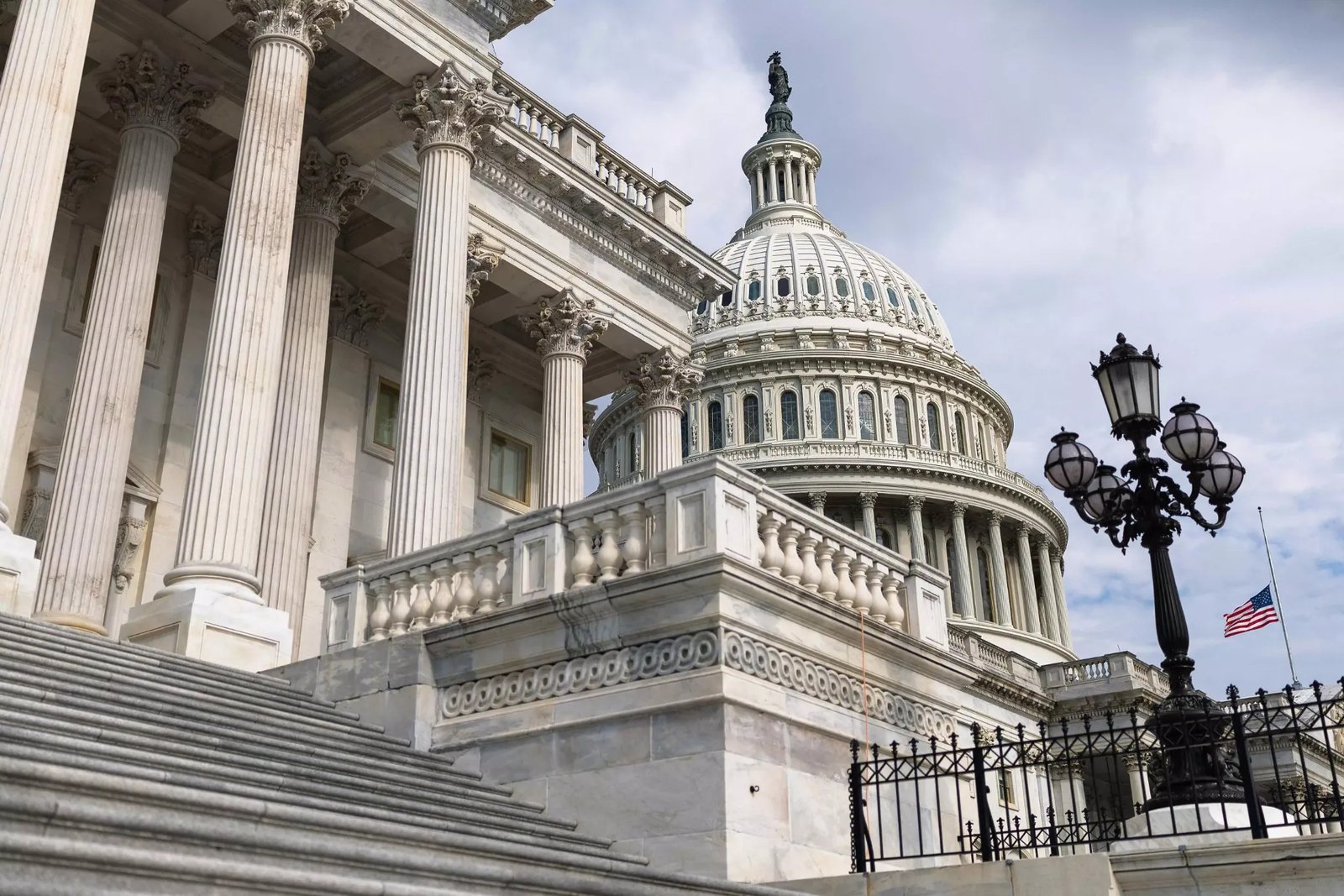
The US Capitol in Washington, D.C. The United States has taken a 35% equity stake in a private venture holding long-term rights over 17 Venezuelan oilfields, marking a significant expansion of Washington’s involvement in Venezuela’s energy sector. (Photo: Reuters)
US-backed venture gains long-term rights over 17 Venezuelan oilfields holding an estimated 65 billion barrels, as Washington seeks greater influence over energy supplies previously linked to Chinese and Russian interests
Key Highlights
- Pentagon’s Office of Strategic Capital to take a 35% equity stake in the NABEP venture.
- NABEP has 100-year rights over 17 Venezuelan oilfields containing an estimated 65 billion barrels of reserves.
- The US receives preferential rights to purchase 20% of production at cost.
- Venezuela’s National Assembly approved the agreement on September 1, 2026.
- Several fields were previously connected with Chinese and Russian interests.
- NABEP proposes up to $100 billion in infrastructure investment.
- Chevron is separately expected to expand its Venezuelan operations.
- Increased Venezuelan production could eventually offer India additional crude-sourcing options, although the impact will depend on production, prices, sanctions/legal arrangements and commercial viability.
Washington DC: Washington has unveiled an extraordinary oil arrangement giving the US government a 35% equity interest in a private venture holding long-term rights over 17 Venezuelan oilfields, significantly expanding American involvement in one of the world’s largest petroleum reserves.
The arrangement centres on North American Blue Energy Partners (NABEP), controlled by Venezuelan businessman Alejandro Betancourt. Venezuela has granted the venture 100-year rights over 17 fields containing an estimated 65 billion barrels of proven reserves. Several of the fields were previously associated with Russian or Chinese companies.
Under the agreement, the Pentagon’s Office of Strategic Capital will hold a 35% stake in the venture’s corporate structure. The United States will also have the right to purchase 20% of its oil production at cost, giving Washington an unusual combination of financial participation and preferential access to Venezuelan crude.
Venezuela’s National Assembly approved the agreement on September 1, adding an important development to earlier reports about questions surrounding its legal and political status.
Strategic Energy Shift
The agreement represents a major shift in Washington’s approach towards Venezuela’s vast petroleum resources. US officials have presented it as an attempt to increase production, attract investment and move Venezuelan energy assets away from longstanding Chinese and Russian influence.
NABEP has proposed investing as much as $100 billion in new Venezuelan oil infrastructure. However, analysts caution that restoring production from ageing and underinvested fields could take years and that political and contractual risks remain substantial.
Chevron is separately preparing to expand its Venezuelan operations, providing another indication that Western energy companies could regain a larger role in the country’s oil industry.
For India, the development deserves attention rather than being presented as an immediate supply breakthrough. Indian refiners have experience processing Venezuela’s heavy crude, and greater Venezuelan production could eventually widen India’s sourcing options. Reuters also reports that ONGC, along with Chevron, Eni and Shell, is pursuing separate arrangements under Venezuela’s changing energy framework.
Any substantial revival of Venezuelan production could therefore give India additional flexibility as it balances crude purchases and strategic relationships with the United States, Russia and other major energy suppliers.

YOU MAY LIKE THIS