Reg No. - CHHBIL/2010/41479ISSN - 2582-919X

Governor Deka Honours Artists as Rajyotsav Celebrates Faith, Music and Chhattisgarh’s Cultural Heritage
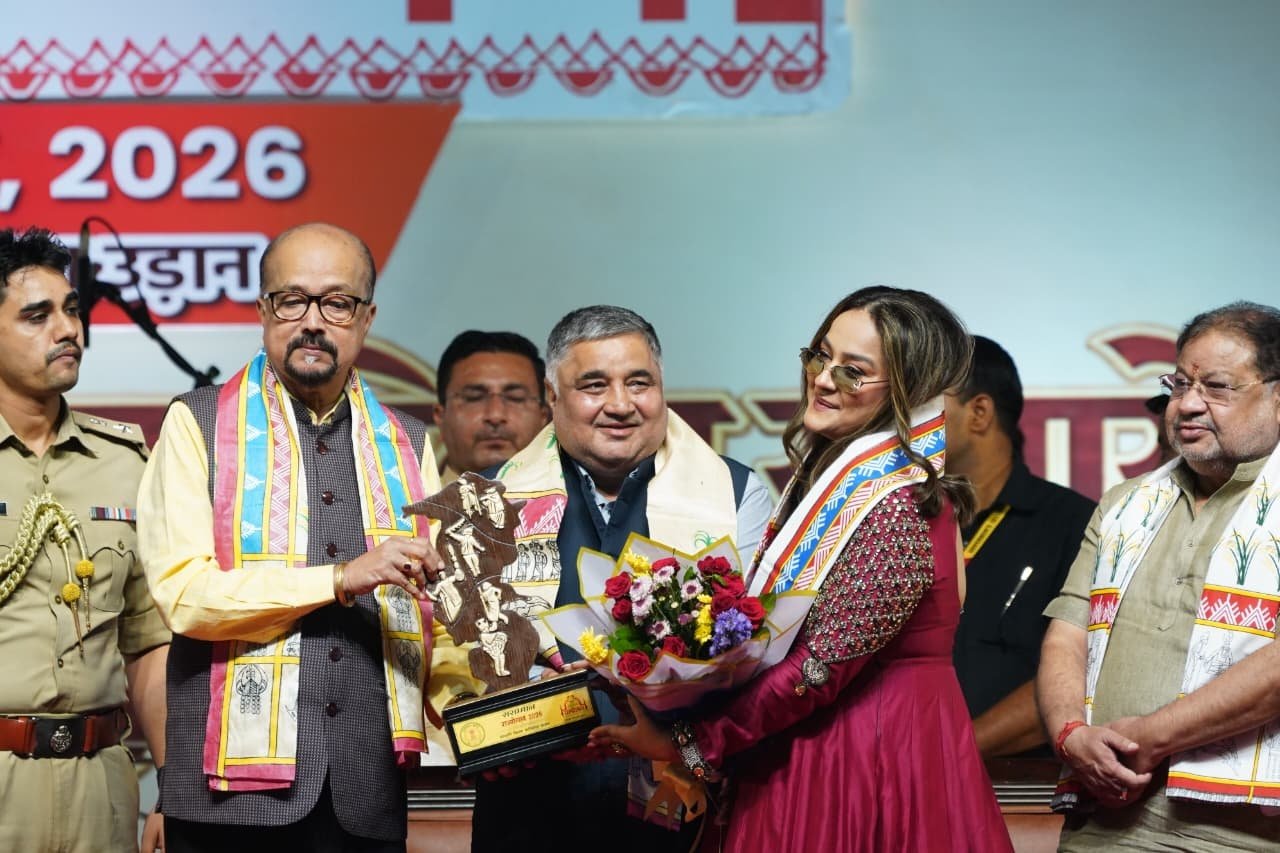
Governor Ramen Deka honours singer Swasti Mehul in the presence of Culture Minister Rajesh Agrawal and MLA Sunil Soni during the second evening of Rajyotsav 2026 at the Rajyotsav grounds in Nava Raipur on Monday, November 2, 2026. Photo: primelookindia.com via CG/DPR
Swasti Mehul and Kanchan Joshi enthral audiences in Nava Raipur; Governor Ramen Deka honours artists as Shilpgram showcases folk and classical traditions
Key Highlights
- ‘Main Ayodhya Hoon’ opens the main-stage programme with a theatrical presentation of Ayodhya’s cultural and spiritual heritage.
- Swasti Mehul performs devotional songs, while Kanchan Joshi brings the flavour of Chhattisgarhi music.
- Governor Ramen Deka honours the participating artists.
- Eleven presentations at Shilpgram feature Pandwani, Sua dance, Odissi, Kathak, folk music, Sufi singing and ghazals.
Raipur: Theatre, devotional music and Chhattisgarhi songs marked the second evening of Rajyotsav 2026 at the Rajyotsav grounds in Nava Raipur on Monday, November 2. Performances on the main stage and at Shilpgram brought together artists presenting different strands of India’s cultural heritage, from classical dance to regional folk traditions.
Governor Ramen Deka attended the programme as chief guest and honoured the artists who performed during the evening.
The main-stage attractions included the theatrical production ‘Main Ayodhya Hoon’, devotional performances by Swasti Mehul and Chhattisgarhi songs by Kanchan Joshi. At Shilpgram, artists from different districts presented a varied programme of music, dance and folk theatre.
‘Main Ayodhya Hoon’ Opens the Evening
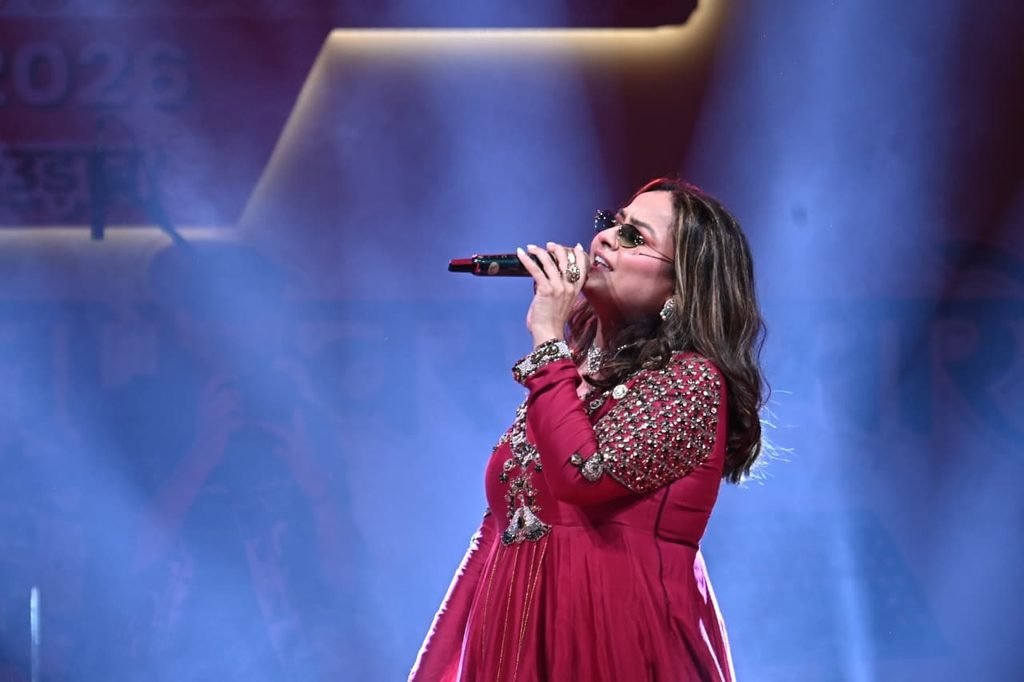
Singer Swasti Mehul performs devotional songs during the second evening of Rajyotsav 2026 in Nava Raipur on Monday, November 2, 2026. Photo: primelookindia.com via CG/DPR
The main-stage cultural programme began with ‘Main Ayodhya Hoon’, an hour-long theatrical presentation exploring Ayodhya’s historical, religious and spiritual heritage.
Through acting and stagecraft, the production presented themes of faith, tradition and cultural identity. Its narrative also incorporated the history surrounding the construction of the Ram temple, connecting the subject with the broader spiritual and cultural significance of Ayodhya.
The performers used dramatic expression to bring these themes to the stage, making theatre a central part of the evening’s opening programme.
Swasti Mehul Brings Devotional Music to the Stage
Singer Swasti Mehul, known for ‘Ram Aayenge’, followed with a devotional repertoire that drew an enthusiastic response from the audience.
Her rendition of ‘Ram Aayenge’ had listeners swaying along, while ‘Kanha Aan Baso Vrindavan’ brought themes of Krishna devotion into the programme.
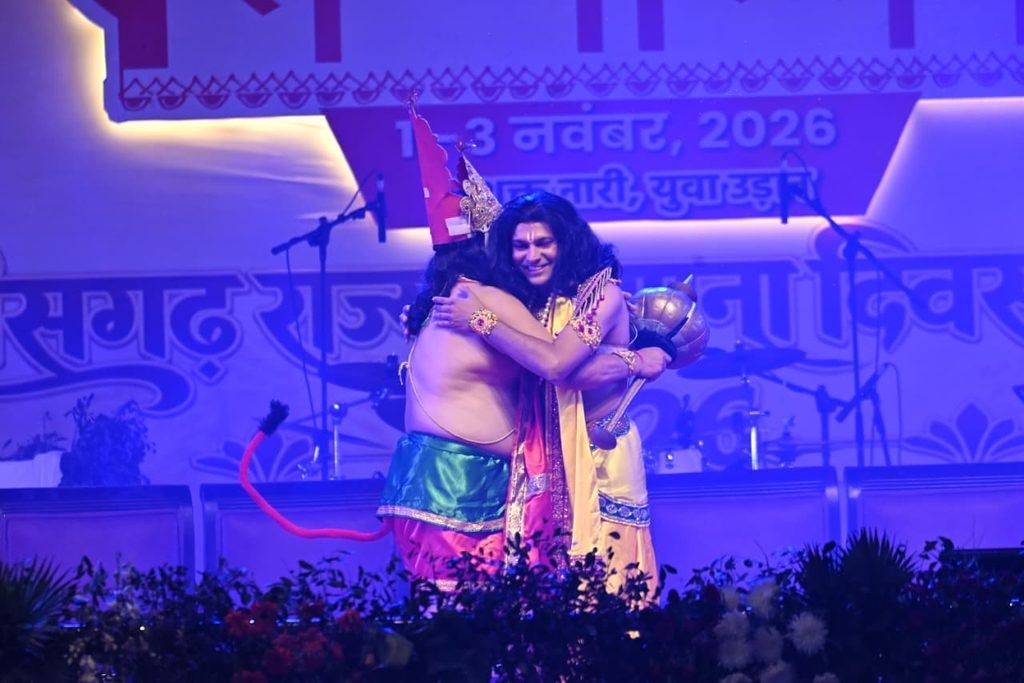
Artists portraying Lord Ram and Hanuman perform a scene from ‘Main Ayodhya Hoon’ during Rajyotsav 2026 in Nava Raipur on Monday, November 2, 2026. Photo: primelookindia.com CG/DPR
The performance shifted the evening from theatrical storytelling to devotional music, with her vocals accompanied by the illuminated main-stage setting.
Kanchan Joshi Celebrates Chhattisgarhi Music
Chhattisgarhi singer Kanchan Joshi added a distinctly regional flavour to the celebrations with a selection of popular songs.
Her repertoire included ‘Mola Le De Na Raja Son Ke Nathni’, ‘Mor Man Jhoome’ and ‘Kar Le Tai Maya Ke Chinhari’. Audience members responded to the familiar songs by swaying and dancing in their places.
The performance brought the language and musical character of Chhattisgarh to the forefront of the main-stage programme, complementing the devotional and theatrical presentations.
Shilpgram Hosts Eleven Cultural Presentations
Alongside the main-stage events, Shilpgram hosted 11 presentations spanning Chhattisgarhi folk music, Pandwani, Sua dance, Odissi, Kathak, Sufi music, ghazals and folk theatre.
Prasanna Awasthi presented folk music and dance, while Sushmita Das performed Odissi. Sampriya Pooja Nishad from Durg brought the Pandwani storytelling tradition to the stage.
Ankit Nirmalkar from Bilaspur presented Sufi music, ghazals and light vocal music, adding another musical dimension to the programme.
The range of performances allowed visitors to experience several artistic traditions within the Rajyotsav venue.
Pandwani and Sua Reflect Regional Traditions
Pandwani offered a glimpse of Chhattisgarh’s narrative performance tradition, presenting stories from the Mahabharata through its distinctive combination of singing and dramatic expression.
Milwantin Bai from Gariaband presented the traditional Sua dance, reflecting the state’s community life, folk beliefs and cultural practices.
Megha Bose Tamrakar from Raipur contributed a folk music performance. Together, these presentations placed Chhattisgarh’s regional traditions at the centre of the Shilpgram programme.
Classical Dance and Folk Theatre Add Variety
Aanchal Pandey and Vinita Tripathi presented Kathak, while the Odissi performance added to the evening’s classical dance offerings.
Rukhmani Diwan from Dhamtari and Tejram Sahu presented folk theatre rooted in Chhattisgarhi life, traditions and social culture.
A musical performance by Aditya Mishra’s band further broadened the programme, bringing a contemporary element to the mix of traditional forms.
A Platform for Artists from Across the State
The second day’s cultural programme gave artists from different districts an opportunity to perform before a wider audience.
By featuring regional music and storytelling alongside classical dance and contemporary performances, Rajyotsav offered visitors a varied introduction to the state’s artistic life.
The Shilpgram events also complemented the larger main-stage productions, creating space for local traditions within the celebrations and opportunities for younger audiences to encounter these art forms.

YOU MAY LIKE THIS