Reg No. - CHHBIL/2010/41479ISSN - 2582-919X

US Strikes Iran, Tehran Retaliates as Middle East Hostilities Flare Again
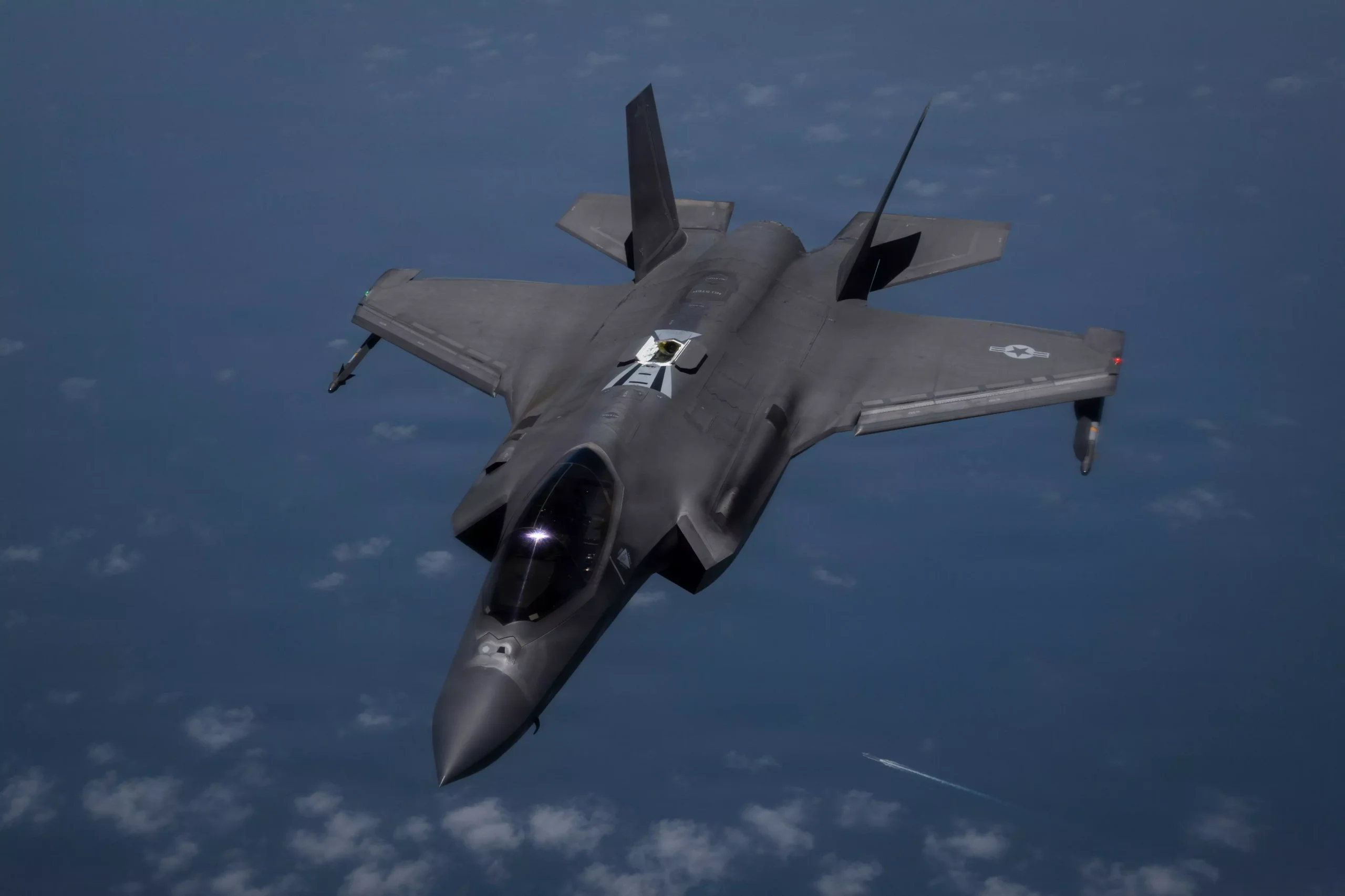
A US Air Force F-35A Lightning II stealth fighter flies over regional waters while conducting operations in the Middle East. US forces carried out a fresh wave of strikes against Iranian military targets on September 1, 2026, prompting missile and drone retaliation from Tehran. (Photo: US Central Command/X)
Renewed US attacks target Iranian air defences, radar and maritime capabilities as Tehran responds with missiles and drones, raising fresh concerns over regional security and the Strait of Hormuz
Key Highlights
- US forces carried out a new wave of strikes against Iranian military targets on September 1.
- CENTCOM confirms strikes on air-defence sites, radar systems, maritime facilities, mine-laying capabilities and communications sites.
- Iran retaliated with ballistic missiles and drones across the region.
- Jordan reported intercepting Iranian missiles.
- Iranian authorities reported civilian casualties from a strike on a house hosting a wedding; the US said it was examining reports originating from Iranian media.
- Renewed fighting has increased concerns about security and energy flows through the Strait of Hormuz.
- The escalation follows approximately a month without major US military action against Iran.
Washington: The United States launched a fresh wave of strikes against Iranian military targets on Tuesday, September 1, as Iran retaliated with missiles and drones across the region, ending a month-long lull and sharply escalating tensions in an already volatile Middle East.
US Central Command said its forces struck Islamic Revolutionary Guard Corps targets, including air-defence sites, radar systems, maritime assets and facilities, mine-laying capabilities and communications sites. Washington said the action followed attempted Iranian attacks against commercial shipping in the Strait of Hormuz and American personnel in the region.
Iran responded by launching ballistic missiles towards Jordan, where American forces are stationed. Jordan’s military said it intercepted most of the incoming missiles, while others fell in unpopulated areas. Iran also claimed to have launched attacks targeting US forces elsewhere in the Gulf.
President Donald Trump warned Tehran against further retaliation and indicated that additional US military action could follow if attacks against American interests continued.
Civilian Casualty Claims Add to Tensions
Iranian officials said one of the US strikes hit a house where a wedding was being held in Kuhestak in southern Iran, killing five people and injuring dozens. US Central Command acknowledged reports of civilian casualties but said they originated from Iranian state media and reiterated that American forces do not deliberately target civilians. AP independently reports the Iranian allegation but does not establish from independent evidence that the wedding gathering was intentionally targeted.
Iranian media also reported strikes around Bandar Abbas, Qeshm Island and other areas of Hormozgan province, as well as an incident at Jiroft Airport in Kerman province.
The renewed fighting follows US strikes on Sunday against Iranian rocket launchers near the Strait of Hormuz. CENTCOM said those launchers posed a threat to international shipping. Iran subsequently fired missiles towards US positions in Jordan.
The escalation has again focused international attention on the Strait of Hormuz, one of the world’s most important energy corridors. Continuing military confrontation around the waterway risks affecting crude supplies, shipping costs and global energy prices.
Iranian President Masoud Pezeshkian had earlier indicated that Tehran was prepared to return to an interim ceasefire arrangement if Washington also complied with its commitments. The renewed exchange of fire, however, has made prospects for an immediate de-escalation considerably more uncertain.

YOU MAY LIKE THIS