Reg No. - CHHBIL/2010/41479ISSN - 2582-919X

Supreme Court Gives Petitioners 10 Days to Respond to Election Commission’s SIR Affidavit
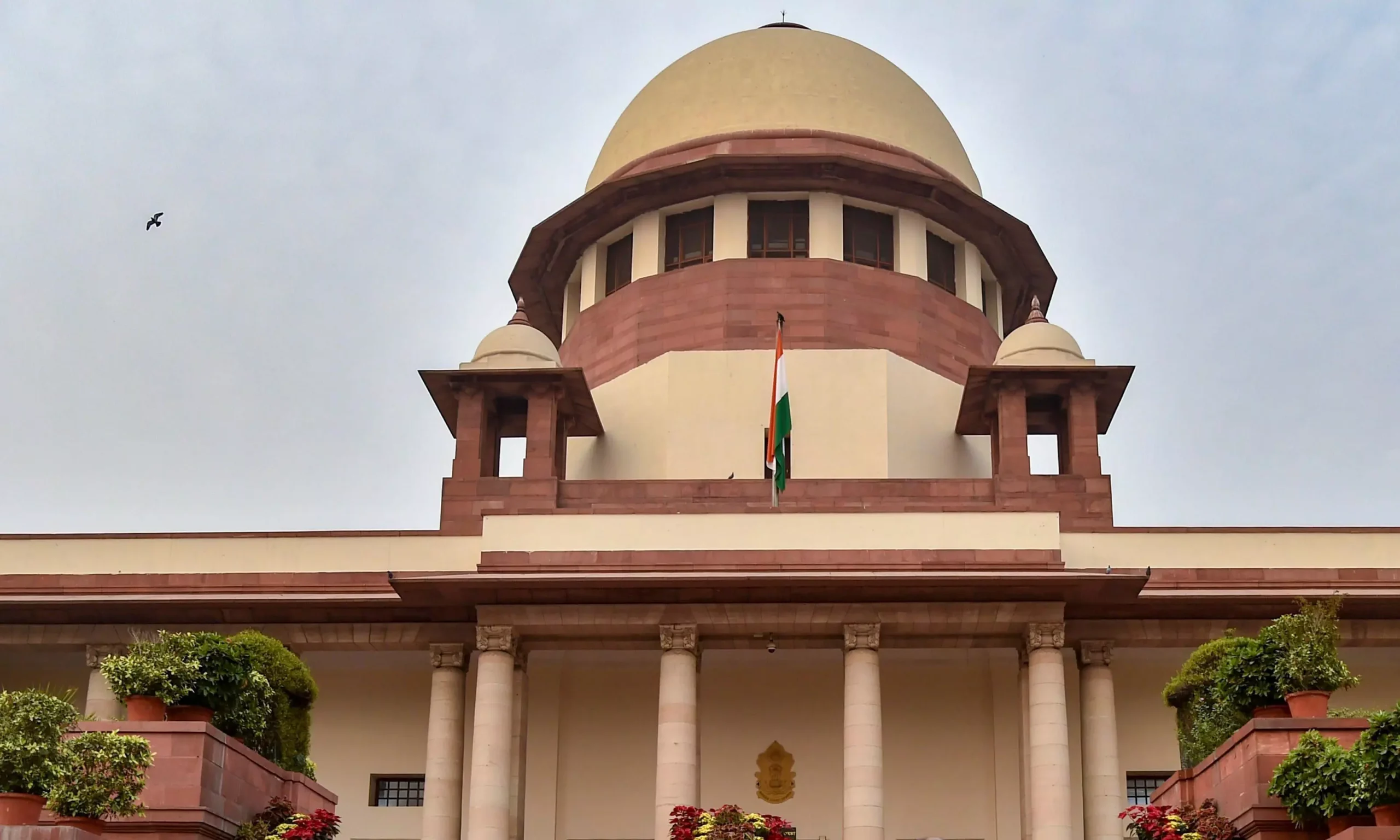
The Supreme Court of India in New Delhi. The court has granted petitioners 10 days to respond to the Election Commission’s affidavit on the Special Intensive Revision of electoral rolls.(File Photo)
Bench issues notice on fresh plea by Rajya Sabha MP Dola Sen alleging changes to Form 6 during Bihar’s electoral roll revision
Key Highlights
- The Supreme Court has granted petitioners 10 days to respond to the Election Commission’s affidavit on the Special Intensive Revision of electoral rolls.
- The Commission has told the court that its principal SIR orders were approved unanimously by all three members.
- A fresh plea by Rajya Sabha MP Dola Sen alleges that changes were made to Form 6 during the Bihar revision without the court’s approval.
- The Election Commission has maintained that the statutory form was not amended and that the SIR declaration is a separate document.
- The court has not delivered a final ruling on the issues raised.
New Delhi: The Supreme Court on Tuesday, October 27, granted petitioners 10 days to file a response to the Election Commission of India’s affidavit defending the Special Intensive Revision (SIR) of electoral rolls and the manner in which the poll panel’s decisions were taken.
A bench comprising Chief Justice of India Surya Kant and Justices Joymalya Bagchi and V. Mohana also issued notice to the Election Commission and other respondents on a fresh plea filed by Rajya Sabha MP Dola Sen. Her petition alleges that changes were made to Form 6 during the Bihar SIR without the Supreme Court’s approval.
While issuing notice, the Chief Justice said the issues raised would be examined and asked senior advocate Vikas Singh, appearing for petitioner Rakesh Kumar Singh, to file a rejoinder to the Commission’s reply affidavit within 10 days.
Election Commission defends SIR decisions
In its affidavit, the Election Commission maintained that its orders scheduling the revision of electoral rolls were issued following unanimous decisions by all three members of the Commission.
The poll panel also opposed allegations that Chief Election Commissioner Gyanesh Kumar had exercised the Commission’s collective powers without the approval of Election Commissioners Sukhbir Singh Sandhu and Vivek Joshi. It said the affidavit itself had been approved unanimously by the three members.
The Commission’s response followed petitions questioning its decision-making process and the legal basis of the electoral roll revision. Rakesh Kumar Singh’s petition has sought scrutiny of whether decisions attributed to the Commission were taken in accordance with the framework governing the multi-member body.
Dispute over Form 6
Form 6 is used by eligible citizens seeking inclusion in the electoral roll. The form has become a point of dispute over an additional declaration associated with the SIR process.
The Election Commission has told the Supreme Court that the statutory Form 6 was not amended through its SIR orders. It maintained that the SIR declaration was a separate document and that only the Central government could amend the prescribed form.
Petitioners have raised concerns about the declaration and the procedure followed in introducing it. The questions remain before the court, and the allegations have not been adjudicated.
What happens next?
The rejoinder will give the petitioners an opportunity to address the explanations provided in the Commission’s affidavit. The fresh notice on Dola Sen’s plea seeks responses to the allegations concerning Form 6 during the Bihar revision.
The proceedings concern both the electoral roll revision and the functioning of the constitutional body responsible for conducting elections. The Supreme Court is yet to decide the merits of the competing submissions.

YOU MAY LIKE THIS