Reg No. - CHHBIL/2010/41479ISSN - 2582-919X

Smart Meters Do Not Increase Electricity Consumption, Chhattisgarh Power Company Survey Finds
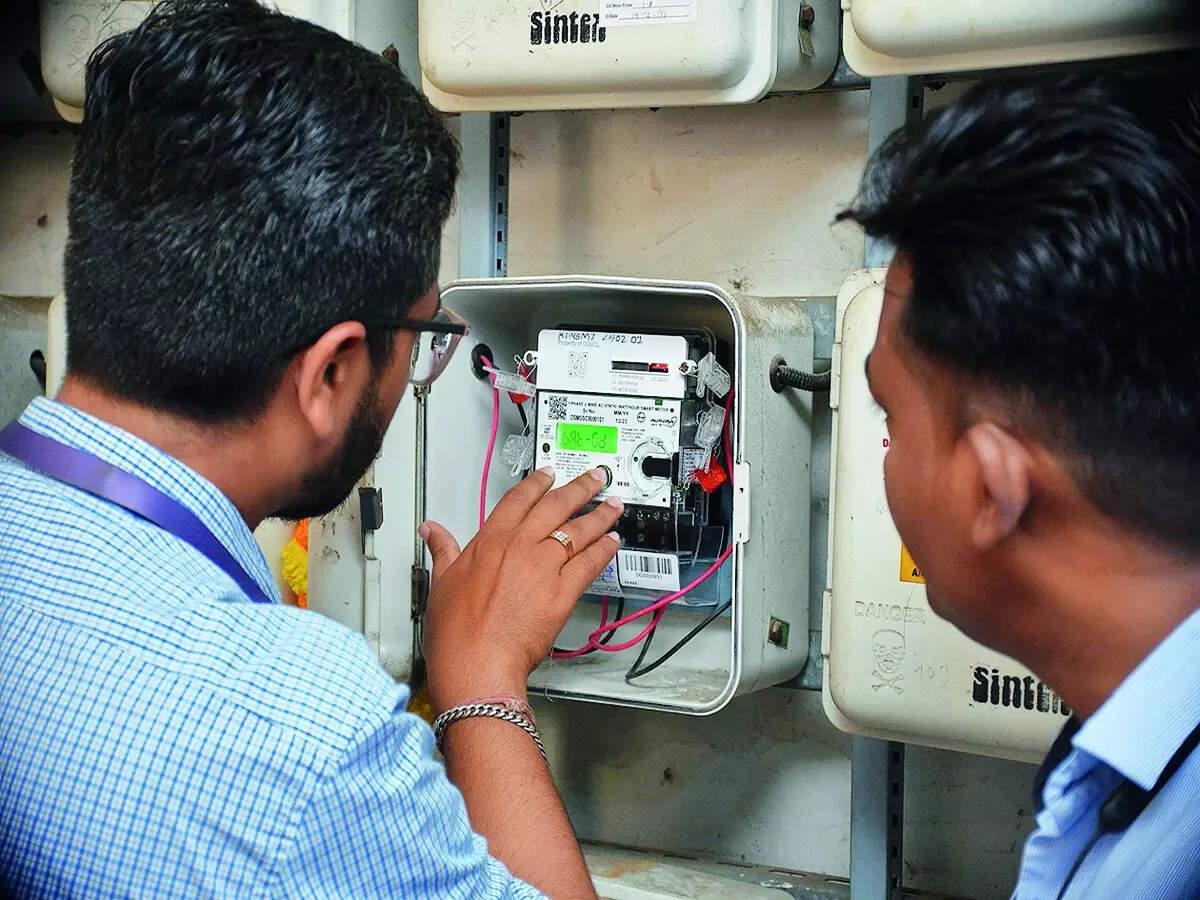
A technician inspects a smart electricity meter. CSPDCL has urged consumers not to believe misinformation, stating that electricity bills are determined by actual power consumption rather than the type of meter installed-Photo credit-primelookindia.com File Photo .
Comparative study across Raipur, Bilaspur and Durg records significant decline in power consumption during July; utility urges consumers not to believe misinformation
Raipur: Amid growing concerns and misinformation surrounding smart electricity meters, the Chhattisgarh State Power Distribution Company Limited (CSPDCL) has released the findings of a three-month comparative study, concluding that smart meters do not increase electricity consumption.
The survey, conducted among domestic consumers with smart meters in Raipur, Bilaspur and Durg, compared electricity usage during May, June and July 2026. According to the utility, the data revealed a substantial decline in electricity consumption during July, indicating that billing depends on actual electricity usage rather than the type of meter installed.
Raipur Records 28% Drop in Consumption
In Raipur, the study covered 311,374 domestic smart meter consumers. Electricity consumption between 1 and 26 June stood at approximately 108.5 million units, while consumption during the same period in July declined to about 77.7 million units, representing a 28 per cent reduction.
Among 121,135 consumers using more than 400 units of electricity per month, the company found an even sharper decline of nearly 44 per cent in electricity consumption during July.
Officials said the findings clearly indicate that consumption patterns are determined by consumer usage rather than smart meter technology.
Durg and Bilaspur Show Similar Trends
A similar analysis of 240 high-consumption smart meter users in Durg found that electricity consumption dropped from 175,451 units in May and 165,411 units in June to 76,257 units in July, reflecting a 53 per cent decrease.
In Bilaspur City Circle, the utility analysed 9,717 consumers with monthly consumption above 400 units. Average monthly consumption fell from 596 units in June to 312 units in July, a reduction of nearly 43 per cent.
Higher Summer Usage, Not Smart Meters, Behind Bigger Bills
The company explained that increased electricity bills during April, May and June were largely driven by higher use of air conditioners and other electrical appliances during peak summer, resulting in greater electricity consumption.
It also pointed out that consumers without smart meters experienced a similar rise in electricity usage during the summer months, reinforcing the conclusion that consumption patterns—not smart meters—determine electricity bills.
Billing Changes Announced
CSPDCL also announced a consumer-friendly change in billing. Charges related to “Supply Affording”, applicable when electricity demand consistently exceeds the sanctioned load for three consecutive months, will now be levied only once a year, through the December bill issued in January, instead of being added more frequently.
Consumers Can Monitor Daily Usage
The power utility encouraged consumers to monitor their electricity consumption through the Mor Bijli App, where smart meter users can track daily and half-hourly consumption in real time. Consumers with conventional meters can also view their monthly consumption through the application.
To address consumer concerns, the department has installed 4,500 check meters for verification. According to CSPDCL, all check meters have recorded consumption identical to the corresponding smart meters, confirming the accuracy of the system.
Consumers with billing-related queries have been advised to contact the 1912 toll-free helpline.
The company appealed to consumers not to rely on misleading information regarding smart meters, assuring that it will continue providing transparent and factual information to build public confidence.

YOU MAY LIKE THIS