Reg No. - CHHBIL/2010/41479ISSN - 2582-919X

India Cuts Visa Categories to Nine, Reduces Application Fields by Up to 70%
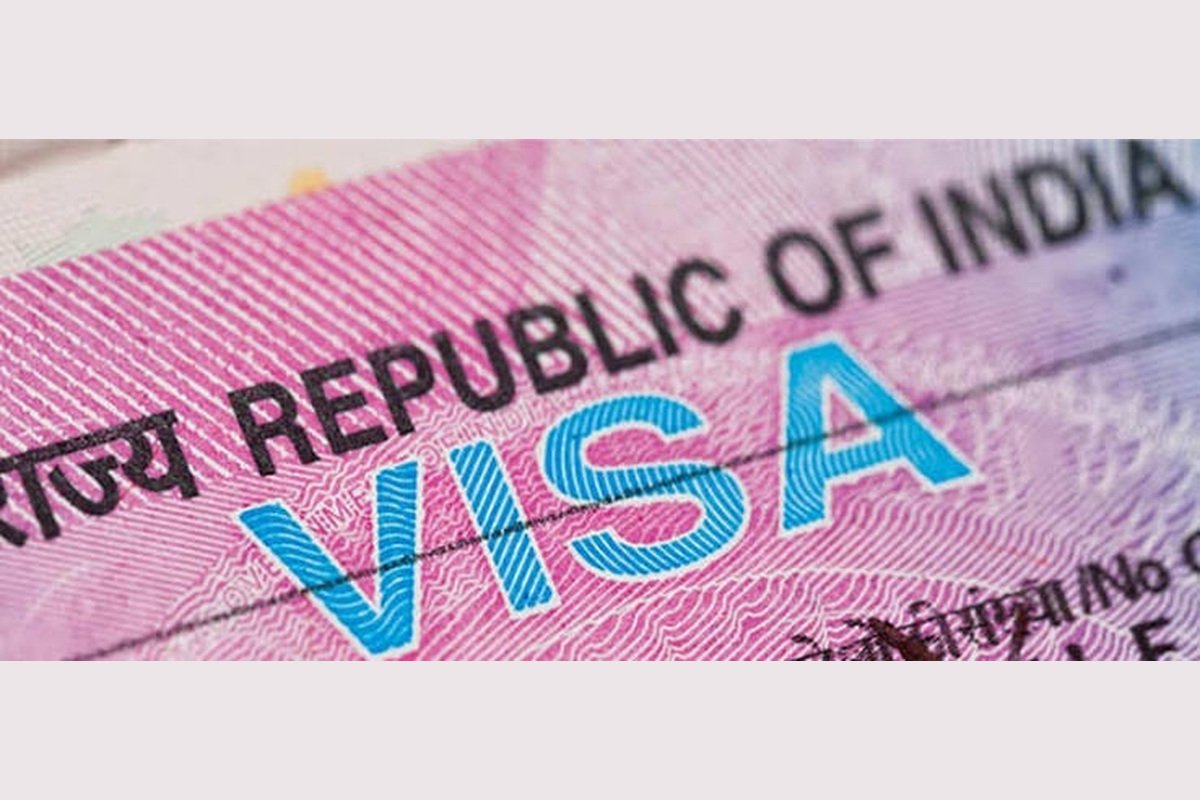
The amended provision applies to eligible members of six minority communities from Afghanistan, Bangladesh and Pakistan who sought shelter in India because of religious persecution or fear of persecution and entered on or before 31 December 2024. Those covered must obtain an appropriate visa to continue staying in India. (Representational image. Photo credit: Getty Images/iStockphoto.)
The Visitor Visa replaces the Tourist Visa and offers two options for different kinds of visits. A separate immigration order requires eligible members of six minority communities from three neighbouring countries to obtain a visa to remain in India.
Key Highlights
- Main visa categories have been reduced from 13 to nine, and subcategories from 49 to 23.
- Application forms across the 23 subcategories will have 65% to 70% fewer fields.
- The Visitor Visa has two options, V-1 and V-2. A dedicated business visa provision covers foreign specialists engaged by Indian companies.
- A separate order requires eligible members of six minority communities from Afghanistan, Bangladesh and Pakistan who sought shelter in India by 31 December 2024 to obtain an appropriate visa for their continued stay.
New Delhi: India has reduced the number of main visa categories from 13 to nine and cut the number of fields applicants must complete by up to 70%, the Ministry of Home Affairs said on Wednesday, 11 November 2026. The overhaul also replaces the Tourist Visa with a broader Visitor Visa and makes specific provision for foreign engineers, technical personnel and other specialists engaged by Indian companies.
The ministry said the latest consolidation was made on 27 August 2026, when visa subcategories were reduced from 49 to 23. It followed an October 2025 revision that brought the number of main categories down from 22 to 13 and the number of subcategories from 63 to 49. The ministry said grouping similar purposes of travel would make it easier for applicants to identify the right visa.
Visitor Visa offers two options
The V-1 Visitor Visa allows multiple entries over a 30-day period. In addition to tourism, it covers eligible short visits for business meetings, medical consultations, brief medical treatment, wellness retreats and short courses in subjects such as Indian languages, music, arts and crafts.
The V-2 Visitor Visa can be issued with a validity of one, five or ten years, as applicable. It covers activities permitted under V-1 and includes a provision for mountaineering, for which a six-month multiple-entry visa will be available.
Dedicated business visa for foreign specialists
The Production Investment Business Visa covers foreign subject-matter experts, engineers and technical personnel engaged by Indian companies. Assignments can include installing and commissioning equipment, checking quality, carrying out essential maintenance, training staff and providing production or IT support. It also covers work on supply chains, plant design and start-up, senior management and the transfer of technical expertise.
The revised framework retains separate Medical Visa routes for conventional and AYUSH treatment, with corresponding categories for attendants. Student visas are grouped into two broad routes covering school and degree-level education, and research and other specified academic activities.
Separate order requires a visa for continued stay
The Ministry of Home Affairs also amended the Immigration and Foreigners (Exemption) Order, 2025. The amendment was dated 4 November 2026 and came into force on 5 November, when it was published in the Official Gazette. It covers eligible Hindus, Sikhs, Buddhists, Jains, Parsis and Christians from Afghanistan, Bangladesh and Pakistan who entered India on or before 31 December 2024 after fleeing religious persecution or the fear of it. The provision applies to people who arrived without valid travel documents or whose documents have since expired.
People covered by the provision “shall be required to obtain an appropriate category of visa after their entry into India for their continued stay in India”, the order states. The 31 December 2024 cut-off applies to this immigration exemption. Citizenship under the Citizenship (Amendment) Act, 2019, has a separate cut-off of 31 December 2014.
The amendment formally defines the Visa Manual as the Central government’s instructions on visas, immigration and related matters. Indian citizens travelling to Nepal or Bhutan and Nepali and Bhutanese citizens entering or leaving India must produce the identity documents specified in the manual. Indian citizens travelling onwards to a third country via Nepal or Bhutan must carry a valid passport and use a designated immigration checkpoint. Passport and visa requirements also apply to Nepali and Bhutanese citizens in specified third-country travel and transit situations.
The order revises exemptions for several other groups, including eligible Tibetan entrants and registered Sri Lankan Tamil refugees. It also provides conditional relief from the passport requirement for certain long-term residents who cannot renew their foreign passports. People covered by those long-term residence provisions must still obtain an appropriate visa to remain in India