Reg No. - CHHBIL/2010/41479ISSN - 2582-919X

Keeping Promises Strengthens Democracy-By-Kumar Bahukhandi (Editoral)
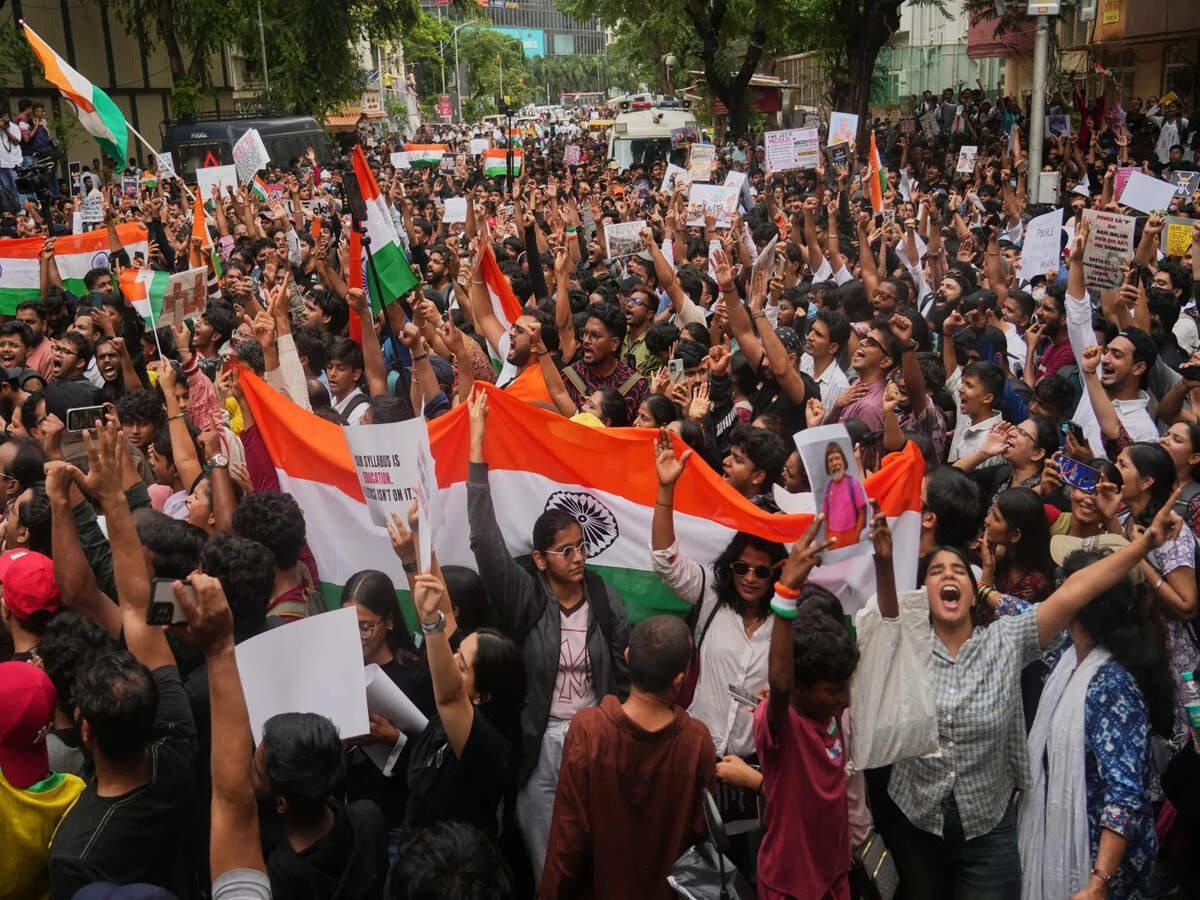
Students gather at New Delhi’s Jantar Mantar during the CJP-led agitation. The reported withdrawal of cases against student protesters by some state governments is being viewed as a positive step towards implementing the understanding reached through dialogue and reinforcing democratic trust-Photo Credit-primelookindia.com
Withdrawal of Cases Against Student Protesters Reflects the Value of Dialogue Over Confrontation
The reported decision by state governments such as Bihar and Assam to withdraw cases registered against students who participated in the Cockroach Janata Party (CJP) agitation at Delhi’s Jantar Mantar sends a constructive message in democratic governance. If these actions are indeed being taken in line with the understanding reached between the Union Government and CJP representatives, they demonstrate that dialogue, when pursued sincerely, can produce meaningful outcomes.
Democracy thrives not merely on elections but on trust. Governments are often judged by whether commitments made during negotiations translate into action. When assurances given across the negotiating table are honoured through administrative decisions, public confidence in democratic institutions is strengthened.
The Jantar Mantar movement witnessed weeks of demonstrations, public debate and, at times, confrontation. Regardless of differing political opinions about the protest itself, students formed a significant part of the movement. Young people who participate in public discourse should not automatically carry the burden of prolonged legal uncertainty if a negotiated settlement provides an opportunity for reconciliation.
The reported withdrawal of cases should therefore be viewed not simply as an administrative measure but as a confidence-building exercise. It signals that governments are willing to distinguish between peaceful democratic participation and genuine criminal conduct. Such an approach helps reduce tensions while preserving respect for the rule of law.
The agreement reached between the Union Government and CJP also illustrates an important democratic principle: difficult issues are better resolved through dialogue than prolonged confrontation. Negotiations demand patience and compromise from all sides, but successful dialogue often produces outcomes that neither conflict nor coercion can achieve.
At the same time, accountability remains important. Any withdrawal of cases should follow due legal procedures and should apply only where appropriate under the law. Upholding justice and maintaining public order are equally essential responsibilities of the State.
For students across the country, the episode carries another lesson. Democratic participation is a constitutional right, but it is most effective when exercised peacefully, responsibly and within the framework of law. Governments, on their part, must continue creating space for constructive engagement rather than allowing disagreements to escalate unnecessarily.
If the withdrawal of cases becomes part of a broader effort to rebuild trust between the authorities and young citizens, it could mark an important step toward restoring normalcy after a prolonged period of tension. More importantly, it would reinforce the principle that governments honouring their commitments enhances the credibility of democratic governance.
Constructive dialogue, mutual respect and faithful implementation of agreements remain the strongest foundations of a healthy democracy.

YOU MAY LIKE THIS