Reg No. - CHHBIL/2010/41479ISSN - 2582-919X

“Goodbye, Teejan Bai” : The Voice That Echoed Through the Mahabharata Falls Silent-By-Kumar Bahukhandi

Padma Vibhushan Dr. Teejan Bai during a Pandavani performance—her powerful voice and commanding stage presence carried the timeless tales of the Mahabharata from the villages of Chhattisgarh to audiences across the world.-Photo Credi-channel24india.com
India bids farewell to the legendary Pandavani exponent who transformed a folk tradition of Chhattisgarh into a global cultural legacy, leaving behind a voice that will resonate for generations.
The passing of Padma Vibhushan Dr. Teejan Bai marks the end of one of the most remarkable chapters in India’s cultural history. Revered as the face of Pandavani, the traditional storytelling art of Chhattisgarh based on the Mahabharata, she passed away in Raipur at the age of 70 after a prolonged illness, leaving the nation in mourning.
For millions, Teejan Bai was not merely a folk artist. She was a phenomenon who redefined an ancient oral tradition through unmatched passion, dramatic expression, and an unforgettable voice. With nothing more than a tambura in her hand, she could transform a stage into Kurukshetra, bringing to life Bhima’s strength, Arjuna’s resolve, Draupadi’s anguish, and Krishna’s wisdom.
Born in Ganiyari village of present-day Chhattisgarh in 1956, Teejan Bai’s journey was one of extraordinary courage. Married at the age of twelve and discouraged from pursuing performance because she was a woman, she refused to surrender her dream. At just thirteen, she delivered her first public Pandavani recital, challenging traditions that had long confined women to the margins of the art form.
Her rise from a village performer to an internationally celebrated cultural ambassador remains one of India’s greatest artistic success stories. She took Pandavani beyond state borders to prestigious stages across Europe, Asia, and the Americas, introducing global audiences to the richness of Chhattisgarh’s folk heritage. Her performances proved that local traditions possess universal appeal when presented with authenticity and conviction.
Recognition followed naturally. She received the Padma Shri, Padma Bhushan, and eventually the Padma Vibhushan, India’s second-highest civilian honour, along with several national and international accolades. Yet despite worldwide acclaim, Teejan Bai always remained deeply connected to her roots, proudly carrying the identity of Chhattisgarh wherever she performed.
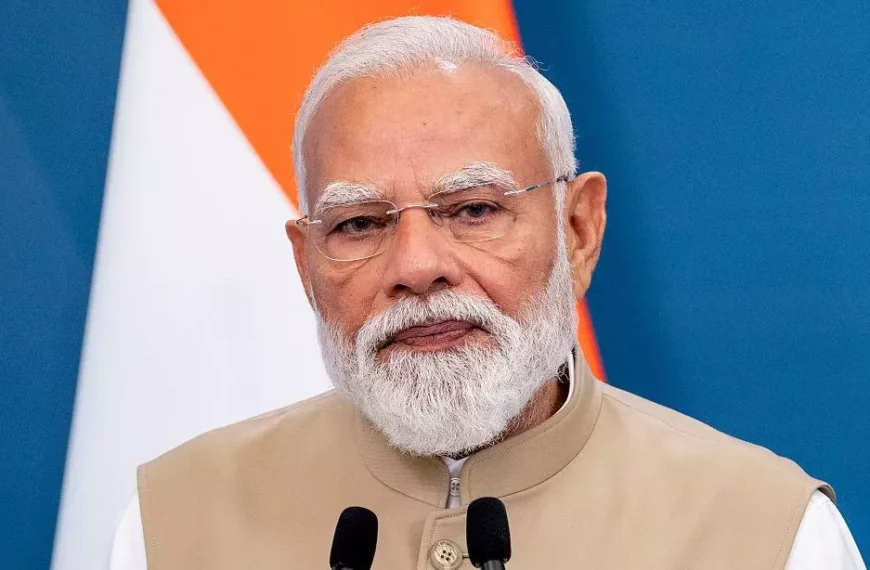
Prime Minister Narendra Modi described her death as an “irreplaceable loss to the world of art and culture,” while leaders, artists, and admirers across the country paid tribute to a woman who dedicated her life to preserving India’s intangible cultural heritage.
Teejan Bai’s greatest achievement was not merely winning awards—it was ensuring that Pandavani would never fade into obscurity. Through her powerful performances, she inspired generations of young artists, particularly women, to embrace a tradition that had once excluded them. She transformed folk art into a living, evolving legacy.
Her voice may now be silent, but every future Pandavani performance will carry a trace of her influence. Every artist who steps onto the stage with a tambura in hand will inherit a path she carved with determination, resilience, and unmatched artistry.
Teejan Bai did not simply narrate the Mahabharata. She became part of India’s own enduring epic.
Farewell, Teejan Bai. The curtain has fallen on a legendary performer, but the echoes of your voice will continue to inspire generations, ensuring that the soul of Pandavani lives on forever.