Reg No. - CHHBIL/2010/41479ISSN - 2582-919X

Beyond Treatment: Chhattisgarh’s Sothi Ashram Shows How Dignity and Self-Reliance Can Transform Lives
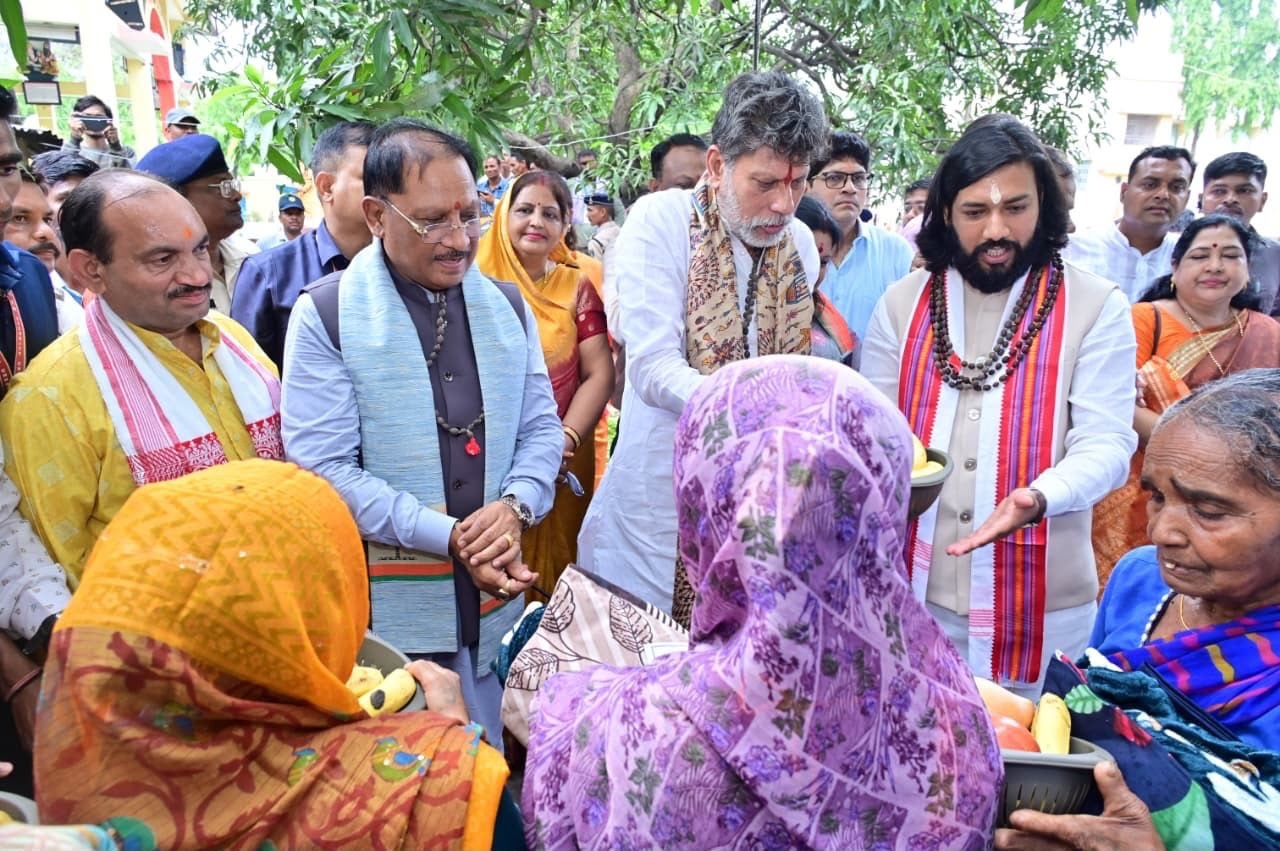
Chief Minister Vishnu Deo Sai interacts with residents during his visit to Sothi Ashram in Janjgir-Champa, applauding the institution’s unique model of healthcare, rehabilitation, and skill development that empowers people affected by leprosy to lead dignified and self-reliant lives – Photo Credit-channel24india.com via CG//PR
Chief Minister Vishnu Deo Sai visits Sothi Ashram in Janjgir-Champa, praises its unique rehabilitation model that combines healthcare, skill development, and social inclusion for people affected by leprosy.
Raipur/Janjgir-Champa: While India has made remarkable progress in reducing the number of leprosy cases, the stigma associated with the disease continues to isolate thousands of people long after they have been cured. Social discrimination, exclusion, and the struggle to rebuild a dignified life remain major challenges for many former patients.
Against this backdrop, Sothi Ashram in Katrenagar, Janjgir-Champa district of Chhattisgarh has emerged as a remarkable example of compassionate healthcare and sustainable rehabilitation. More than just a treatment centre, the institution has developed a holistic model that empowers leprosy-affected individuals through medical care, vocational training, education, and opportunities for self-reliance.
Established on April 5, 1962, by noted social worker Late Sadashiv Govind Katre, himself a person affected by leprosy, the ashram was founded with the vision of restoring dignity to those rejected by society. Over six decades later, it has evolved into a centre of hope where rehabilitation is built not on charity, but on empowerment and inclusion.
The institution operates a 20-bed hospital, providing free treatment, medicines, wound care, food, clothing, and accommodation for leprosy patients and other underprivileged individuals. Diagnostic facilities, including laboratory services and X-ray examinations, are available on the campus, while patients requiring advanced medical care are referred to specialized hospitals. At present, around 75 residents are living at the ashram, supported by nearly 120 staff members and volunteers.
What sets Sothi Ashram apart is its emphasis on economic independence. Residents are trained in agriculture, horticulture, tailoring, chalk making, carpet weaving, rope making, welding, computer skills, and driving. These vocational programmes enable former patients to rebuild their confidence, earn a livelihood, and reintegrate into society. The institution also supports the education of children from affected families, ensuring that the next generation has access to better opportunities.
The ashram regularly organises free medical and eye-care camps for nearby communities. Over the years, it has facilitated more than 10,000 cataract surgeries, significantly improving the quality of life for thousands of people. During a health camp organised on Wednesday, over 300 individuals underwent medical check-ups, while awareness sessions on serious illnesses, including cancer, were also conducted.
Chief Minister Vishnu Deo Sai visited the ashram on Wednesday July 2 to review its healthcare facilities, rehabilitation initiatives, and community welfare programmes. Interacting with patients and staff, he described the institution as “a true pilgrimage of humanity, compassion, and selfless service.”
The Chief Minister observed that leprosy is not merely a medical condition but has historically subjected patients to social prejudice and discrimination. He stressed that providing such individuals with dignity, security, and opportunities to live independently is a collective responsibility of society.
During his visit, he also inspected the Sant Guru Ghasidas Hospital located within the ashram campus and appreciated the institution’s efforts to restore confidence and self-respect among those it serves.
Sothi Ashram stands today as more than a local charitable institution. It represents a powerful model of inclusive development where healthcare, social justice, and economic empowerment work together. At a time when development is often measured through infrastructure and investment, the ashram demonstrates that a society’s true progress lies in how it cares for its most vulnerable citizens.

YOU MAY LIKE THIS