Reg No. - CHHBIL/2010/41479ISSN - 2582-919X

Iran Rejects US Response as Inadequate, Sets Conditions for Reopening Strait of Hormuz
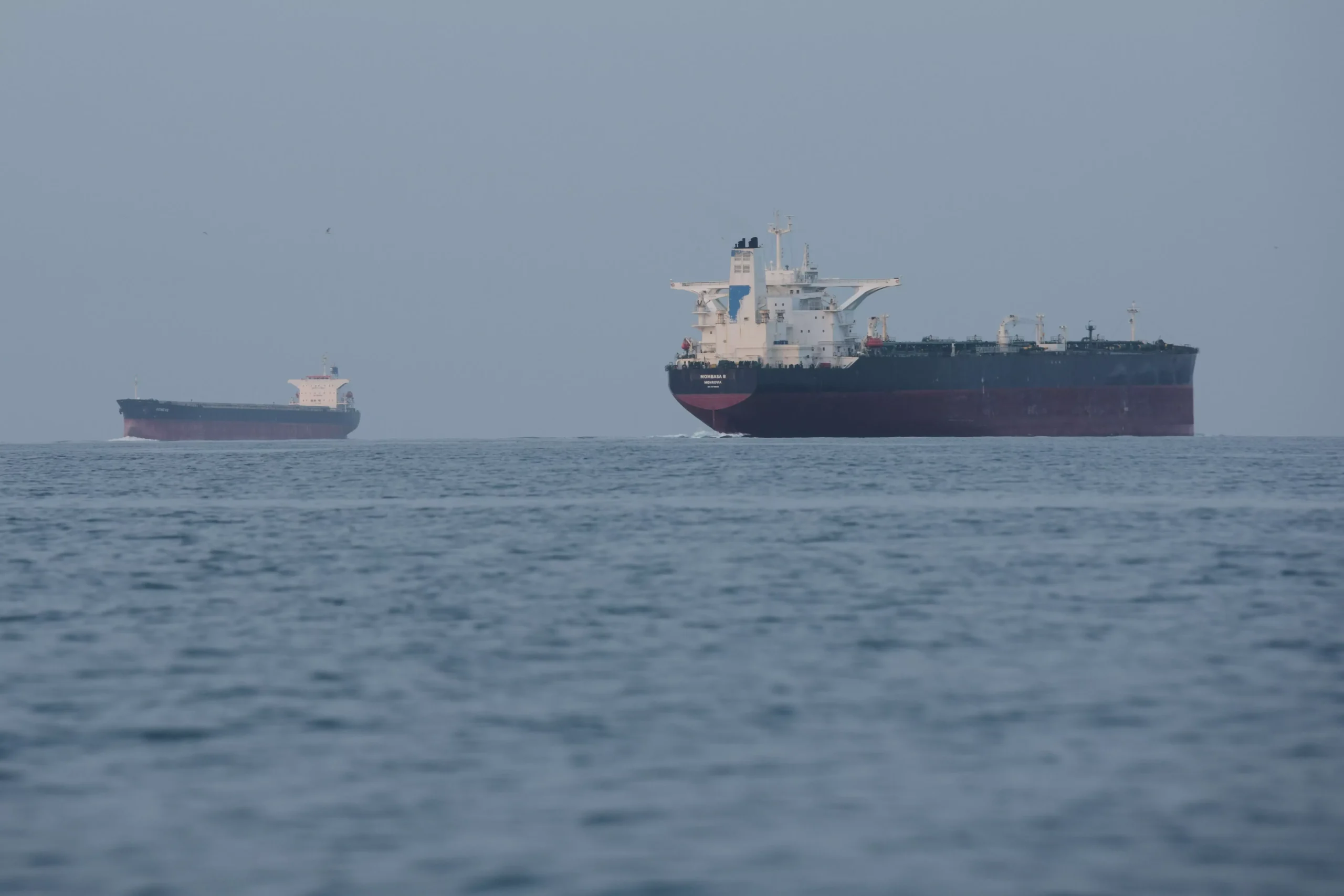
Oil tankers and commercial vessels navigate waters in the Strait of Hormuz, a strategically important passage for global energy shipments. Iran says the United States has yet to satisfy all seven conditions for reopening the waterway and resuming negotiations.
Tehran says Washington has accepted some of its seven demands but insists that the strategic shipping route will remain closed until outstanding conditions are met; Trump warns of possible Iranian moves ahead of US midterm elections
Key Highlights
- Iran’s Supreme National Security Council Secretary Mohsen Rezaei says Washington has accepted some of Tehran’s seven conditions.
- Rezaei describes the US response as inadequate and rules out a return to previous arrangements.
- Iran links reopening the Strait of Hormuz and resuming negotiations to its outstanding demands.
- Tehran reportedly seeks an end to the US naval blockade and restrictions on Iranian oil sales.
- President Donald Trump suggests Iran may intensify its actions ahead of the November 3 US midterm elections.
- Trump’s claim that 159 Iranian ships have been sunk remains an assertion requiring independent confirmation.
Tehran Says Washington Has Accepted Some Demands but Failed to Resolve Key Differences
Tehran: Iran has described the United States’ response to its seven conditions for reopening the Strait of Hormuz as inadequate, despite claiming that Washington has accepted some of its demands. Mohsen Rezaei, Secretary of Iran’s Supreme National Security Council, said Tehran would not resume negotiations or restore unrestricted passage for US-linked shipping until outstanding issues were resolved. The latest disagreement has prolonged uncertainty over one of the world’s most important energy corridors, with Qatar continuing to act as an intermediary between the two countries.
Rezaei Rules Out Return to Previous Arrangements
In a statement posted on X on Sunday, October 11, Rezaei indicated that Iran was unwilling to accept a partial agreement that left major concerns unresolved.
“The U.S. has agreed to some of Iran’s seven conditions, but we consider its response INADEQUATE,” Rezaei declared.
He further stated that Iranian diplomacy had changed and that there would be no return to the previous arrangement between Tehran and Washington.
According to Iranian officials, the American response acknowledged some demands but failed to clarify others. Rezaei did not publicly identify which conditions Washington had accepted.
The distinction is important because Iran’s statement represents its assessment of the American position rather than confirmation by Washington that an agreement has been reached.
Seven Conditions Remain Central to Diplomatic Standoff
Iran has linked the reopening of the strategic waterway to a broader set of conditions intended to address the ongoing confrontation with the United States.
The proposal was presented during the United Nations General Assembly, with Tehran offering to restore normal maritime passage within seven days if the conditions were fulfilled.
Iranian Parliament Speaker Mohammad Bagher Ghalibaf reiterated earlier this month that the waterway would remain restricted until Washington satisfied the seven conditions associated with the June memorandum of understanding.
The demands reportedly include ending the American naval blockade and removing restrictions affecting Iranian oil sales.
However, the complete terms of the proposal and the points on which the two governments disagree have not been publicly established in sufficient detail to confirm the prospects of an agreement.
Qatar Continues Mediation Between Tehran and Washington
Diplomatic exchanges have continued through Qatari intermediaries despite the absence of direct negotiations.
Qatar has been conveying proposals and responses between the two governments as regional efforts continue to prevent further military escalation.
The American response was communicated through these indirect channels, but Iran has maintained that important issues remain unresolved.
Reports citing an official familiar with the discussions suggest that disagreements over the sequence of implementing proposed measures may be a major obstacle.
Neither government has announced a comprehensive agreement to reopen the strait or end the conflict.
Strait of Hormuz Remains Critical to Global Energy Security
The Strait of Hormuz connects the Persian Gulf with the Gulf of Oman and the Arabian Sea, making it a crucial maritime passage for international energy supplies.
Before the conflict began in late February, approximately one-fifth of the world’s oil and liquefied natural gas supplies passed through the waterway.
Disruptions have increased uncertainty for shipping companies, energy producers and importing countries.
For India and other major energy-importing economies, prolonged instability in the region carries risks involving crude oil supplies, freight costs, insurance premiums and the wider cost of imported energy.
The continued diplomatic deadlock therefore extends beyond relations between Tehran and Washington, affecting international trade and energy security.
Trump Warns of Iranian Actions Ahead of US Elections
Meanwhile, US President Donald Trump has suggested that Iran may intensify its activities before the November 3 midterm elections.
Speaking at a political gathering in Tennessee on Saturday, Trump said he believed Tehran might calculate that additional pressure could damage his administration politically.
“They’ll probably do a little bit extra before the election, thinking it’s going to hurt us,” Trump said.
He also asserted that Washington could bring the conflict to an end quickly.
Trump has maintained that American military pressure has substantially weakened Iran’s naval capabilities. His reported claim that 159 Iranian ships had been sunk since late February has not been independently verified in the material reviewed for this report.
Iran Warns Against Renewed Military Action
Iranian Foreign Minister Abbas Araghchi has separately warned that Tehran remains prepared to respond if the United States abandons diplomacy and resumes military operations.
Iranian officials have insisted that the country will not accept negotiations conducted under military pressure.
The latest statements reflect a continuing confrontation in which both sides have expressed a willingness to negotiate while maintaining their respective security and political demands.
Tehran has also resisted suggestions that negotiations over its nuclear programme are necessarily part of the present discussions on restoring maritime access.
No Breakthrough on Reopening the Waterway
The immediate diplomatic obstacle remains the absence of an agreed framework acceptable to both governments.
Iran says some of its conditions have been accepted but considers Washington’s overall response insufficient. The United States has not publicly confirmed the details of the concessions claimed by Tehran.
With indirect diplomatic contacts continuing and the Strait of Hormuz remaining subject to restrictions and security threats, the timing of any wider reopening remains uncertain.

YOU MAY LIKE THIS