Reg No. - CHHBIL/2010/41479ISSN - 2582-919X

CJP Vows to Continue Nationwide Protests Against CEC Gyanesh Kumar Despite Detentions
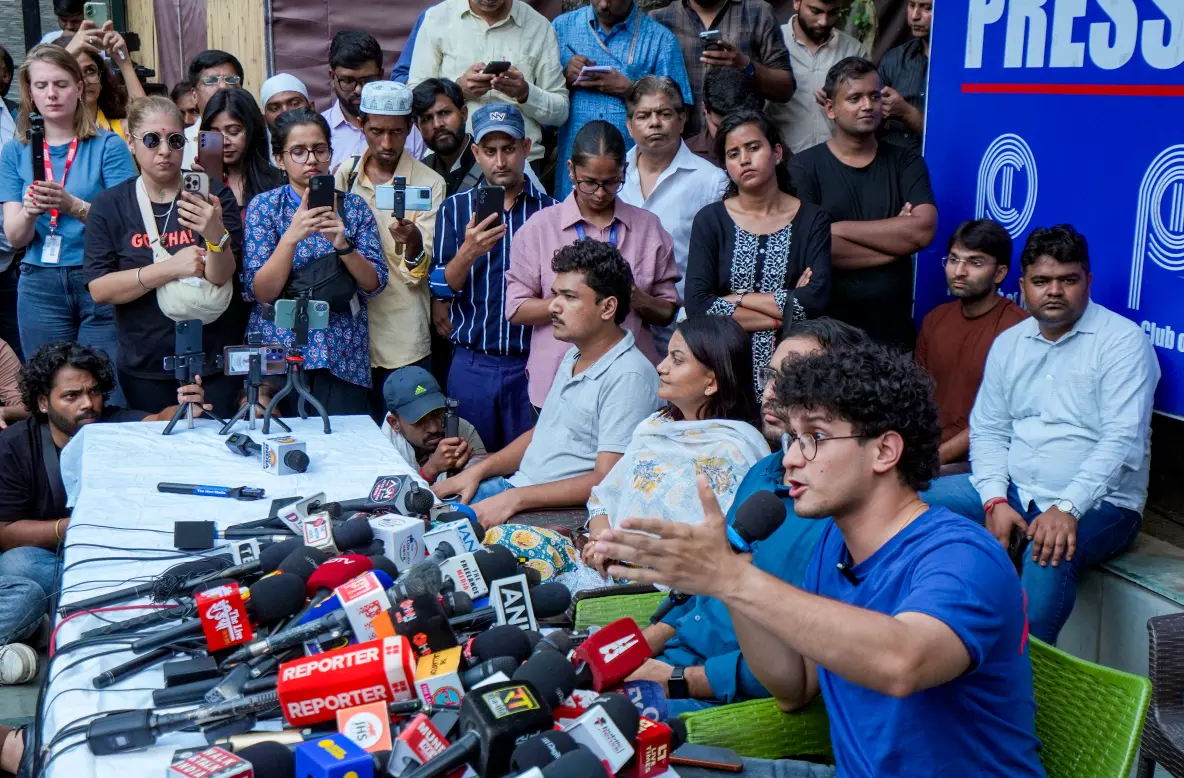
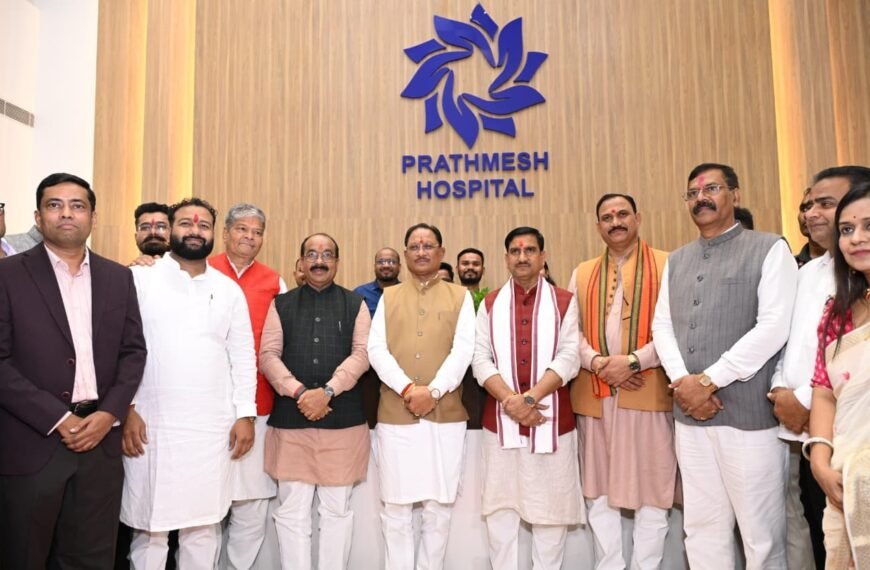
Cockroach Janta Party leaders address journalists during a press conference at the Press Club of India in New Delhi on Sunday, October 11, 2026, following their release from preventive detention. The leaders accused the government of restricting peaceful demonstrations and vowed to continue protests demanding Chief Election Commissioner Gyanesh Kumar’s resignation over alleged irregularities in electoral roll revisions. Image Source: PTI
Party leaders, including Saurav Das, accuse the Modi government of restricting peaceful demonstrations and question the detention of activists; controversy intensifies over electoral accountability and the right to protest
Key Highlights
- CJP leaders reaffirm their intention to continue protests against Chief Election Commissioner Gyanesh Kumar.
- Saurav Das and other activists accuse the government of restricting demonstrations.
- The party alleges that activists were detained unlawfully during protest-related police action.
- The dispute raises questions about the right to peaceful assembly and the limits of police restrictions.
- The allegations against the government and election authorities remain contested and require independent verification.
CJP Leaders Reaffirm Nationwide Agitation After Release from Detention
New Delhi: Leaders of the Cockroach Janta Party (CJP) on Sunday, October 11, 2026, vowed to continue demonstrations demanding the resignation of Chief Election Commissioner Gyanesh Kumar, accusing the Narendra Modi government of restricting peaceful protests and using preventive detentions to discourage public dissent. Addressing a press conference at the Press Club of India after their release from custody, CJP leaders Saurav Das and Ashutosh Ranka said the agitation against the Special Intensive Revision (SIR) of electoral rolls would extend beyond Delhi and continue until the Election Commission was held accountable for alleged irregularities.
Leaders Released Following Court Proceedings
CJP founder Abhijeet Dipke, along with Saurav Das and Ashutosh Ranka, was detained by Delhi Police on Saturday after arriving at Indira Gandhi International Airport.
The leaders had travelled to the national capital to participate in demonstrations against the Chief Election Commissioner.
On Sunday, a Special Executive Magistrate ordered their release after proceedings relating to preventive detention.
According to Delhi Police, the three leaders furnished surety bonds of ₹50,000 each, undertaking to maintain peace and good behaviour for one year.
The CJP maintained that the detention was unjustified, while police defended their actions as lawful preventive measures.
‘Protests Will Happen Across the Country,’ Says Saurav Das
Addressing journalists following his release, Das rejected suggestions that the police action would weaken the movement.
“Protests will happen, not just in Delhi but the whole country till we get accountability,” he said.
Das appealed to political parties across ideological divisions to come together over concerns surrounding the electoral roll revision exercise.
“Irrespective of ideology, all political parties should unite on the issue of SIR. If the right to vote is taken away, it’s not good for any party,” he said.
CJP leaders argued that the right to vote was fundamental to democratic participation and that allegations concerning electoral roll revisions required transparent examination.
CJP Accuses Government of Creating an ‘Emergency-Like Situation’
Das accused the government of imposing excessive restrictions on demonstrations in the national capital.
The CJP alleged that police detentions, restrictions on movement and disruptions to public transport had prevented protesters from assembling peacefully.
The leaders also alleged that mobile phones had been seized without proper documentation and that access to legal assistance had been obstructed.
“They had illegally detained us. They have said there should be no breach of peace for one year. The breach of peace has been caused by Narendra Modi, Amit Shah and Gyanesh Kumar,” Das alleged.
These accusations were made by CJP representatives and have not been established as findings of unlawful conduct by a court.
Electoral Roll Revision at Centre of Protest
The demonstrations are linked to the Election Commission’s Special Intensive Revision of electoral rolls.
CJP leaders and opposition parties allege that the exercise has resulted in the exclusion of large numbers of eligible voters, raising concerns about electoral participation and fairness.
They have demanded Gyanesh Kumar’s resignation and greater transparency over the revision process.
The Election Commission and the BJP have rejected allegations of deliberate voter disenfranchisement, maintaining that electoral roll corrections are intended to address entries involving deceased persons, relocated voters and records that cannot be verified.
The competing claims have made electoral roll management a major political controversy.
Thousands Detained During Delhi Demonstrations
Large numbers of protesters were detained on Saturday as police restricted access to Jantar Mantar and other locations.
Reports citing police information indicated that approximately 7,000 people were detained at different locations during Saturday’s demonstrations, although figures reported by various sources differed.
Further detentions were reported on Sunday as groups of demonstrators attempted to assemble.
Student organisations and civil society groups also participated in the protests.
Police registered multiple FIRs in connection with alleged obstruction of public servants and assaults on personnel during the demonstrations.
The authorities maintained that their measures were intended to preserve law and order, while protesters accused them of imposing disproportionate restrictions.
Supreme Court Intervenes on Peaceful Assembly and Public Services
The controversy also reached the Supreme Court, which considered concerns over the treatment of demonstrators and restrictions affecting public services.
During a special sitting on Sunday, the court directed authorities to ensure that people assembling peacefully were not illegally detained.
It also called for normal operation of Delhi Metro services and the avoidance of unnecessary internet disruptions, subject to lawful security requirements.
The court further emphasised that lawyers, journalists and other professionals should not be prevented from performing their duties.
The directions placed additional scrutiny on the handling of demonstrations while recognising the authorities’ responsibility to maintain public order.
Opposition and Student Groups Prepare Further Mobilisation
The protests have attracted participation from student organisations, political activists and opposition representatives.
The INDIA bloc was preparing another mobilisation over alleged irregularities in the electoral roll revision exercise.
Student organisations, including the Students’ Federation of India and the All India Students’ Association, also expressed their intention to continue demonstrations.
CJP leaders said their campaign would not remain confined to Delhi and that they would seek broader participation across the country.
Political Confrontation Over Electoral Accountability Continues
The confrontation has brought renewed attention to the relationship between electoral administration, political accountability and the constitutional right to peaceful assembly.
CJP leaders maintain that their campaign concerns the protection of voting rights and that preventive detention should not be used to silence dissent.
The government and police authorities, meanwhile, have defended lawful security measures and rejected allegations of politically motivated electoral manipulation.
With the CJP announcing further demonstrations and opposition parties preparing additional protests, the dispute over the electoral roll revision and the Chief Election Commissioner’s position remains unresolved.

YOU MAY LIKE THIS