Reg No. - CHHBIL/2010/41479ISSN - 2582-919X

Tetra Pak Convenes Industry Leaders and Policymakers to Advance Dialogue on Strengthening India's Food Security
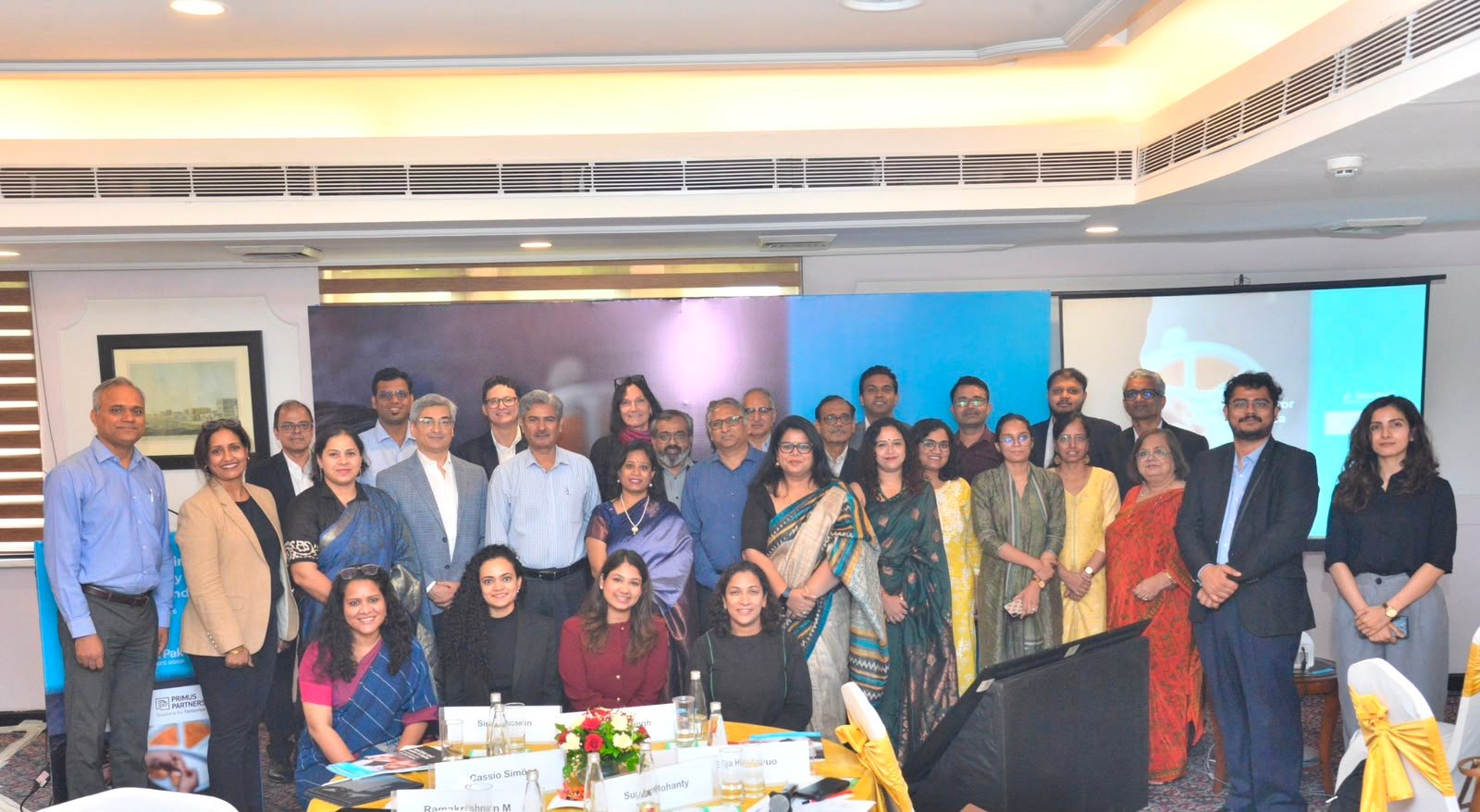
Tetra Pak, a world-leading food processing and packaging solutions company, successfully convened a leadership workshop on ‘Strengthening Food Security for a Growing India’ in collaboration with the International Council for Circular Economy (ICCE) and Primus Partners in Delhi, India. The event brought together policymakers, industry leaders, academia, research institutions, multilateral organizations, and development partners to deliberate on strengthening India’s food systems through greater collaboration, innovation, and sustainable solutions. Leading organizations including NIFTEM, ICAR, TERI, UNIDO, Nestlé, PepsiCo, BASF, IFPRI, and Good Food Institute (GFI), among others, attended the workshop.
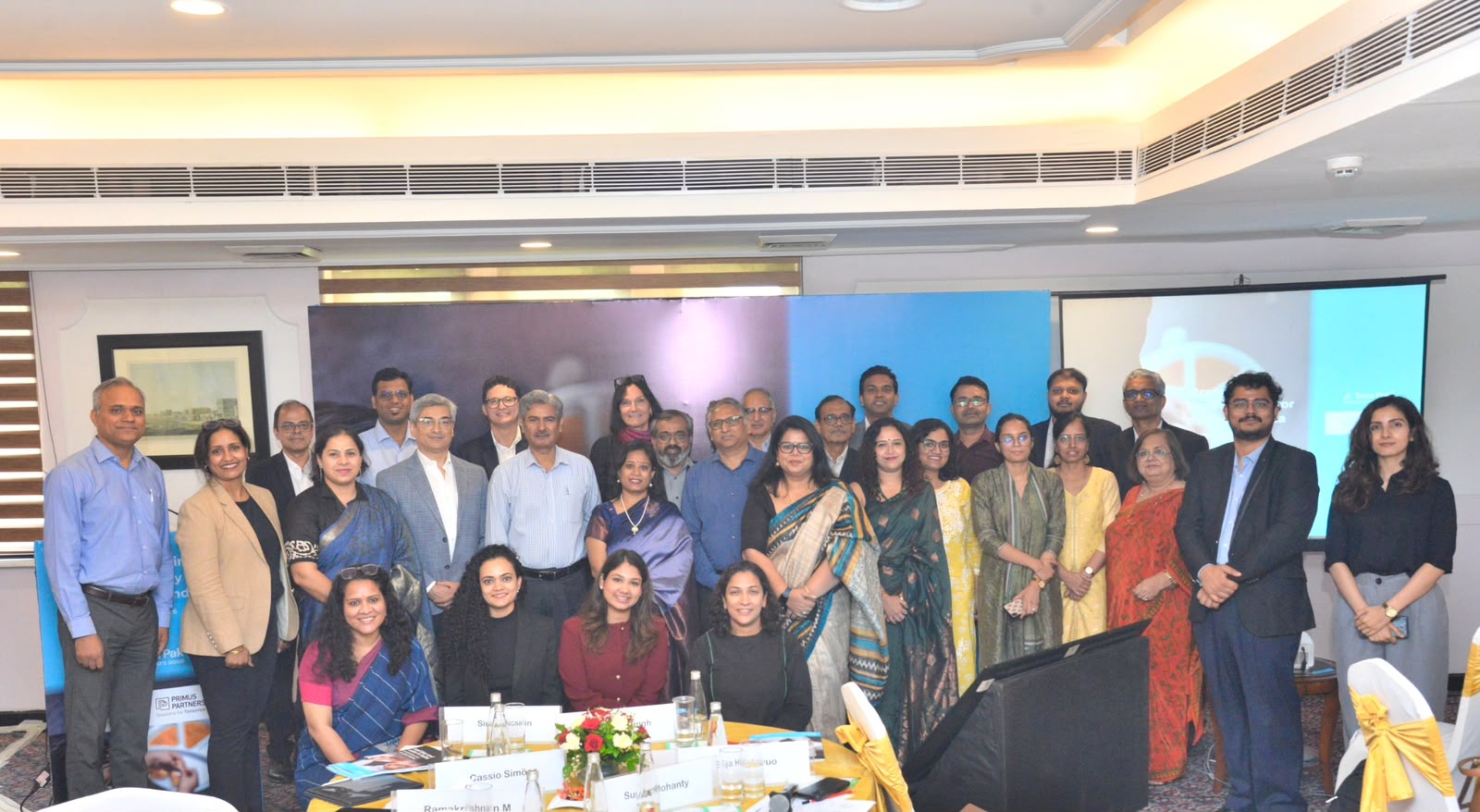 |
Industry leaders and policymakers engaged in strategic discussions on strengthening food security in India at the workshop convened by Tetra Pak in collaboration with ICCE and Primus Partners
The event commenced with a keynote address by Shri Siraj Hussain, Former Secretary, Ministry of Food Processing Industries and Ministry of Agriculture & Farmers Welfare. Asking the audience a pertinent question – “How can we bring innovation and technology to build a more resilient, efficient and much more sustainable supply chain in India?”– he highlighted that India’s food security challenge extends beyond increasing production to minimizing food losses through improved preservation, processing and supply-chain systems. He stressed the importance of leveraging innovation and technology to strengthen the resilience, efficiency and sustainability of India’s food systems.
Dr. Rajbir Singh, Deputy Director General (Agricultural Extension), ICAR, then took the stage and spoke about how the growth in food production is a testament to the resilience of India’s agricultural system. Going forward, the focus must be on reducing post-harvest losses from the current 15–20% to around 5% by 2047, while improving nutrient-use efficiency, mechanization and water-use efficiency. “At present, overall post-harvest losses are around 15–20%, and we want to reduce them to around 5% by 2047,” he added.
Strengthening the ‘critical middle’
A central theme emerging from the discussions was the need to strengthen the ‘critical middle’ of the food value chain- the infrastructure and systems connecting agricultural production with consumption, including aggregation, processing, packaging, storage, logistics and distribution.
The discussions underscored the importance of strengthening integrated food systems through better coordination across stakeholders, improving farmer access to technology and markets, adopting digital solutions for supply chain efficiency, promoting circular economy approaches to food systems, and scaling evidence-based interventions that simultaneously address food security, climate resilience, and food loss and waste reduction.
Other key priorities emerging from the roundtable included:
-
Strengthening food security and resilience across India’s food systems.
-
Reducing food loss and waste through improved post-harvest management, processing, packaging, and logistics.
-
Investing in processing and packaging infrastructure and innovative technologies to extend shelf life, improve food availability, and reduce losses across the food value chain.
-
Leveraging food processing, sustainable packaging, and digital technologies to improve supply chain efficiency and minimize losses.
Building a stronger evidence base for action
From a policy perspective, participants highlighted the need for agencies to collect more granular, ground-level data on food loss and waste to enable better identification of hotspots, inform targeted interventions, and track progress. The discussions also emphasized that, without specific and measurable targets for reducing Food loss and Waste (FLW)efforts to address the issue are likely to remain only partially successful. It was therefore underscored that the need to consider the inclusion of FLW reduction targets in India’s NDCs, alongside greater recognition of innovative technologies in food processing and packaging that can help India achieve these targets.
Tetra Pak and NIFTEM research on the climate impact of food loss and waste (Link: Food loss and waste | Tetra Pak India)
A key highlight of the event was the launch of the NIFTEM – Tetra Pak report on ‘GHG Emissions from Food Loss and Waste,’ which presents research on the environmental implications of food loss and waste in India and reinforces the importance of reducing FLW as a pathway to improving food security while advancing climate action
The session concluded with a shared commitment to deepen collaboration across sectors, strengthen evidence-based policymaking and data collection, promote investment and innovation across the critical middle of the food value chain, and identify actionable next steps to improve food security, reduce food loss and waste, and build a more sustainable food ecosystem for India.
About Tetra Pak
Tetra Pak is a world-leading food processing and packaging solutions company. Working with our customers and suppliers, we provide access to safe, nutritious food for hundreds of millions of people in more than 160 countries every day. With over 24,000 employees worldwide, we commit to making food safe and available everywhere, and we promise to protect what’s good: food, people and the planet.
More information about Tetra Pak is available at www.tetrapak.com.

YOU MAY LIKE THIS