Reg No. - CHHBIL/2010/41479ISSN - 2582-919X

US Senate Clears Russia Sanctions Bill, India Faces Risk of Up to 100% Tariffs
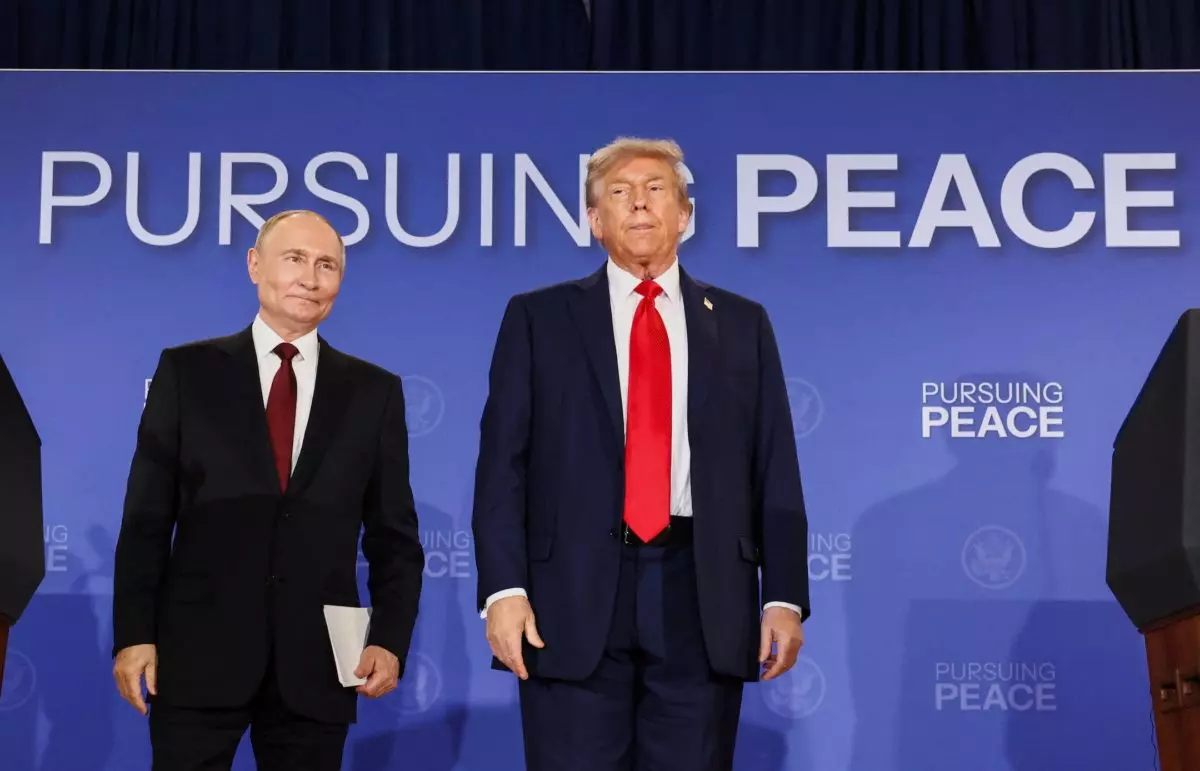
US President Donald Trump with Russian President Vladimir Putin. The US Senate has approved legislation that could authorise tariffs of up to 100 per cent on goods from major buyers of Russian energy, including India. — AP File Photo
Sweeping bipartisan legislation targets Moscow’s energy revenues and gives President Donald Trump authority to impose steep tariffs on major buyers of Russian oil and gas
Washington: The US Senate has overwhelmingly approved a sweeping sanctions bill aimed at intensifying economic pressure on Russia while potentially exposing major purchasers of Russian energy, including India and China, to tariffs of up to 100 per cent.
The Lindsey O. Graham Sanctioning Russia and Iran Act of 2026 cleared the Senate by an 86-11 vote, reflecting strong bipartisan support for tougher measures against Moscow over its continuing war in Ukraine.
The legislation gives US President Donald Trump authority to impose tariffs of up to 100 per cent on goods from countries identified among the leading importers of Russian oil and gas. India, because of its substantial purchases of Russian crude, could consequently face significant tariff pressure if the powers contained in the legislation are ultimately exercised.
Importantly, however, the Senate’s passage does not mean a 100 per cent tariff has already been imposed on India. The measure still needs approval from the House of Representatives and must complete the legislative process before becoming law. Even then, the tariff provision gives the President authority to act rather than automatically imposing the maximum levy.
The legislation was championed by Republican Senator Lindsey Graham before his death in July and Democratic Senator Richard Blumenthal. Following Graham’s death, the bill was renamed in his honour. His sister, Darline Graham Nordone, who was subsequently appointed to complete his Senate term, has helped carry forward his legislative agenda.
Supporters argue that targeting countries buying Russian energy would strike at one of Moscow’s most important sources of revenue and force major importers to choose between access to the American market and continued purchases of comparatively cheaper Russian energy.
The measure also proposes sanctions targeting senior Russian officials, financial institutions and individuals linked to President Vladimir Putin. Separately, it extends provisions of the Iran Sanctions Act, maintaining US pressure on investments connected with Iran’s energy sector.
Blumenthal described the measures as powerful economic instruments intended to punish those helping sustain Russia’s war effort. Supporters of the legislation believe secondary economic pressure on Russia’s trading partners could make existing sanctions more effective.
The tariff provisions have nevertheless generated concern among some Democratic lawmakers, who argue that they would hand the Trump administration unusually broad powers to impose new trade barriers.
That debate could become more pronounced when the legislation reaches the House of Representatives. The House is expected to take up the measure after returning from its summer recess on August 31.
For New Delhi, the development will be closely watched because Russian crude has become an important component of India’s energy imports. Any eventual application of punitive US tariffs could therefore introduce a fresh complication into India-US trade relations while forcing Washington to balance its strategic partnership with India against its effort to squeeze Russia’s energy revenues.

YOU MAY LIKE THIS