Reg No. - CHHBIL/2010/41479ISSN - 2582-919X

Mahatari Vandan Scheme: 30th Instalment Reaches Over 67.20 Lakh Women in Chhattisgarh
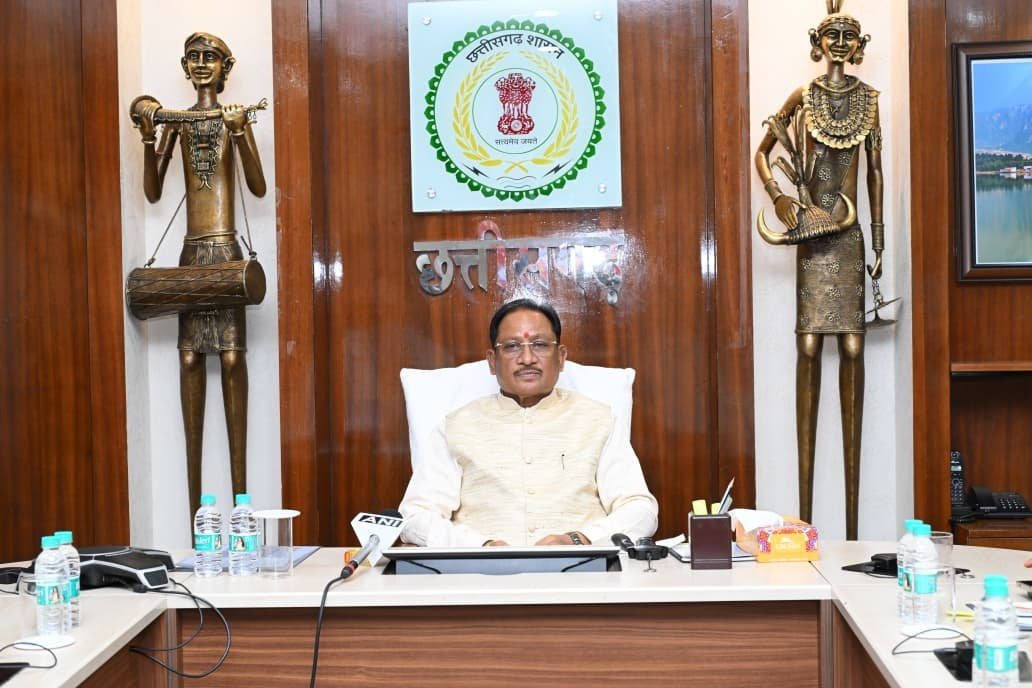
Chief Minister Vishnu Deo Sai releases the 30th instalment of the Mahatari Vandan Yojana from the Chief Minister’s Residence Office in Raipur on Friday, August 7, 2026, transferring ₹630.55 crore through DBT to more than 67.20 lakh women across Chhattisgarh. Photo Credit: primelookindia.com via CMO
CM Vishnu Deo Sai transfers ₹630.55 crore directly into beneficiaries’ accounts; cumulative assistance under the flagship women’s scheme crosses ₹19,444 crore
Raipur: Chhattisgarh Chief Minister Vishnu Deo Sai on Friday, August 7, 2026, released the 30th instalment of the Mahatari Vandan Yojana, transferring ₹630.55 crore directly into the bank accounts of more than 67.20 lakh eligible women across the State.
The transfer was made through Direct Benefit Transfer (DBT) from the Chief Minister’s Residence Office in Raipur. Women and Child Development Minister Laxmi Rajwade, Principal Secretary Shahla Nigar and Director Dr Renuka Srivastava were present on the occasion.
Key Factors
- 67,20,125 women covered under the 30th instalment
- ₹630.55 crore transferred through DBT on Friday
- ₹19,444.33 crore-plus transferred since the scheme’s launch
- Eligible beneficiaries receive ₹1,000 every month
- Scheme has been operational across Chhattisgarh since March 1, 2024
More Than Financial Assistance: CM Sai
Describing the programme as an initiative linked to women’s dignity and economic independence, Sai said the Mahatari Vandan Yojana should not be viewed merely as a monthly transfer of ₹1,000.
“When mothers and sisters become economically empowered, families become stronger, the future of children becomes more secure and society moves towards greater development,” the Chief Minister said.
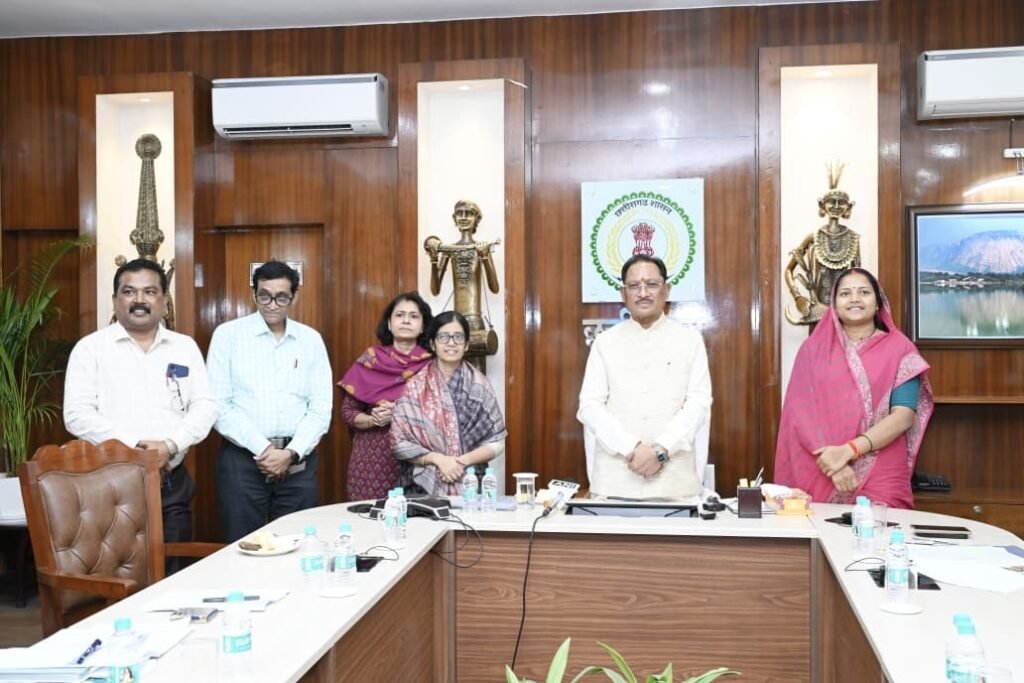
Chief Minister Vishnu Deo Sai with Women and Child Development Minister Laxmi Rajwade and senior officials at the Chief Minister’s Residence Office in Raipur on Friday, August 7, 2026, during the release of the 30th instalment of the Mahatari Vandan Yojana. Photo Credit: primelookindia.com via CMO
He said regular financial support was helping women meet expenses connected with children’s education, nutrition and healthcare while also giving them greater participation in household financial decisions.
According to the State Government, some beneficiaries are using the monthly assistance to invest in their daughters’ future through savings schemes, while others are supplementing household incomes through small livelihood activities such as tailoring, dairy farming, grocery businesses, vegetable vending and other forms of self-employment.
DBT at the Centre of Delivery
A significant feature of the scheme is the direct transfer of assistance to beneficiaries’ bank accounts. The government maintains that the DBT mechanism has helped make delivery more transparent while reducing intermediaries between the State and beneficiaries.
Sai said good governance was not limited to designing welfare schemes but depended on ensuring that assistance reached eligible people on time and transparently.
The 30th instalment takes the cumulative amount distributed under the programme to more than ₹19,444.33 crore, according to figures released by the State Government.
From Welfare Support to Financial Participation
The larger significance of the Mahatari Vandan Yojana lies in how regular, independently accessible financial assistance can affect women’s participation in family-level economic decisions.
While ₹1,000 a month by itself may not transform a household’s finances, its regularity can provide beneficiaries with a predictable amount for everyday requirements, savings or small livelihood activities. The longer-term impact, however, will ultimately depend on how effectively such financial assistance is complemented by opportunities in education, skills, employment and entrepreneurship.
For the Sai government, the scheme remains one of its most visible women-centric welfare programmes, combining direct financial assistance with its broader emphasis on women’s economic participation and social security.

YOU MAY LIKE THIS