Reg No. - CHHBIL/2010/41479ISSN - 2582-919X

Nano Urea and Nano DAP Emerge as Farmers’ New Preference in Evolving Agriculture across the Country
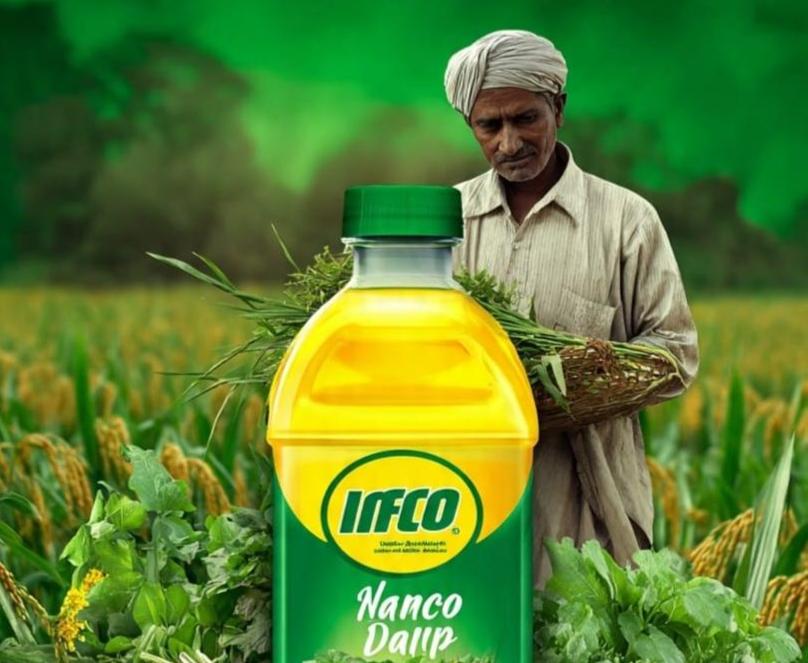
Agricultural experts in India believe that in the times to come, the synergy of scientific farming, balanced fertiliser usage, and modern technologies will be the key to making agriculture more profitable. Nano Urea and Nano DAP are regarded as significant technological alternatives in this regard—options that hold the potential to prove beneficial for farmers on three fronts: reduced costs, enhanced production, and soil conservation-(Representational Image ) -Credit CG/PR
Key Factors
- A New Alternative for Lower Costs, Better Yields, and Soil Conservation: Nano Fertilizers
- Advancing Towards Scientific Farming: Farmers Reap Benefits from Nano Fertilizers
- Nano Urea and Nano DAP Boost Agricultural Savings, Production, and Environmental Conservation
Raipur: Amidst the challenges posed by rising agricultural costs, declining soil fertility, and the excessive use of chemical fertilizers, Nano Urea and Nano DAP have now emerged as useful and popular alternatives for farmers. Agricultural scientists believe that if farmers utilise these products in a balanced and scientific manner, they can significantly help in reducing cultivation costs, improving yields, and maintaining soil quality.
According to experts, shifting the methods of fertiliser application will be essential to ensure that farming remains sustainable and profitable in the future. This is precisely why interest in Nano fertilizers is currently on the rise among farmers.
In most paddy-producing regions across the country—including Chhattisgarh—farmers typically use 2 to 3 bags of Urea and 1 bag of DAP per acre.
Based on current market rates, the price of one bag of Urea is approximately ₹270, while one bag of DAP costs around ₹1,350. Consequently, the expenditure on Urea and DAP alone amounts to roughly ₹1,900 to ₹2,200 per acre.
According to agricultural experts, a single 500-milliliter bottle of Nano Urea is considered to be as effective as one full bag of traditional Urea. By applying the Nano fertiliser via foliar spray in two distinct stages of crop growth, the requirement for traditional Urea can be substantially reduced.
If farmers opt to use two bottles of Nano Urea instead of two bags of solid Urea, they can realize an estimated cost saving of ₹100 per acre. The market value of two bags of traditional Urea stands at approximately ₹540. In its place, two bottles of Nano Urea can be used; these cost approximately ₹450–500. This translates to direct savings on fertiliser costs, as well as a reduction in expenses related to transportation, storage, and labor.
Similarly, agricultural experts believe that instead of utilizing the full 50-kilogram quantity of DAP, if farmers use 25 kilograms of DAP combined with 500 milliliters of Nano DAP, they can save approximately ₹75 to ₹150 per acre.
According to agricultural scientists, a significant portion of traditional urea is lost into the soil, water, and atmosphere. In contrast, the microscopic particles of Nano Urea are rapidly and directly absorbed by plants. This ensures that the plants receive balanced nutrition.
According to experts, when used in a balanced manner, Nano Urea yields numerous positive results. Crop growth improves, and the lush greenness of the plants is sustained for a longer duration. Grain filling becomes more robust, and the overall quality of the produce improves. Furthermore, fertiliser use efficiency increases; several agricultural trials have even indicated a potential increase in yield ranging from 5 to 8 percent.
Experts in the agricultural sector point out that the continuous and excessive use of chemical fertilisers adversely affects the soil’s natural fertility. The balanced application of Nano fertilisers can help maintain the nutrient equilibrium within the soil. Moreover, it leads to a reduction in chemical residues and groundwater pollution, while preserving the soil’s biological activity. Consequently, the overall environmental impact is minimised. For these very reasons, modern scientific farming practices are now placing greater emphasis on the balanced use of fertilisers.
If the use of Nano fertilisers is increased in a balanced manner—in accordance with scientific advice—dependence on imported fertilisers will decrease. This will also result in foreign exchange savings, provide a boost to the domestic fertiliser industry, and create more employment opportunities within manufacturing units. Ultimately, the agricultural sector will advance further toward the goal of self-reliance.
According to the Department of Agriculture, there are adequate stocks of traditional fertilisers available within the state, and farmers need not be concerned. Currently, the availability of Urea in the societies of Raipur district stands at 9,102 metric tonnes, with a total stored stock of 10,732 metric tonnes; meanwhile, the availability of DAP is 3,092 metric tonnes, with a total stored stock of 3,927 metric tonnes.
Furthermore, the availability of Nano Urea and Nano DAP is being enhanced through agricultural service centers and societies, enabling farmers to utilise these alternatives based on their specific needs and utility.
Agricultural experts believe that in the times to come, the synergy of scientific farming, balanced fertiliser usage, and modern technologies will be the key to making agriculture more profitable. Nano Urea and Nano DAP are regarded as significant technological alternatives in this regard—options that hold the potential to prove beneficial for farmers on three fronts: reduced costs, enhanced production, and soil conservation.

YOU MAY LIKE THIS