Reg No. - CHHBIL/2010/41479ISSN - 2582-919X

US-India Trade Deal Very Close to Finalisation, Says Marco Rubio Amid Tariff Pause
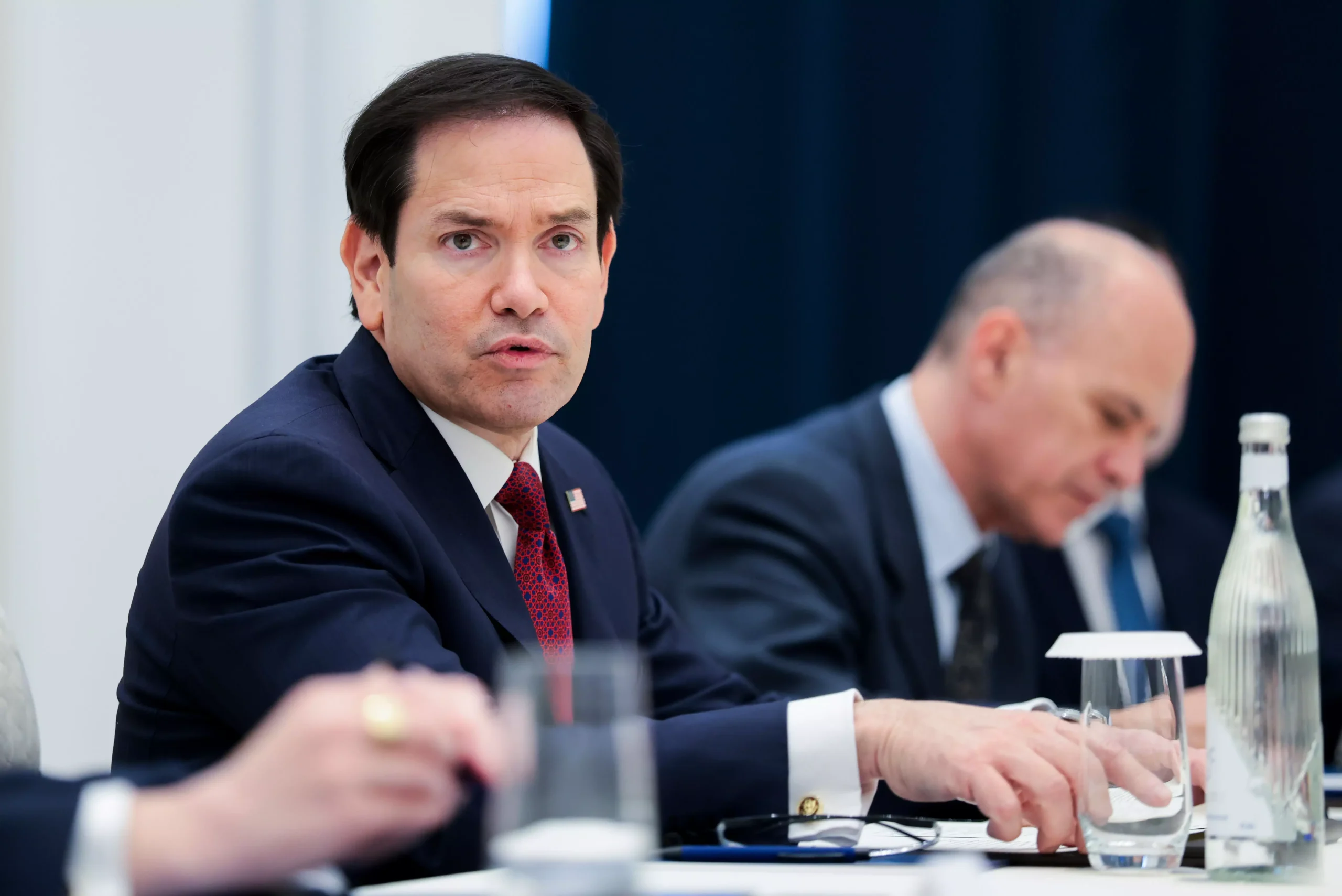
US Secretary of State Marco Rubio, who said in Samarkand, Uzbekistan, on Monday, October 19, 2026, that the United States was very close to finalising a trade agreement with India. His remarks came amid Washington’s temporary pause on additional punitive tariffs linked to Russian oil purchases and ahead of his scheduled visit to India for discussions on bilateral economic and strategic cooperation. Photo: AP
US Secretary of State Signals Progress in Bilateral Trade Negotiations as Washington Weighs Tariff Relief, Russian Oil Purchases and Broader Economic Cooperation With New Delhi
Key Highlights
- US Secretary of State Marco Rubio says Washington is very close to finalising a trade agreement with India.
- Rubio links progress in trade negotiations to the Trump administration’s consideration of national security waivers.
- The United States has temporarily held back additional punitive tariffs targeting countries purchasing Russian oil.
- India continues to seek preferential market access and tariff stability for its exporters.
- Rubio is scheduled to visit Mumbai for discussions with External Affairs Minister S. Jaishankar.
Samarkand, Uzbekistan: US Secretary of State Marco Rubio said on Monday, October 19, 2026, that Washington was very close to finalising a trade agreement with India, signalling fresh momentum in bilateral economic negotiations amid the Trump administration’s decision to pause additional punitive tariffs linked to purchases of Russian oil. His remarks came ahead of a visit to India, where trade, energy security and strategic cooperation are expected to feature prominently in discussions with Indian officials.
Speaking to reporters in Samarkand, Rubio indicated that progress in the trade negotiations was among the considerations influencing Washington’s approach to national security waivers and potential tariff measures.
Rubio Signals Breakthrough in Trade Negotiations
Rubio expressed confidence that the two countries were approaching the conclusion of their long-negotiated trade arrangement.
“We’re trying to finalise a trade deal with India right now. We’re very close to doing that.”
He added that progress in the negotiations was one of the factors considered by President Donald Trump when deciding on national security waivers.
The remarks represent an important diplomatic signal following months of negotiations complicated by disagreements over tariffs, market access and energy purchases.
However, Rubio did not announce a signing date or disclose the final terms of the proposed agreement.
Tariff Pause Provides Breathing Space
Rubio’s comments come as Washington has temporarily refrained from imposing additional punitive tariffs under legislation targeting countries that continue purchasing Russian oil.
The Trump administration’s approach has attracted particular attention in India, where energy imports and access to the American market have become closely connected diplomatic issues.
Rubio indicated that the administration was considering the wider economic implications of tariff measures, including their possible consequences for the United States and the global economy.
The temporary relief does not, by itself, constitute a permanent exemption or guarantee that future tariff action has been ruled out.
India Seeks Competitive Advantage for Exporters
New Delhi has maintained that any trade agreement must protect India’s commercial interests and provide competitive opportunities for Indian exporters.
On October 15, Union Commerce and Industry Minister Piyush Goyal said the first phase of the proposed agreement had reached the final stages of legal drafting.
India is seeking tariff arrangements that would allow its exporters to compete effectively with manufacturers from countries such as Bangladesh, Vietnam and Indonesia.
Commerce Secretary Rajesh Agrawal also indicated that India wanted greater market access and more predictable tariff conditions before the agreement was concluded and implemented.
February Framework Forms Basis of Negotiations
The two countries announced a framework for an interim trade agreement in February 2026.
Under that framework, Washington proposed an 18 per cent reciprocal tariff rate on specified Indian goods, while India agreed to reduce or eliminate tariffs on a range of American industrial and agricultural products.
The framework also envisaged cooperation on supply chains, investment, technology and trade barriers.
Although the broad terms were announced earlier, the agreement has remained subject to further negotiations, legal drafting and implementation requirements.
Rubio’s India Visit Adds Diplomatic Significance
Rubio’s visit to India is expected to provide another opportunity for high-level engagement on economic and strategic issues.
He is scheduled to visit Mumbai on Tuesday, October 20, where he is expected to meet External Affairs Minister S. Jaishankar.
The visit comes at a sensitive stage in bilateral relations, with both countries attempting to manage differences over energy policy while preserving their wider economic and strategic partnership.
Trade Agreement Could Strengthen Economic Relations
A finalised trade agreement could offer greater predictability for businesses, exporters and investors in both countries.
For India, the principal concerns include tariff stability, competitive access to the American market and protection of domestic economic interests.
For the United States, negotiations have focused on reciprocal market access, trade barriers and opportunities for American businesses.
The outcome could also influence cooperation in technology, manufacturing, energy and investment.
Final Agreement Still Awaited
Despite the positive signals from Rubio, the proposed trade arrangement has not yet been formally concluded.
Both sides must complete the remaining negotiations and legal processes before the final agreement can be signed and implemented.
Rubio’s statement nevertheless suggests that Washington sees a possible breakthrough within reach.
The immediate focus will now be on whether the diplomatic momentum translates into a formal agreement that addresses the commercial priorities of both countries.

YOU MAY LIKE THIS