Reg No. - CHHBIL/2010/41479ISSN - 2582-919X

Sushasan Express brings governance to Narayanpur’s last-mile
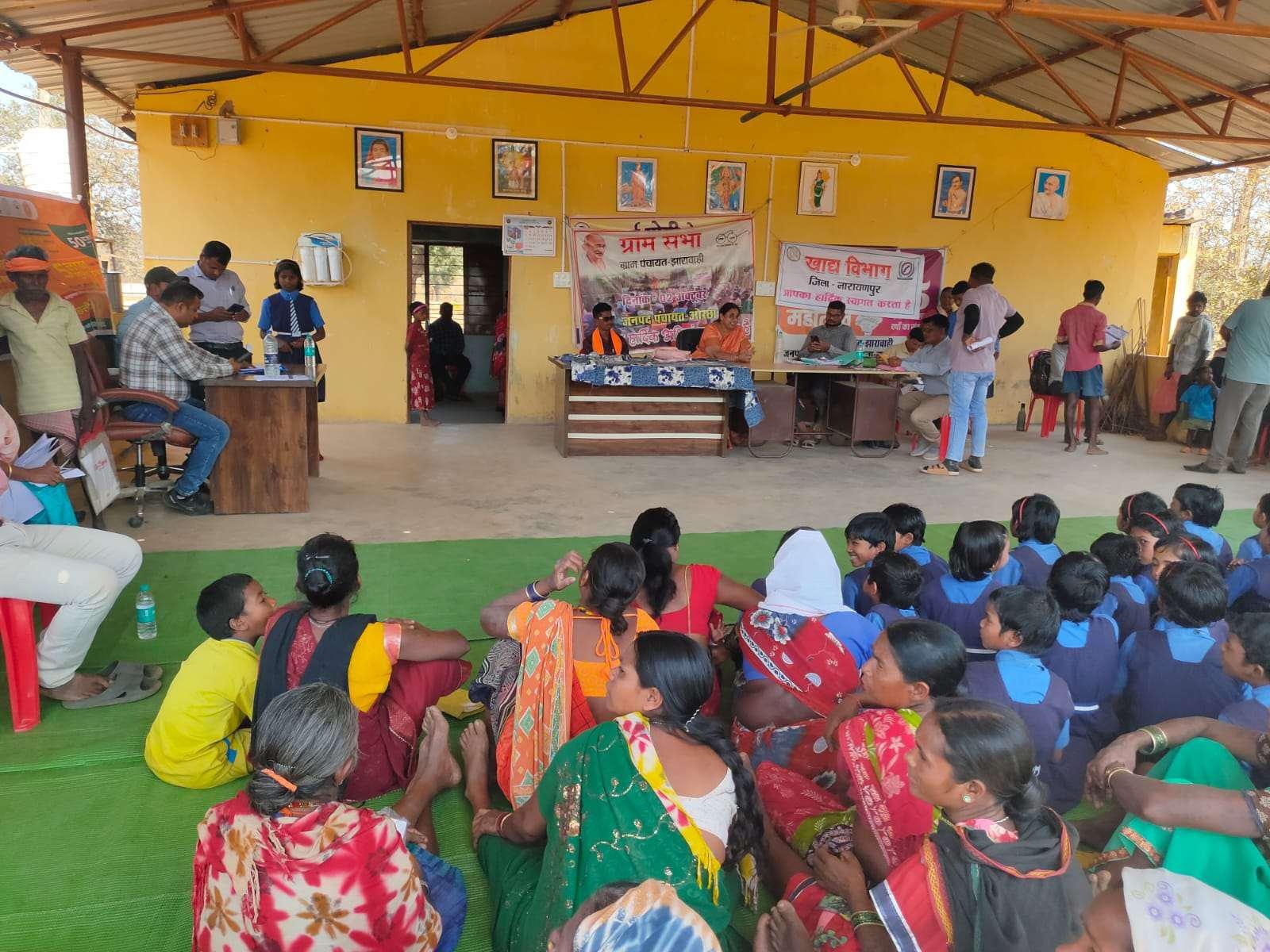
Raipur: For many families in Narayanpur’s interior villages, official documents were once out of reach, not by choice but by distance. Long journeys, poor roads and security concerns kept services away.
The Sushasan Express, a mobile governance unit introduced by the district administration under Narayanpur Collector Namrata Jain, is beginning to close that distance by bringing government services directly to these settlements .
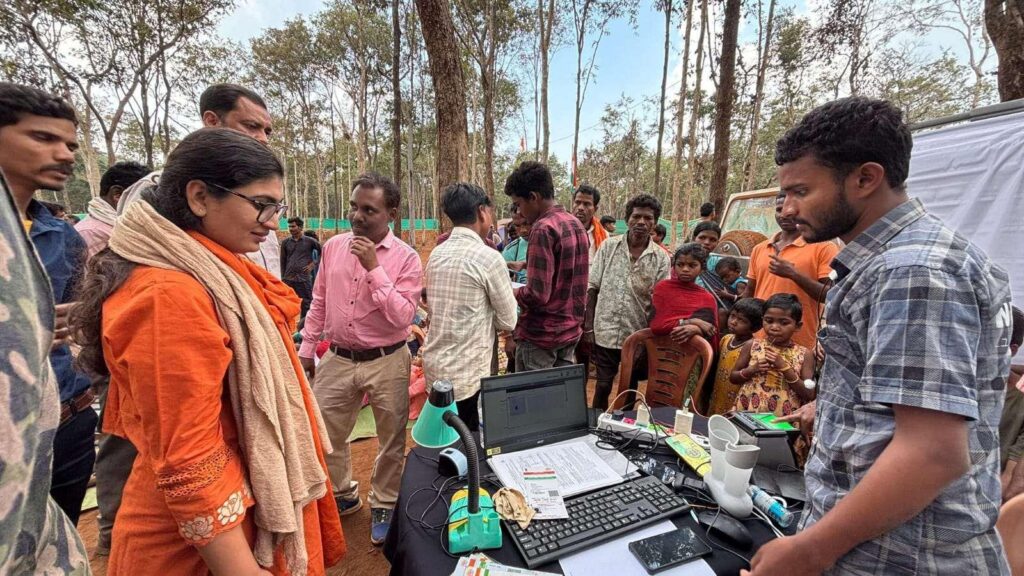
For years, geography and security concerns kept many villages beyond the routine reach of administration. Basic services such as identity registration, welfare enrolment, and grievance redressal often required long travel or remained inaccessible altogether. The Sushasan Express changes that equation.
Launched in January 2026, the initiative operates as a travelling service centre. Officials and data operators move into remote habitations, set up temporary camps, and deliver services on the spot.
The focus remains on ensuring that residents of interior areas, particularly those under the Niyad Nella Nar villages, are covered under essential schemes.
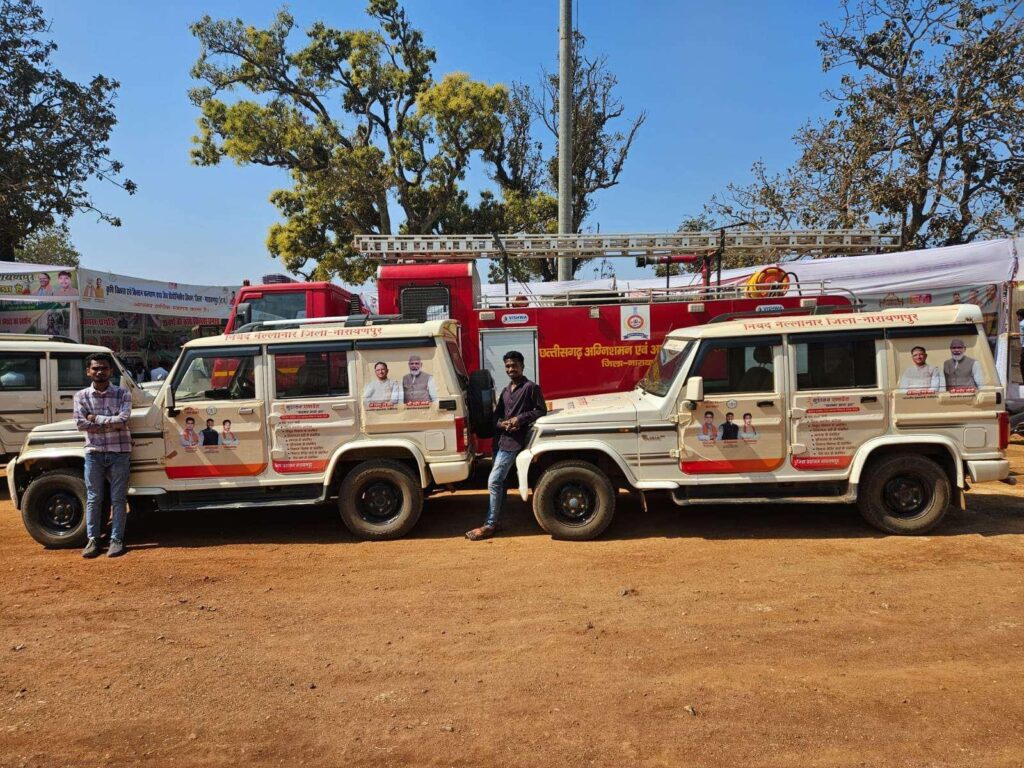
Between January and April 23, 2026, the Sushasan Express has reached thousands of beneficiaries across multiple schemes. The data reflects the scale of on-ground delivery.
A total of 1,951 Aadhaar cards, 259 Ayushman cards and 306 labour cards have been issued. Services linked to essential documentation and livelihoods have also seen steady progress. This includes 676 birth and death certificates, 514 ration card issuance, 168 caste certificates, 104 income certificates and 63 residence certificates. In addition, 31 services under the PM Samman Nidhi have been facilitated.
The outreach has not been limited to documentation. The initiative has supported pension-related services, MGNREGA job cards and election-related Form-6 registrations. Health and disability surveys have also been conducted in remote areas.
A key feature of the programme is Aadhaar service delivery. A total of 10,682 Aadhaar updates, including Mandatory Biometric Updates, have been completed. This addresses a long-standing gap, as access to identity documents remains central to availing most government schemes.
For many residents, these camps offer their first direct access to government systems. Villages such as Jharawahi, Kandakadi, Korge, Pangud, Madhonar, Raynar, Korenda, Toynar, and Chhinari, once difficult to reach due to terrain and security conditions, are now part of this expanding network of service delivery.
“A daily monitoring system has been put in place to track applications received, processed and pending, ensuring transparency and timely delivery,” said Collector Namrata Jain.
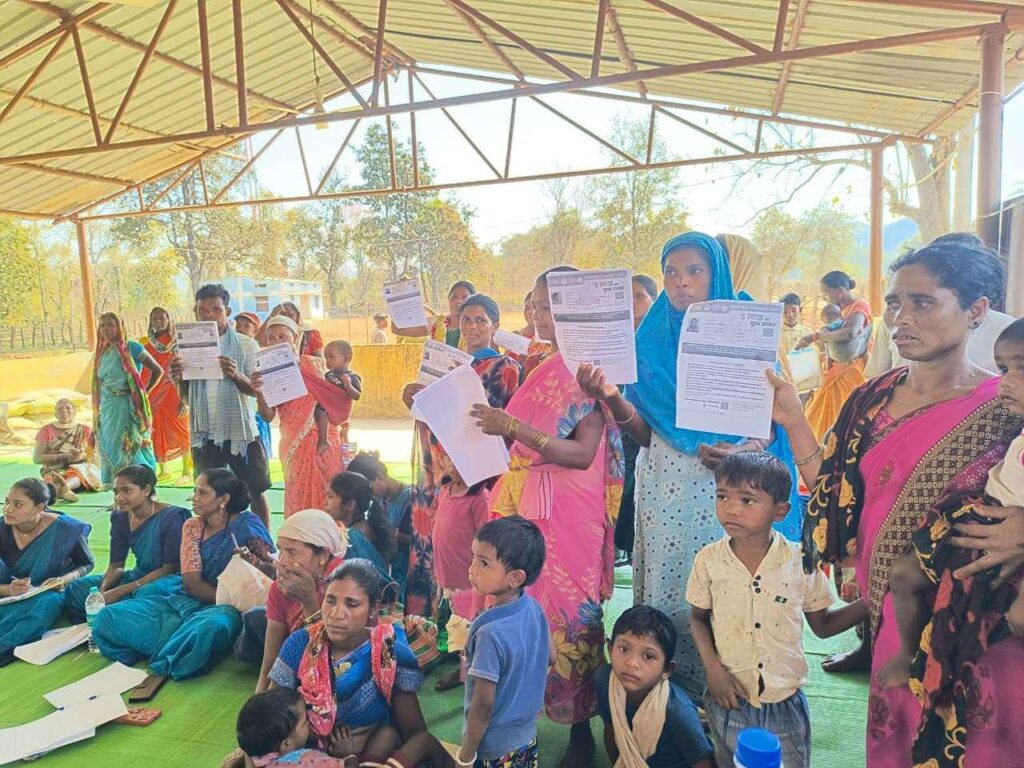
“Through the Sushasan Express, we are working to take essential services directly to people in remote areas. By improving access to identity documents, healthcare, social security and livelihood support, the effort is helping build trust and support the region’s gradual shift towards stability and development.”
Narayanpur’s terrain has long shaped the way governance is delivered. Dense forests, hilly stretches and scattered habitations make physical access challenging, with many villages located far from administrative centres. Over time, this has required the administration to adopt more flexible and field-based approaches. In this setting, initiatives like the Sushasan Express are helping take services closer to people in a practical and consistent manner.
By moving services to the villages, the administration is strengthening direct engagement with communities and improving access to essential schemes. In Narayanpur, governance is increasingly being delivered at the doorstep.
Chief Minister’s Say :
“Sushasan Express reflects our commitment to the principle of good governance, where every citizen receives the benefits meant for them,” Chief Minister Vishnu Deo Sai said. “We want every citizen, especially in remote areas, to have direct access to government services without unnecessary hurdles.
Our focus is on ensuring that benefits reach eligible people without delay. Efforts are being made to strengthen direct engagement between the administration and citizens through field outreach.”

YOU MAY LIKE THIS