Reg No. - CHHBIL/2010/41479ISSN - 2582-919X

Russia Ready to Meet India’s Oil Needs, Alipov Hits Out at Western ‘Pressure Tactics’
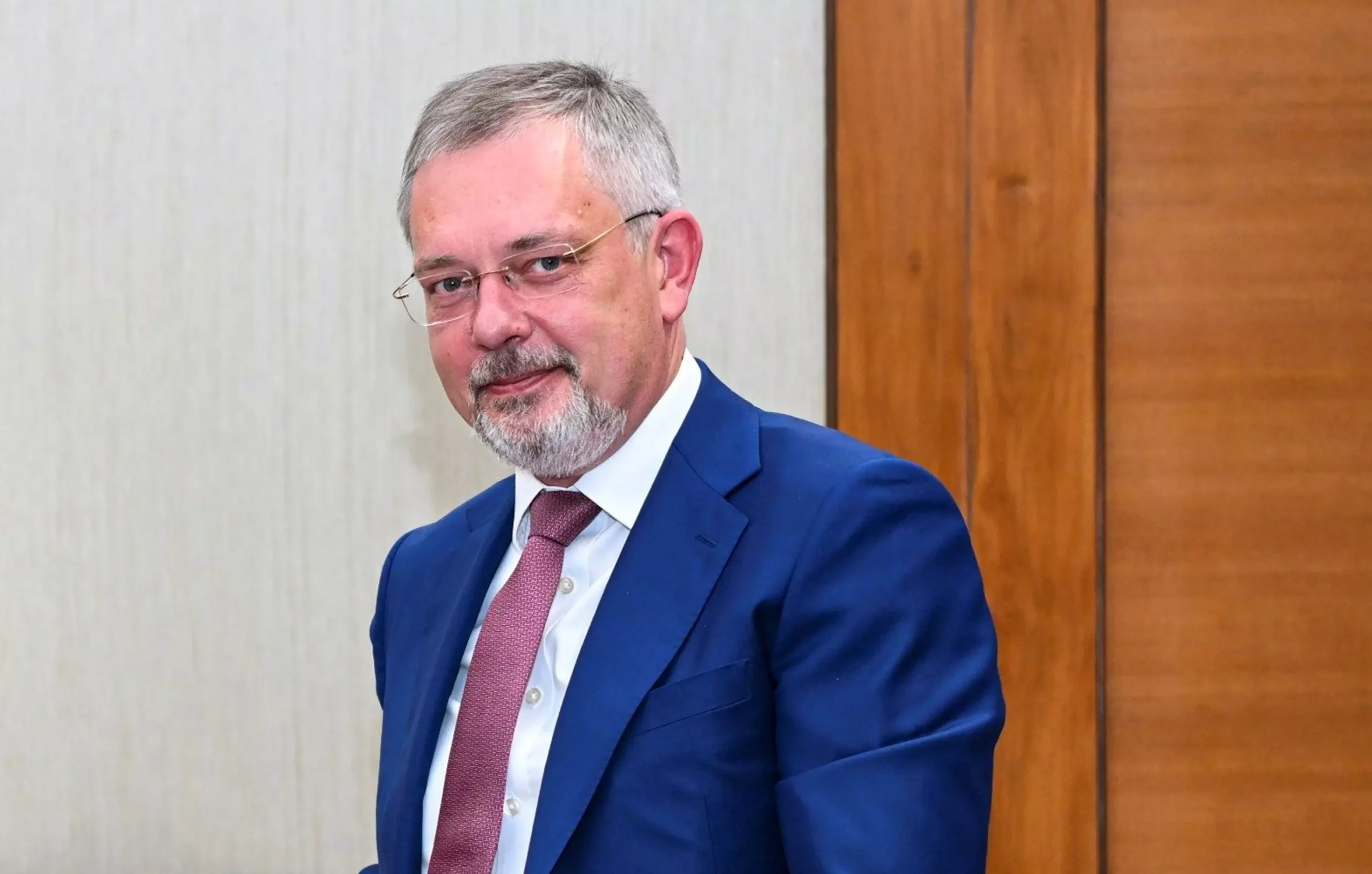
Russian Ambassador to India Denis Alipov, who said Moscow is ready to supply as much oil as India needs despite Western sanctions and tariff pressures. Photo: ANI
Key Highlights
- Russia says it is ready to supply as much oil as India needs, despite Western sanctions and tariff pressures.
- Ambassador Denis Alipov says India has demonstrated its ability to defend its national interests in energy procurement.
- Moscow describes sanctions and tariff threats targeting Russian oil trade as “pressure tactics” rather than fair economic competition.
- Alipov argues that global energy markets cannot afford the exclusion of Russian crude.
- Russia expects its energy partnership with India to continue, driven by India’s energy requirements and commercially competitive supplies.
Russian envoy says attempts to squeeze Russian crude out of global markets cannot alter the energy realities driving India-Russia trade
New Delhi, September 4, 2026: Russia is prepared to supply India with as much oil as it requires, Russian Ambassador Denis Alipov said on Friday, strongly criticising sanctions and tariff threats aimed at countries continuing energy trade with Moscow.
Alipov said India had demonstrated its ability to protect its national interests despite mounting external pressure over Russian crude purchases. Energy security, he indicated, remained a central consideration for New Delhi as it sought reliable and competitively priced supplies.
“We would be ready to supply as much oil as India needs,” Alipov said during an interaction with ANI, while describing sanctions and tariff threats as “pressure tactics” rather than fair economic competition.
The envoy questioned why countries seeking to discourage India from purchasing Russian crude were relying on punitive measures instead of competing commercially by offering New Delhi more attractive terms.
“Who prevents those countries from offering a better deal to India in oil than us?” he asked, arguing that the resort to sanctions reflected their inability to match Russia’s commercial proposition.
Russian Crude Will Remain in Global Market
Alipov also rejected the possibility of effectively removing Russian oil from international energy markets, saying global demand and supply realities made such an outcome impractical.
“The world will not cope if Russian oil is excluded. The energy markets cannot afford that,” he said, adding that Russian crude would continue to be available to India and other buyers.
His remarks underline Moscow’s determination to preserve its energy partnership with New Delhi at a time when countries importing Russian oil face growing scrutiny and the possibility of additional economic penalties.
India, meanwhile, has repeatedly defended its energy purchases on the grounds of national interest, affordability and the need to secure adequate supplies for a large and growing economy.
Sanctions Put India-Russia Energy Trade Under Scrutiny
The debate has intensified as Western governments seek additional mechanisms to restrict revenues flowing to Moscow from energy exports. Such measures can extend beyond direct restrictions on Russian companies and expose businesses in third countries to financial or trade consequences for maintaining transactions with sanctioned Russian entities.
For India, the issue involves both strategic and economic considerations. Russian crude became an important component of India’s import basket as refiners took advantage of commercially attractive supplies, while New Delhi maintained that its purchasing decisions must ultimately serve domestic energy requirements.
Alipov expressed confidence that the two countries understood how to continue their cooperation despite the external pressures.
Russia, he said, wants to sell oil to India, while India requires substantial energy resources — creating what Moscow considers a mutually beneficial relationship likely to continue despite sanctions-related challenges.

YOU MAY LIKE THIS