Reg No. - CHHBIL/2010/41479ISSN - 2582-919X

Power, Procedure and the Ram Mandir Trust: Why the July 6 Meeting Could Be Crucial-By- Kumar Bahukhandi (Editorial)
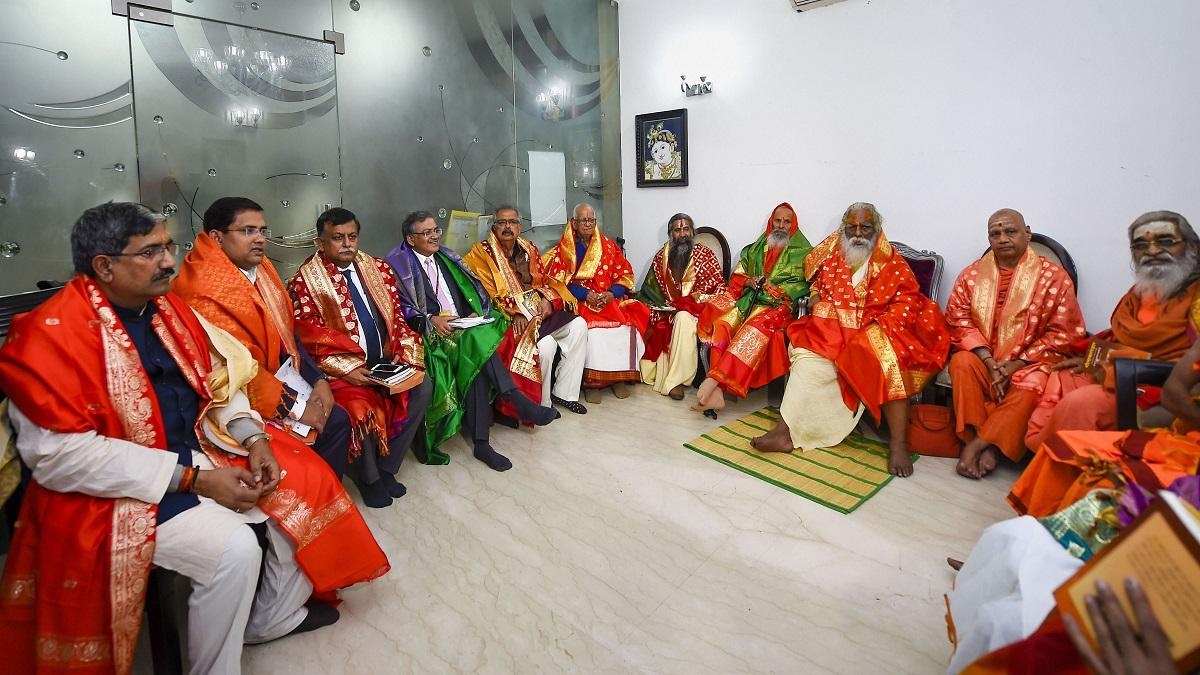
Shri Ram Janmabhoomi Teerth Kshetra Trust members are expected to deliberate on key governance issues during the July 6 meeting in Ayodhya-Photo Credit –channel24india.com
The spotlight is once again on the Shri Ram Janmabhoomi Teerth Kshetra Trust, the body responsible for the construction and management of the Ram Mandir in Ayodhya. Reports indicate that the Trust is expected to deliberate on July 6 over issues concerning senior office-bearers Champat Rai and Anil Mishra. According to the Trust’s governing rules, any proposal to remove key office-bearers requires the support of a two-thirds majority of the trustees, making the process legally and procedurally significant.
While the meeting has generated considerable public and political interest, it is equally important to understand that the Trust functions under a clearly defined constitutional framework. Any decision affecting its leadership is expected to be taken through established procedures rather than political expediency.
Understanding the Trust’s Structure
The Shri Ram Janmabhoomi Teerth Kshetra Trust was constituted in February 2020 following the landmark Supreme Court judgment that settled the Ayodhya land dispute. The Trust was entrusted with overseeing every aspect of the Ram Mandir project—from construction and financial management to long-term administration of the temple complex.
Unlike a political organisation, the Trust operates under its own constitution, which defines the appointment, tenure, powers, and responsibilities of trustees and office-bearers. This framework is intended to ensure continuity, accountability, and institutional stability irrespective of public debate or external pressures.
It is within this constitutional framework that any proposal concerning the continuation or removal of office-bearers must be considered.
Why a Two-Thirds Majority Matters
One of the most significant provisions governing the Trust is that the removal of important office-bearers cannot be decided by a simple majority. Instead, a proposal requires the approval of two-thirds of the trustees.
This higher threshold serves several purposes:
- It prevents abrupt leadership changes.
- It ensures that decisions reflect a broad consensus.
- It protects the institution from factional disputes.
- It reinforces stability in an organization overseeing one of India’s most significant religious projects.
Supermajority requirements are common in institutions where continuity and institutional integrity are considered paramount. Similar provisions exist in corporate boards, constitutional amendments, and many charitable trusts.
The requirement means that any motion concerning Champat Rai or Anil Mishra must command overwhelming support among trustees before it can be implemented.
The Roles of Champat Rai and Anil Mishra
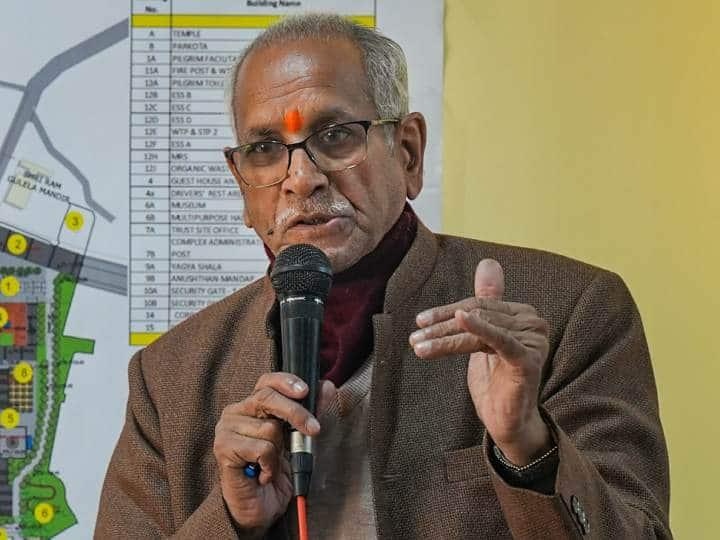
Champat Rai, General Secretary of the Trust, has played a pivotal role in coordinating the Ram Mandir construction project since its inception.-Photo Credit-channel24india.com
Champat Rai has played a central role in the functioning of the Trust since its inception. As General Secretary, he has been one of the principal coordinators of the Ram Mandir construction project, interacting with architects, engineers, government agencies, and devotees.
Anil Mishra has also remained closely associated with the Trust’s activities and has contributed to its organizational and administrative functions.
Both leaders have been involved during the crucial years in which the temple moved from the planning stage to becoming one of India’s most visited religious destinations.
Given their long association with the project, any discussion regarding their positions naturally attracts widespread attention.
What Could Happen on July 6?
The July 6 meeting is expected to provide an opportunity for trustees to discuss matters concerning the Trust’s administration. If any formal proposal regarding office-bearers is placed before the trustees, it would have to be considered according to the Trust’s constitution.
Possible outcomes include:
- No proposal being formally introduced.
- Discussion without any voting.
- A formal resolution being considered.
- Voting on a proposal if procedural requirements are fulfilled.
If a vote is held, the two-thirds majority requirement would determine whether any proposal succeeds.
Until the meeting concludes, any speculation about the outcome remains premature.
Institutional Governance Over Individual Personalities
The current developments underline an important principle of institutional governance: organizations are governed by rules rather than personalities.
Whether in charitable trusts, universities, corporations, or constitutional bodies, leadership transitions are expected to follow prescribed procedures. Such mechanisms help preserve institutional credibility and reduce uncertainty.
For the Ram Janmabhoomi Trust, adherence to its governing rules is especially important because of its national significance and the immense public faith associated with the Ram Mandir.
Transparency and Public Confidence
Large public institutions increasingly operate under intense public scrutiny. Decisions concerning governance often attract widespread media attention and public discussion.
Transparency in decision-making helps strengthen confidence among devotees, donors, and stakeholders. Equally important is ensuring that discussions remain within the framework of institutional rules rather than being influenced by speculation.
Observers believe that a transparent and procedurally sound approach will reinforce the Trust’s credibility regardless of the eventual outcome.
Beyond the Leadership Debate
The Ram Mandir project has now entered a new phase. While the temple has already emerged as a major spiritual and cultural landmark, attention is gradually shifting toward long-term management, pilgrim facilities, cultural activities, conservation, and future expansion of the temple complex.

Trust member Anil Mishra has been closely associated with the administration and development of the Ram Mandir project-Photo Credit-channel24india.com
This transition naturally requires robust governance structures capable of managing increasing responsibilities.
Consequently, discussions about leadership are also discussions about institutional continuity, administrative efficiency, and long-term planning.
A Defining Moment for the Trust
The July 6 meeting is significant not only because of the individuals reportedly under discussion but also because it demonstrates how institutional mechanisms function within one of India’s most prominent religious organizations.
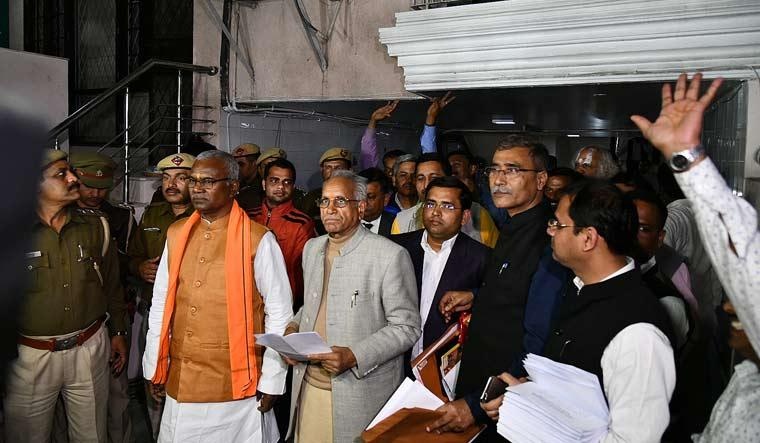
The Ram Mandir in Ayodhya stands as a symbol of faith and cultural heritage, with its governing Trust functioning under a constitution that requires a two-thirds majority for major leadership changes-Photo Credit-channel24india.com
Regardless of whether any change occurs, the meeting will showcase the importance of constitutional procedures, collective decision-making, and organizational discipline.
The requirement of a two-thirds majority reflects the Trust’s emphasis on consensus rather than confrontation, ensuring that major decisions enjoy substantial support among trustees.
Looking Ahead
As devotees and observers await the outcome of the meeting, it is essential to distinguish confirmed developments from speculation. The Trust’s constitution provides a clear roadmap for decision-making, and any action concerning office-bearers will ultimately depend on the collective will of the trustees expressed through the prescribed process.
The Ram Mandir represents far more than a monumental architectural achievement—it is a symbol of faith, heritage, and national sentiment. The institution responsible for managing it carries a responsibility that extends beyond administration to preserving public trust.
Whatever decision emerges from the July 6 meeting, its legitimacy will rest not only on the outcome but also on the integrity of the process. In institutions of such importance, adherence to rules and consensus-based governance remains the strongest foundation for long-term stability and credibility.

YOU MAY LIKE THIS