Reg No. - CHHBIL/2010/41479ISSN - 2582-919X

Our Resolve Is to Heal the Wounds of Naxal Violence and Restore Dignity to Every Victim: Amit Shah
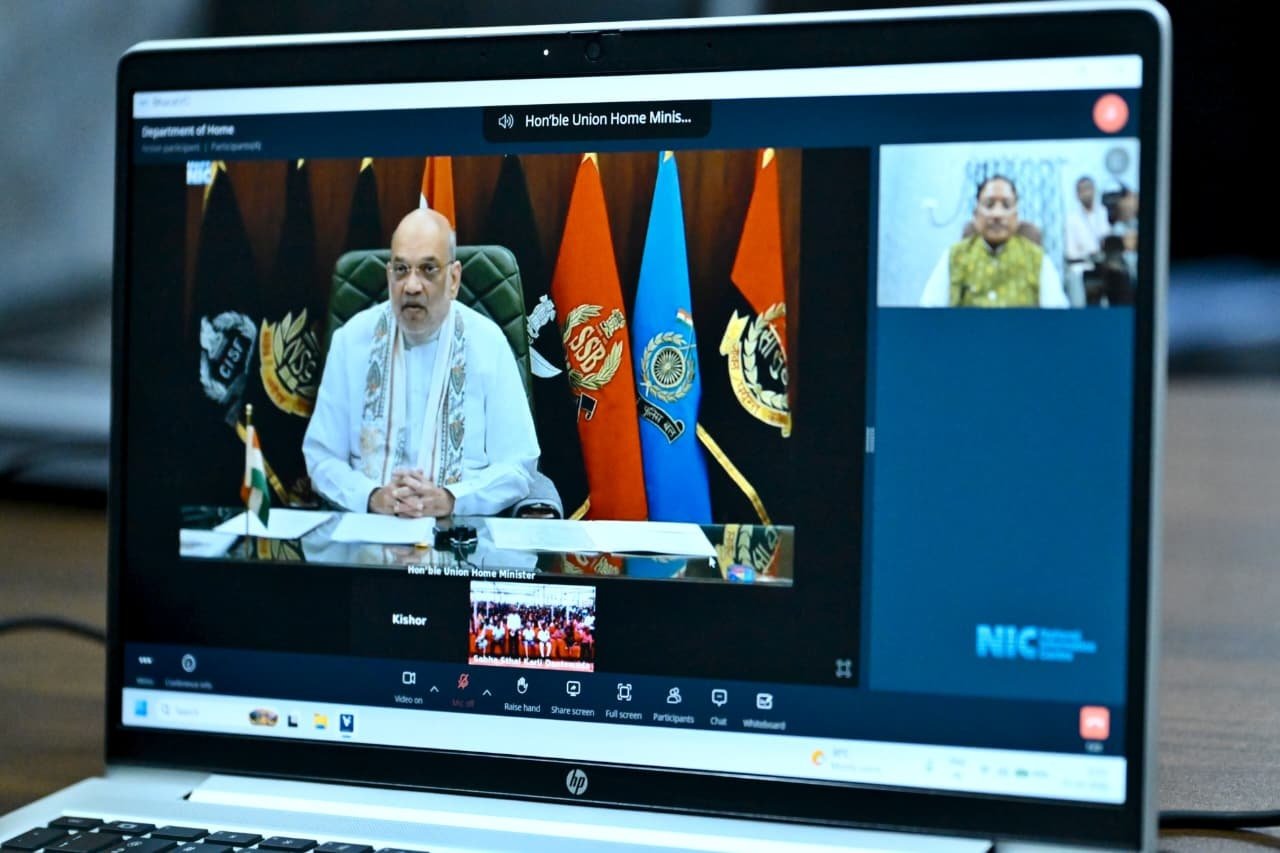
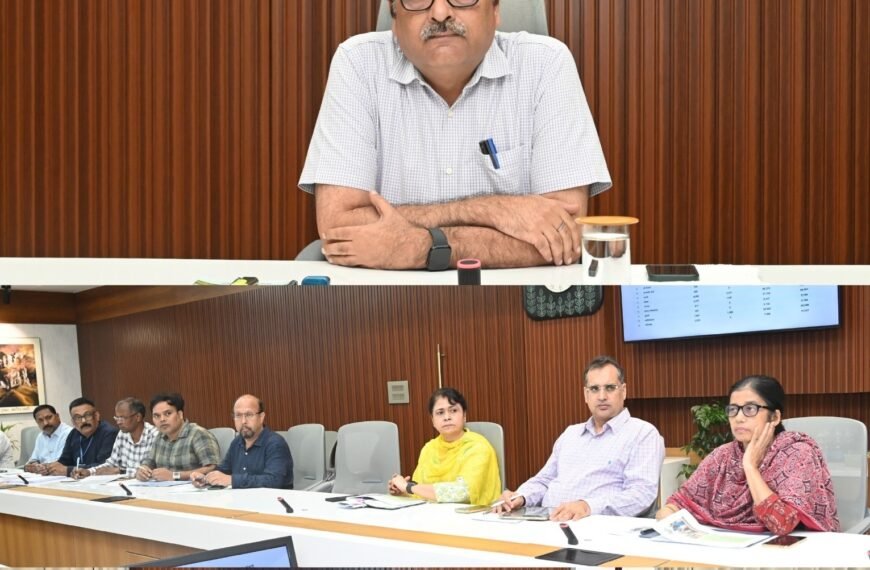
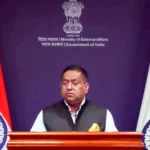
Union Home and Cooperation Minister Amit Shah addresses the inauguration of the second phase of a free artificial limb and assistive device distribution programme in Dantewada through video conferencing on Thursday, October 15, 2026, with Chhattisgarh Chief Minister Vishnu Deo Sai also participating virtually. The three-day camp aims to benefit 768 persons with disabilities from Dantewada, Bijapur and Sukma. Photo: primelookindia.com via CG/CMO
Union Home Minister pledges the Centre’s unwavering support for rehabilitation in Bastar; Chief Minister Vishnu Deo Sai announces a new phase of development, with over 200 security camps to become ‘Shaheed Veer Gundadhur Seva Deras’ and 768 persons with disabilities to benefit from a three-day assistance camp in Dantewada.
Key Highlights
- Amit Shah says eliminating Naxalism is only the beginning; rehabilitation, dignity and self-reliance must follow.
- Vishnu Deo Sai places accelerated development and prosperity in Bastar among the government’s highest priorities.
- More than 200 security camps in Bastar to be developed as Shaheed Veer Gundadhur Seva Deras, expanding their role in public service.
- Three-day free artificial limb and assistive device distribution camp begins in Dantewada from October 15 to 17.
- A total of 768 beneficiaries identified across Dantewada (509), Bijapur (197) and Sukma (62).
- Shah says more than 3,600 persons with disabilities benefited from an earlier Jagdalpur camp held from October 5 to 7.
Raipur: Union Home and Cooperation Minister Amit Shah has declared that the government’s responsibility towards Bastar does not end with the elimination of Naxalism but extends to healing the wounds of five decades of violence, rehabilitating affected families and restoring dignity, independence and opportunities to every victim. Addressing the inauguration of the second phase of a free artificial limb and assistive device distribution initiative in Dantewada through video conferencing on Thursday, October 15, 2026, Shah pledged the Central Government’s unwavering support to Chhattisgarh, while Chief Minister Vishnu Deo Sai outlined a development-oriented vision for Bastar, including the transformation of more than 200 security camps into centres of public service, employment assistance and community development.
Amit Shah: Ending Naxalism Is Not Enough; Its Wounds Must Also Be Healed
Union Home Minister Amit Shah placed rehabilitation and human dignity at the centre of the government’s approach towards people affected by decades of Naxal violence.
Speaking during the programme organised under the Seva Sankalp Abhiyan, marking 25 years of Prime Minister Narendra Modi’s public service as Chief Minister and Prime Minister, Shah said the suffering experienced by Bastar’s poor and tribal families could not be forgotten merely because the security situation had changed.
He emphasised that people who had suffered physical injuries, disabilities and social disruption required sustained support to rebuild their lives. Shah said:
“Our greatest responsibility now is to heal the wounds inflicted by Naxalism, rehabilitate its victims and provide them with opportunities to live with dignity. For five decades, Naxalism caused immense suffering to the poor and tribal families of Bastar. We must now erase every trace of that suffering and make Bastar happy, prosperous and vibrant once again.”
The Union Home Minister said the rehabilitation of persons with disabilities and victims of Naxal violence was an important part of the government’s commitment to restoring normal life in the region.
He assured the state of the Centre’s continued assistance.
“The Government of India stands like a rock with the Chhattisgarh Government in fulfilling this commitment. Under Prime Minister Narendra Modi’s leadership, we are fully committed to the rehabilitation of every person with a disability and every individual affected by Naxal violence.”
His remarks placed particular emphasis on the human consequences of prolonged violence, especially for tribal communities living in remote areas.
Vishnu Deo Sai: A Naxal-Free Bastar Must Now Move Rapidly Towards Prosperity
Chief Minister Vishnu Deo Sai, who also joined the programme through video conferencing, highlighted the need to convert improvements in the security situation into lasting development and better living conditions for the people of Bastar.
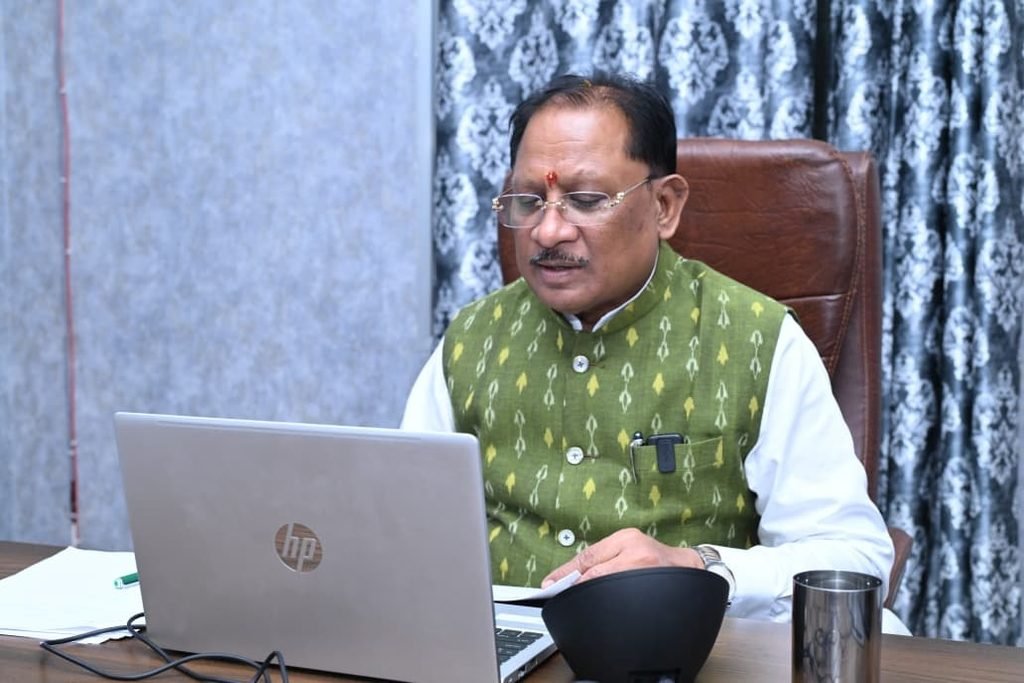
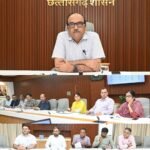
Chhattisgarh Chief Minister Vishnu Deo Sai participates through video conferencing on Thursday, October 15, 2026, in the Dantewada rehabilitation programme, emphasising accelerated development in Bastar and the proposed transformation of more than 200 security camps into Shaheed Veer Gundadhur Seva Deras to expand access to public services and livelihood opportunities. Photo :primelookindia.com via CG/DPR
He said the government’s next priority was to strengthen infrastructure, improve access to essential services and create opportunities for employment and self-employment.
Emphasising the transition from security operations to development, Sai said:
“Our highest priority now is to take Naxal-free Bastar forward rapidly on the path of development and prosperity.”
The Chief Minister credited Prime Minister Narendra Modi’s guidance and Union Home Minister Amit Shah’s determination for the government’s campaign against Naxalism.
“Under the guidance of Prime Minister Narendra Modi and the firm resolve of Union Home Minister Amit Shah, Bastar has been freed from Naxalism. Now is the time to write a new chapter of development.”
Sai’s remarks reflected the state government’s intention to place greater emphasis on public welfare, connectivity, rehabilitation and economic opportunities in areas that had experienced prolonged insurgency-related disruption.
Over 200 Security Camps to Become ‘Shaheed Veer Gundadhur Seva Deras’
One of the significant initiatives highlighted during the programme was the proposed transformation of more than 200 security camps across Bastar into Shaheed Veer Gundadhur Seva Deras.
The initiative seeks to expand the role of these locations beyond security-related functions by developing them into centres supporting public services and development activities.
The programme builds upon the government’s Niyad Nellanar initiative, which is intended to extend government services and development benefits to remote settlements.
Chief Minister Sai emphasised that improved access to these areas would create new opportunities for local communities.
“Through ‘Niyad Nellanar’, the light of development is reaching remote areas. The Seva Deras will open new avenues for employment and self-employment, bringing services and opportunities closer to the people.”
The proposed service centres represent an effort to ensure that the administrative presence established in remote areas also contributes to improvements in everyday life.
Their effectiveness will depend on coordination among departments responsible for welfare schemes, livelihoods, infrastructure and local administration.
Three-Day Assistance Camp Begins in Dantewada
The programme marked the inauguration of the second phase of an initiative to distribute artificial limbs and assistive devices free of cost to persons with disabilities.
The three-day camp is being organised in Dantewada from October 15 to 17, 2026.
A total of 768 beneficiaries from three districts are expected to receive artificial limbs and various assistive devices.
The district-wise distribution of identified beneficiaries is as follows:
- Dantewada: 509 beneficiaries
- Bijapur: 197 beneficiaries
- Sukma: 62 beneficiaries
The camp is being organised with the support of Bhagwan Mahaveer Viklang Sahayata Samiti, Jaipur, and collaborating organisations.
The initiative aims to improve mobility, accessibility and independence among people living with disabilities, including those affected by Naxal violence.
For individuals who have experienced severe physical injuries, appropriate rehabilitation support can help improve participation in family, community and economic life.
Artificial Limbs and Assistive Devices to Support Independent Living
The assistance programme includes the provision of artificial limbs and equipment intended to help beneficiaries manage everyday activities with greater independence.
Among the devices mentioned by the Union Home Minister were wheelchairs, tricycles, crutches, hearing aids and smart walking sticks.
Shah stressed that these devices were more than material assistance; they could help restore confidence and provide practical support to individuals whose mobility or independence had been affected.
He said that enabling people to stand on their own feet, both physically and economically, was central to meaningful rehabilitation.
The Union Home Minister acknowledged the contributions of the Chhattisgarh Government, district administrations, the Social Welfare Department, Bhagwan Mahaveer Viklang Sahayata Samiti, Jaipur, Bharatiya Jain Sangathan and other participating organisations.
The programme also underlined the importance of cooperation between government agencies and voluntary institutions in reaching people requiring specialised assistance.
Shah Recalls Suffering Caused by IED Explosions
During his address, Amit Shah referred to the physical and emotional suffering caused by improvised explosive device attacks in Bastar.
He said innocent civilians had suffered permanent disabilities because of such violence.
Condemning these attacks, Shah described the deliberate disabling of innocent people through explosives as a grave violation of human rights.
“Naxalites left innocent civilians disabled through IED explosions. There can be no greater violation of human rights than this.”
He said that families affected by such incidents had endured hardship for years and required continuing support from public institutions.
The Union Home Minister also referred to the government’s commitment to ending Naxalism by March 31, 2026, and stated that the objective had been achieved.
That assessment was made by Shah during the programme. The long-term security situation and the extent of remaining insurgency-related risks require continued assessment by the responsible authorities.
More Than 3,600 Benefited from Earlier Jagdalpur Camp
The Union Home Minister recalled the assistance camp organised in Jagdalpur from October 5 to 7, 2026.
According to the figures he cited, more than 3,600 persons with disabilities received assistance during the three-day programme.
Of these, more than 1,570 beneficiaries were from Bastar.
Shah said the number of people requiring such assistance demonstrated the scale of hardship experienced by families in the region.
The subsequent camp in Dantewada is intended to extend similar support to beneficiaries from Dantewada, Bijapur and Sukma.
Together, the initiatives represent an effort to bring rehabilitation services closer to communities where access to specialised facilities may be difficult.
Rehabilitation Must Extend Beyond the Distribution of Equipment
The assistance camps are an important component of rehabilitation, but the longer-term challenge lies in ensuring that beneficiaries can use the equipment effectively and participate more fully in society.
Artificial limbs and assistive devices may require fitting, adjustment, training, maintenance and follow-up support.
People who have experienced permanent injuries may also require physiotherapy, vocational training, accessible infrastructure and assistance in obtaining suitable employment.
The government’s emphasis on self-reliance therefore carries significance beyond the immediate distribution of equipment.
For rehabilitation to produce lasting benefits, it must be linked with accessible healthcare, education, livelihood opportunities and community inclusion.
The proposed service centres in Bastar could provide an administrative framework for connecting eligible residents with such programmes.
From Security Challenges to Development Opportunities
For decades, Bastar’s development has been affected by the challenges associated with Naxal violence, geographical isolation and difficulties in extending public services to remote settlements.
The government’s present approach seeks to address these problems through a combination of improved security, rehabilitation and development initiatives.
Chief Minister Sai’s emphasis on employment and self-employment reflects the importance of creating sustainable economic opportunities in communities emerging from prolonged conflict.
The transformation of security camps into service-oriented centres could help strengthen the connection between local residents and government institutions.
The initiative also places responsibility on administrative agencies to ensure that development benefits reach the intended beneficiaries.
Human Dignity at the Centre of Bastar’s New Development Agenda
The message emerging from the programme was that lasting peace must be accompanied by rehabilitation, social inclusion and opportunities for a dignified life.
Union Home Minister Amit Shah’s emphasis on healing the wounds of Naxal violence and Chief Minister Vishnu Deo Sai’s vision of a prosperous Bastar presented complementary priorities for the next phase of the region’s development.
While Shah focused on the responsibility to support victims and restore their independence, Sai highlighted the need to accelerate development and extend government services to remote areas.
The three-day Dantewada camp, the earlier assistance initiative in Jagdalpur and the proposed establishment of more than 200 Shaheed Veer Gundadhur Seva Deras are intended to support this broader transition.
The effectiveness of these initiatives will ultimately be measured by the improvements they bring to people’s lives, particularly those of tribal families, persons with disabilities and communities affected by decades of violence.
For Bastar, the government’s stated objective is to move beyond the legacy of conflict towards a future shaped by dignity, opportunity, public service and sustainable development.

YOU MAY LIKE THIS