Reg No. - CHHBIL/2010/41479ISSN - 2582-919X

No power can make India bow or yield to pressure: PM Modi
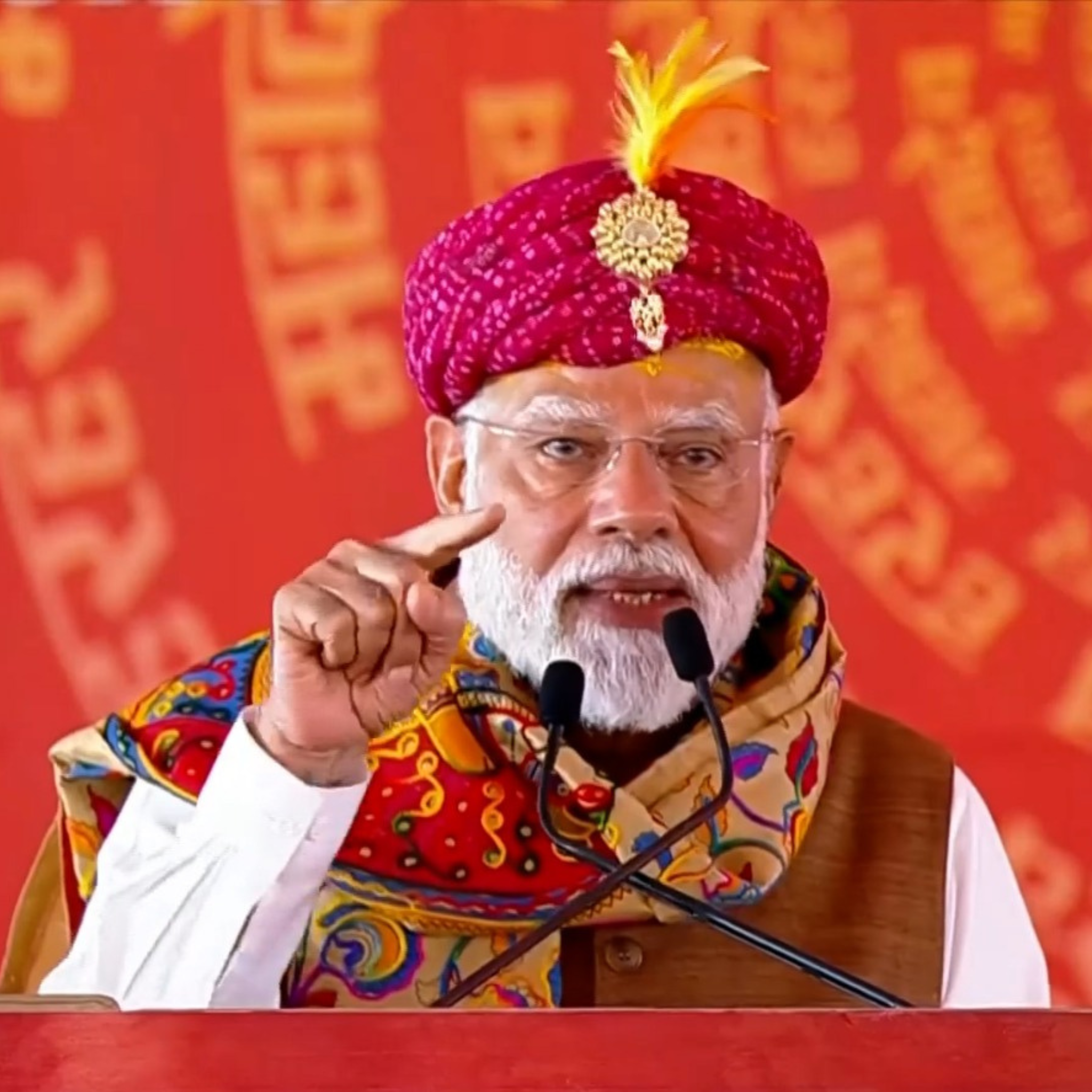
Somnath (Gujarat): Prime Minister Narendra Modi on Monday May 11, 2026 drew parallels to the 1998 Pokhran nuclear tests, asserting that no power in the world can make India bow or succumb under pressure.
Addressing a gathering here at Somnath Amrut Mahotsav, marking 75 years of the inauguration of the restored temple dedicated to Lord Shiva, he also said that “forces” in the country continue to prioritise appeasement politics over national self-respect. A similar mindset was witnessed during opposition to the construction of the Ram temple in Ayodhya, the PM noted.
“While India attained Independence in 1947, the Pran Pratishtha (consecration ceremony) of Somnath in 1951 served as a proclamation of India’s liberated consciousness,” he said.
Modi stressed that the ‘Amrut Mahotsav’ of Somnath is not merely a commemoration of the past, but it is also a festival of inspiration for India for the next thousand years.
May 11 is a significant date as it not only marks the consecration of the Somnath temple, but also India’s nuclear tests in 1998 under the leadership of then Prime Minister Atal Bihari Vajpayee, he said.
“On May 11, 1998, the nation conducted its nuclear tests. Our scientists demonstrated India’s capabilities and potential to the entire world,” Modi pointed out.
The tests “sent shockwaves across the globe” and triggered angry reactions from several countries, he said.
“Who is India to conduct nuclear tests? The world reacted with anger,” Modi said, referring to the international response following the Pokhran tests.
He said global powers then tried to isolate India through sanctions and economic pressure after the tests.
“Global powers mobilised to suppress India. Various sanctions were imposed, and every passage to avert a potential economic crisis was blocked,” the PM said.
Many countries would have succumbed under such circumstances, but India stood firm, he highlighted.
“Anyone else would have faltered. When the world’s major powers launch such a massive offensive, it becomes difficult to find a path ahead. But, we are built differently,” Modi asserted.
India went ahead with two more nuclear tests on May 13, 1998, despite mounting pressure from the international community, he noted.
“On May 11, our scientists had completed their task. However, on May 13, two more nuclear tests were conducted. This demonstrated to the world just how unwavering the political will of India truly is,” Modi said.
He praised the then Vajpayee-led government for refusing to bow to global pressure.
“At that time, India faced immense pressure from the entire world. Yet, under the leadership of Atal ji, the BJP government demonstrated that for us, the nation comes first. No power on earth can make India bow down or succumb to pressure,” he said.
Somnath reminds us that no nation can remain strong unless it is connected to its roots, the PM said.
On the occasion, Modi also released a special stamp on the completion of 75 years of the inauguration of the restored Somnath temple, located in Gujarat’s Gir Somnath district.
“Invaders attempted to erase the splendour of the Somnath temple; this temple was demolished time and again, yet it kept being rebuilt,” he said.
Some “forces” in the country continued to prioritise appeasement politics over national self-respect, Modi alleged, adding that a similar mindset was witnessed during the construction of the Ram temple in Ayodhya.
He said politics had often been played over issues linked to national pride and identity, citing the reconstruction of the Somnath temple after Independence.
“There are countless examples across the world where foreign invaders destroyed sites linked to a nation’s identity. Whenever people got an opportunity, they restored their heritage and upheld their dignity,” said the PM in his address.
“Yet, in our country, politics was played even over issues linked to national self-respect, and the Somnath temple stands as a prime example,” he added.
Modi said Sardar Vallabhbhai Patel and India’s first President Dr Rajendra Prasad made immense efforts to rebuild the temple, but faced opposition from then Prime Minister Jawaharlal Nehru.
The “forces” promoting appeasement politics were still active in the country, he said.
“We witnessed this same phenomenon during the construction of the Ram temple and the manner in which it was opposed. We must remain vigilant against such a mindset and leave this kind of parochial politics behind us,” Modi said.
“We must move forward by embracing both development and heritage in tandem. The neglect of our cultural centres has, in fact, served as an impediment to our progress,” he noted.
In India, heritage and modernity are inseparable; both go hand in hand, PM Modi added.
Earlier, PM Modi performed ‘Maha Pooja’ and other rituals at the Somnath temple as part of the Somnath Amrut Mahotsav.
Before the event, he also held a roadshow along the nearly 1.5-km route from the helipad to Veer Hamirji Circle near the temple.
A large number of people lined up to greet him. They waved flags and raised slogans as his convoy passed through the area.
Artists from different parts of the country, including West Bengal, performed traditional dances at designated spots along the route. PTI PJT PD GK
Somnath (Gujarat), May 11 (PTI) Prime Minister Narendra Modi on Monday drew parallels to the 1998 Pokhran nuclear tests, asserting that no power in the world can make India bow or succumb under pressure.
Addressing a gathering here at Somnath Amrut Mahotsav, marking 75 years of the inauguration of the restored temple dedicated to Lord Shiva, he also said that “forces” in the country continue to prioritise appeasement politics over national self-respect. A similar mindset was witnessed during opposition to the construction of the Ram temple in Ayodhya, the PM noted.
“While India attained Independence in 1947, the Pran Pratishtha (consecration ceremony) of Somnath in 1951 served as a proclamation of India’s liberated consciousness,” he said.
Modi stressed that the ‘Amrut Mahotsav’ of Somnath is not merely a commemoration of the past, but it is also a festival of inspiration for India for the next thousand years.
May 11 is a significant date as it not only marks the consecration of the Somnath temple, but also India’s nuclear tests in 1998 under the leadership of then Prime Minister Atal Bihari Vajpayee, he said.
“On May 11, 1998, the nation conducted its nuclear tests. Our scientists demonstrated India’s capabilities and potential to the entire world,” Modi pointed out.
The tests “sent shockwaves across the globe” and triggered angry reactions from several countries, he said.
“Who is India to conduct nuclear tests? The world reacted with anger,” Modi said, referring to the international response following the Pokhran tests.
He said global powers then tried to isolate India through sanctions and economic pressure after the tests.
“Global powers mobilised to suppress India. Various sanctions were imposed, and every passage to avert a potential economic crisis was blocked,” the PM said.
Many countries would have succumbed under such circumstances, but India stood firm, he highlighted.
“Anyone else would have faltered. When the world’s major powers launch such a massive offensive, it becomes difficult to find a path ahead. But, we are built differently,” Modi asserted.
India went ahead with two more nuclear tests on May 13, 1998, despite mounting pressure from the international community, he noted.
“On May 11, our scientists had completed their task. However, on May 13, two more nuclear tests were conducted. This demonstrated to the world just how unwavering the political will of India truly is,” Modi said.
He praised the then Vajpayee-led government for refusing to bow to global pressure.
“At that time, India faced immense pressure from the entire world. Yet, under the leadership of Atal ji, the BJP government demonstrated that for us, the nation comes first. No power on earth can make India bow down or succumb to pressure,” he said.
Somnath reminds us that no nation can remain strong unless it is connected to its roots, the PM said.
On the occasion, Modi also released a special stamp on the completion of 75 years of the inauguration of the restored Somnath temple, located in Gujarat’s Gir Somnath district.
“Invaders attempted to erase the splendour of the Somnath temple; this temple was demolished time and again, yet it kept being rebuilt,” he said.
Some “forces” in the country continued to prioritise appeasement politics over national self-respect, Modi alleged, adding that a similar mindset was witnessed during the construction of the Ram temple in Ayodhya.
He said politics had often been played over issues linked to national pride and identity, citing the reconstruction of the Somnath temple after Independence.
“There are countless examples across the world where foreign invaders destroyed sites linked to a nation’s identity. Whenever people got an opportunity, they restored their heritage and upheld their dignity,” said the PM in his address.
“Yet, in our country, politics was played even over issues linked to national self-respect, and the Somnath temple stands as a prime example,” he added.
Modi said Sardar Vallabhbhai Patel and India’s first President Dr Rajendra Prasad made immense efforts to rebuild the temple, but faced opposition from then Prime Minister Jawaharlal Nehru.
The “forces” promoting appeasement politics were still active in the country, he said.
“We witnessed this same phenomenon during the construction of the Ram temple and the manner in which it was opposed. We must remain vigilant against such a mindset and leave this kind of parochial politics behind us,” Modi said.
“We must move forward by embracing both development and heritage in tandem. The neglect of our cultural centres has, in fact, served as an impediment to our progress,” he noted.
In India, heritage and modernity are inseparable; both go hand in hand, PM Modi added.
Earlier, PM Modi performed ‘Maha Pooja’ and other rituals at the Somnath temple as part of the Somnath Amrut Mahotsav.
Before the event, he also held a roadshow along the nearly 1.5-km route from the helipad to Veer Hamirji Circle near the temple.
A large number of people lined up to greet him. They waved flags and raised slogans as his convoy passed through the area.
Artists from different parts of the country, including West Bengal, performed traditional dances at designated spots along the route.
(Source-PTI)

YOU MAY LIKE THIS