Reg No. - CHHBIL/2010/41479ISSN - 2582-919X

Nikhil Gupta sentenced to 19 years and 7 months in US over plot to kill Pannun
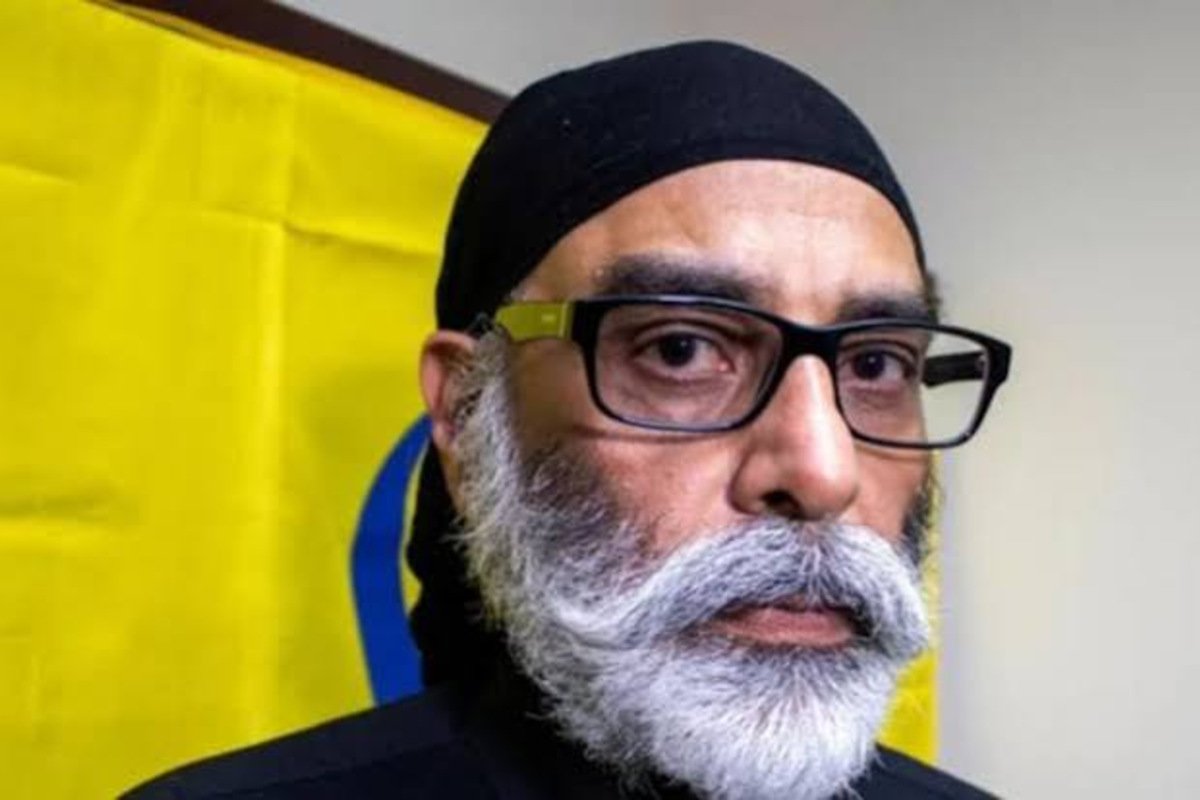
Gurpatwant Singh Pannun, the Sikh separatist leader targeted in the New York murder-for-hire plot. File photo
The Indian national pleaded guilty to three federal offences in the failed murder-for-hire plot. US prosecutors say co-defendant Vikash Yadav, who they allege directed the scheme, has yet to be arrested in the case.
Key Highlights
- Federal Judge Victor Marrero sentenced Nikhil Gupta to 235 months in prison in Manhattan on 20 November 2026. U
- Gupta pleaded guilty in February to murder-for-hire, conspiracy to commit murder-for-hire and conspiracy to commit money laundering.
- Gurpatwant Singh Pannun, the intended target, addressed the court at the sentencing hearing, where Gupta apologised to him.
New York: An Indian national who admitted his role in a plot to kill Sikh separatist leader Gurpatwant Singh Pannun in New York was sentenced on Friday, 20 November, to 235 months in a US federal prison. District Judge Victor Marrero imposed the sentence of 19 years and seven months on Nikhil Gupta, 55, at a hearing in Manhattan attended by Pannun.
Gupta had pleaded guilty in February 2026 to murder-for-hire, conspiracy to commit murder-for-hire and conspiracy to commit money laundering. The court also imposed a $300 special assessment. Marrero said Gupta faces deportation to India after serving his prison term.
Gupta apologises as Pannun addresses the court
Gupta addressed Pannun directly at the hearing. “I’m sorry to Mr. Pannun,” he said. He also apologised to the communities affected by his conduct and to his family, who followed the proceedings remotely from India. Pannun used his remarks to describe the threats he says he has faced while campaigning for an independent Sikh state.
The prison term fell between the 144 months recommended by the US probation office and the 293 months sought by prosecutors. US Attorney Jamie McDonald said the sentence reflected the seriousness of the offence and the ability of US authorities to pursue a case involving conduct planned abroad and directed at a person on American soil.
How the US investigation unfolded
Federal prosecutors say the scheme began in 2023, when Vikash Yadav, whom they identify as an employee of India’s Cabinet Secretariat at the time, recruited Gupta to arrange Pannun’s killing. Gupta sought help from someone he believed to be a criminal contact. That person was working as a confidential source for the US Drug Enforcement Administration and put Gupta in touch with an undercover officer posing as a contract killer.
According to US court filings, Gupta helped broker an agreement to pay $100,000 for the killing, and an associate delivered a $15,000 advance to the undercover officer in June 2023. The involvement of the undercover officer enabled investigators to document the scheme before it could be carried out. Pannun survived.
Czech authorities arrested Gupta on 30 June 2023 at Washington’s request. He was extradited to the United States in June 2024. His guilty plea in February 2026 resolved the charges against him without a trial and brought the case to Friday’s sentencing.
Charges against Yadav remain pending
The US Justice Department says Yadav is charged in the same federal case and had yet to be arrested in connection with those charges as of 20 November. Gupta’s guilty plea establishes his own criminal responsibility. The prosecution’s allegations about Yadav’s role remain unresolved in court
The sentencing also touched on the killing of Sikh separatist leader Hardeep Singh Nijjar outside a gurdwara in British Columbia in June 2023. US prosecutors cited messages Gupta sent after Nijjar’s death as part of their account of the Pannun plot. Gupta’s lawyer denied that he was involved in Nijjar’s killing or in any other assassination attempts. Friday’s sentence concerned the three federal offences in the Pannun case.
Why the case has strained US–India relations
Pannun, a lawyer and dual US–Canadian citizen, is associated with Sikhs for Justice and advocates for Khalistan, a proposed independent Sikh state. India has banned the organisation. The case acquired diplomatic significance when US prosecutors alleged that an Indian government employee had directed a plot to kill Pannun on American soil. India has denied involvement in such plots and announced a high-level inquiry after the US allegations became public in 2023.
Gupta’s sentencing closes the trial-court proceedings on his guilty plea. The federal charges against Yadav remain pending, leaving the US government’s allegations about who directed the scheme open for adjudication.