Reg No. - CHHBIL/2010/41479ISSN - 2582-919X

Modi arrives in Manila for ASEAN–India and East Asia summits, with maritime security in focus
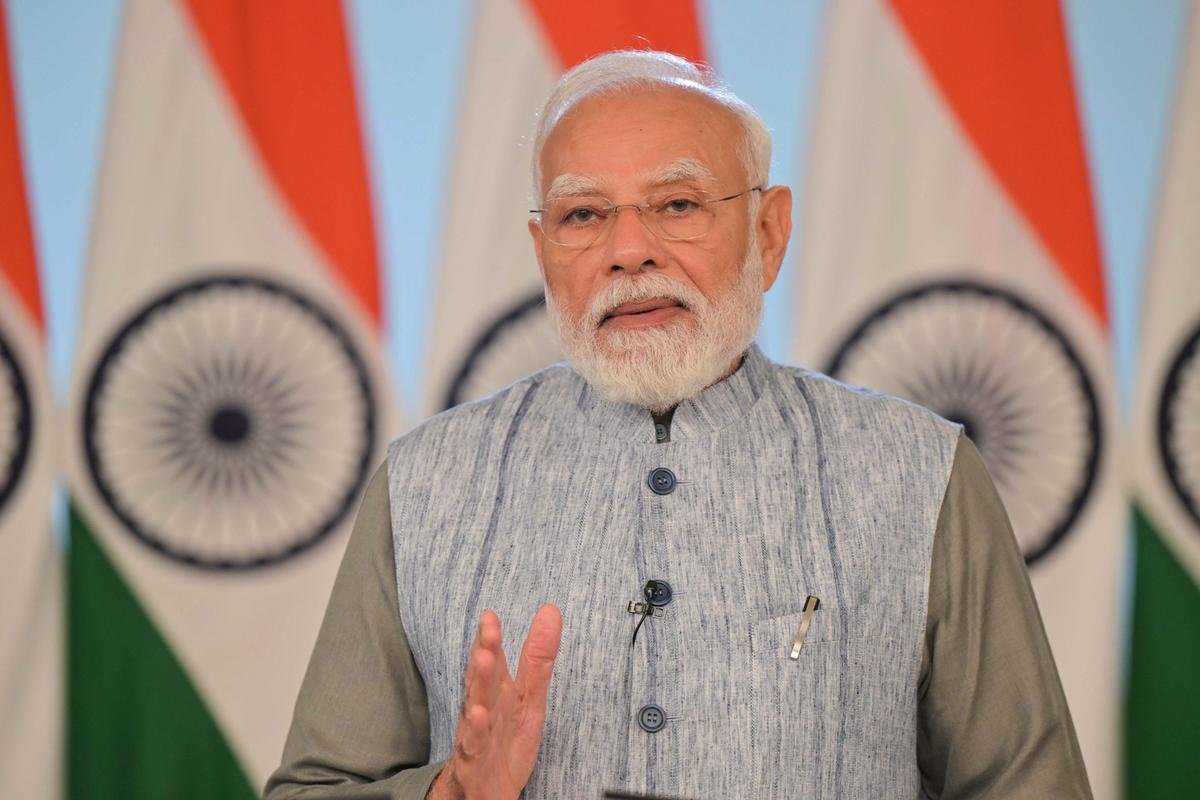
Prime Minister Narendra Modi in a file photograph. He arrived in Manila, Philippines, on 16 November 2026 for the 23rd ASEAN–India Summit and the 21st East Asia Summit.
India will review its five-year partnership plan with ASEAN and discuss Indo-Pacific security at the East Asia Summit. The visit also gives New Delhi a chance to advance talks on trade, shipping and regional connectivity.
Key Highlights
- Prime Minister Narendra Modi arrived in the Philippines on 16 November 2026 at the invitation of President Ferdinand R. Marcos Jr. Both summits are scheduled for 17 November.
- The 23rd ASEAN–India Summit will review the Comprehensive Strategic Partnership and its 2026–2030 Plan of Action.
- The 21st East Asia Summit gives India a forum to discuss regional security with ASEAN and a wider group of partners, including the US, China, Japan and Russia.
- A separate Quad leaders’ meeting is scheduled on the sidelines, according to the White House.
Manila: Prime Minister Narendra Modi arrived in the Philippines on Monday for two regional summits that give India a chance to advance its economic partnership with Southeast Asia and make its case for secure sea routes in the Indo-Pacific. The Philippines, which holds the ASEAN chair this year, will host both meetings on Tuesday. Modi is visiting at the invitation of Philippine President Ferdinand R. Marcos Jr. and also plans to meet members of the Indian community.
“Our relationship with ASEAN countries is at the heart of India’s Act East Policy and occupies a central place in our MAHASAGAR vision,” Modi said before leaving for Manila. He identified maritime security, trade, connectivity and technology as areas where the partnership has expanded.
Why India is going to both summits
The ASEAN–India Summit is where New Delhi and the Southeast Asian bloc will review progress on commitments they have already made. The 2026–2030 Plan of Action covers trade, maritime cooperation and connectivity, among other areas. The review comes ahead of two milestones in 2027, when India and ASEAN will mark 35 years of dialogue relations and five years of their Comprehensive Strategic Partnership. For India, the Manila meeting is an opportunity to turn the five-year plan into projects with clear responsibilities and timelines.
The East Asia Summit has a wider remit. It brings ASEAN members together with India, China, Japan, South Korea, Australia, New Zealand, the US and Russia. That gives New Delhi a forum to raise issues such as maritime stability with countries whose interests and positions differ. Modi said he would use the meeting to discuss peace, stability and cooperation in the Indo-Pacific.
What closer maritime cooperation could mean
India and ASEAN are observing 2026 as the Year of Maritime Cooperation. Their action plan backs freedom of navigation, unimpeded commerce and peaceful settlement of disputes under international law, including the UN Convention on the Law of the Sea. It also identifies practical areas for cooperation, including search and rescue, disaster response, early warnings and information-sharing on activity at sea.
For India, the practical value would come from what agencies can do together after the summit. Better information-sharing could help maritime authorities spot emerging threats to commercial vessels. Joint exercises and agreed procedures could help coastguards and rescue services respond more quickly to emergencies. The Philippines is a natural partner for that work. Manila and New Delhi elevated their bilateral ties to a strategic partnership in August 2025, with maritime security and defence among the areas identified for closer cooperation.
What businesses could gain from the trade talks
The ASEAN–India plan calls for accelerating the review of the ASEAN–India Trade in Goods Agreement and exploring ways to exchange trade documents electronically. The two proposals address different costs for businesses. Simpler trade rules could make it easier for eligible exporters to claim preferential treatment, while electronic paperwork could reduce time spent processing shipments. The plan also calls for closer coordination to identify supply-chain vulnerabilities.
For Indian manufacturers selling into Southeast Asia or sourcing components from the region, the effects would depend on the rules governments agree to and how customs authorities apply them. The summit can move the review forward. Businesses would see the benefit once revised procedures or commitments take effect.
Quad talks add a separate security discussion
The White House said US President Donald Trump would meet the other Quad leaders in Manila on Tuesday evening. The meeting brings together India, the US, Australia and Japan. Reuters reported that critical minerals and the safety of commercial shipping lanes were expected to feature. For India, the meeting offers a chance to discuss practical cooperation with those three partners alongside its broader engagement with ASEAN and the East Asia Summit.
The first signs of an effect from Manila will be specific commitments backed by dates. Progress could take the form of a timetable for the trade review, a maritime exercise or a mechanism for sharing information at sea. Those details would show which priorities are moving from the summit agenda into day-to-day cooperation.