Reg No. - CHHBIL/2010/41479ISSN - 2582-919X

Farmers in Jashpur Are Carving a Unique Niche in Agriculture
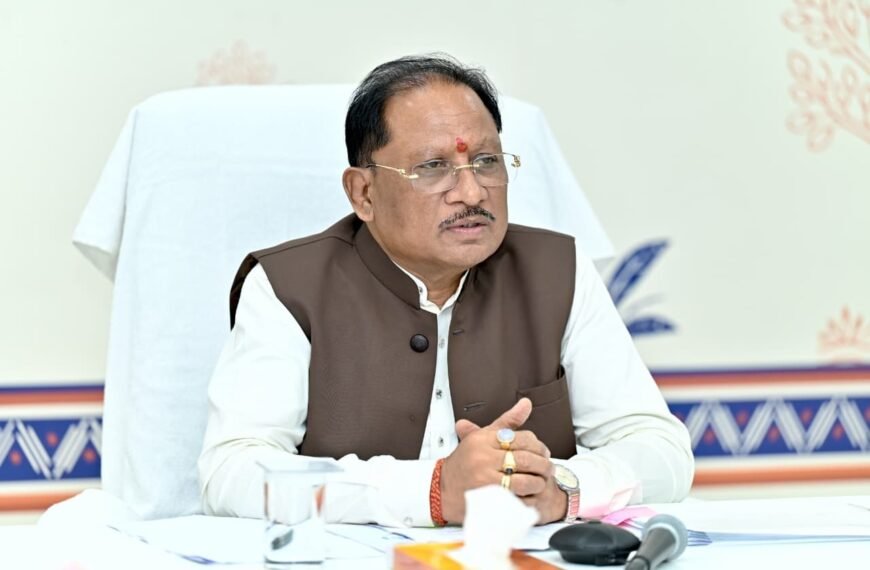
Recognising the favorable environment in Jashpur for horticultural crops, Chief Minister Vishnu Deo Sai has been consistently encouraging farmers to cultivate horticultural and cash crops-Photo Credit-CG/PR
In Short
Shifting Focus from Traditional Crops to Horticulture and Cash Crops
After Tea, Pears, Litchis, and Strawberries, They Are Now Venturing into Apple Cultivation
Raipur: Jashpur has long been renowned for its crop diversity. Farmers in the region are now placing a strong emphasis on horticulture and cash crops alongside their traditional crops.
Recognising the favorable environment in Jashpur for horticultural crops, Chief Minister Vishnu Deo Sai has been consistently encouraging farmers to cultivate horticultural and cash crops.
Acting on Chief Minister Sai’s directives, the local district administration, NABARD, and the Department of Horticulture are making special efforts in this direction. Farmers are being provided with specialized training and technical guidance for cultivating horticultural crops. Thanks to these coordinated efforts, over the past two to two-and-a-half years, local farmers have begun shifting their interest from traditional crops to horticulture and cash crops.
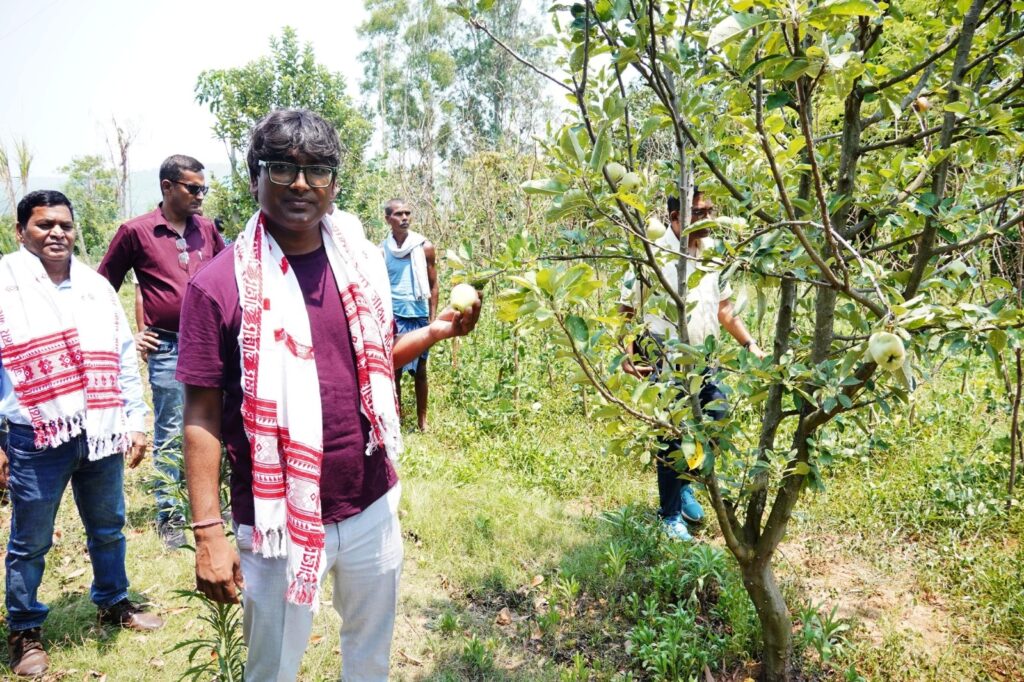
Farmers in Jashpur are now establishing apple orchards alongside their existing plantations of tea, litchis, strawberries, and pears-Photo Crtedit CG/PR
Through the coordinated efforts of the district administration, the Department of Horticulture, the Rural Education and Development Society (READS), and NABARD, Jashpur has established a new identity for itself in the fields of fruit production and horticulture. These initiatives have bolstered the incomes of local farmers and strengthened the region’s agrarian economy.
Apple production in Jashpur commenced in the year 2023. Apple cultivation has now expanded across approximately 410 acres, involving around 410 farmers. The apple trees planted in the district’s Manora and Bagicha development blocks—as well as in Panchayats such as Shaila, Chhatouri, Kardana, and Chhichhali—have yielded fruit of exceptional quality and size this year. Local farmers attest that, in terms of taste and quality, Jashpur’s apples are on par with those from Kashmir and Himachal Pradesh. Rajesh Gupta, President of the Rural Development and Development Society, stated that 410 farmers in Jashpur district are currently cultivating apples on one acre of land each.
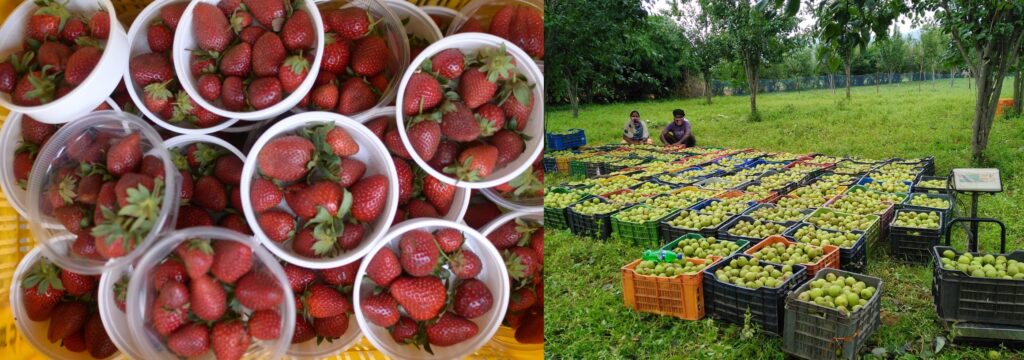
Farmers in Jashpur are now establishing apple orchards alongside their existing plantations of tea, litchis, strawberries, and pears-Photo Crtedit CG/PR
Similarly, pear orchards in the district span approximately 3,500 acres, where over 3,500 farmers are engaged in pear cultivation. Pear farming is being undertaken in various areas of the district, including Sanna, Pandrapath, Kanwai, Mahua, Sonkyari, Manora, Dhawaipai, and Gidha. From these locations, the pears are packed and dispatched to other states, including Delhi, Uttar Pradesh, and Odisha. The annual production of pears has reached approximately 175,000 quintals. Farmers are earning an annual income of approximately ₹100,000 to ₹150,000 per acre from pear cultivation.
According to officials from the Horticulture Department, schemes under the National Horticulture Mission—such as training, technical assistance, and market access initiatives—have enabled farmers to become self-reliant and achieve economic empowerment through crop diversification.
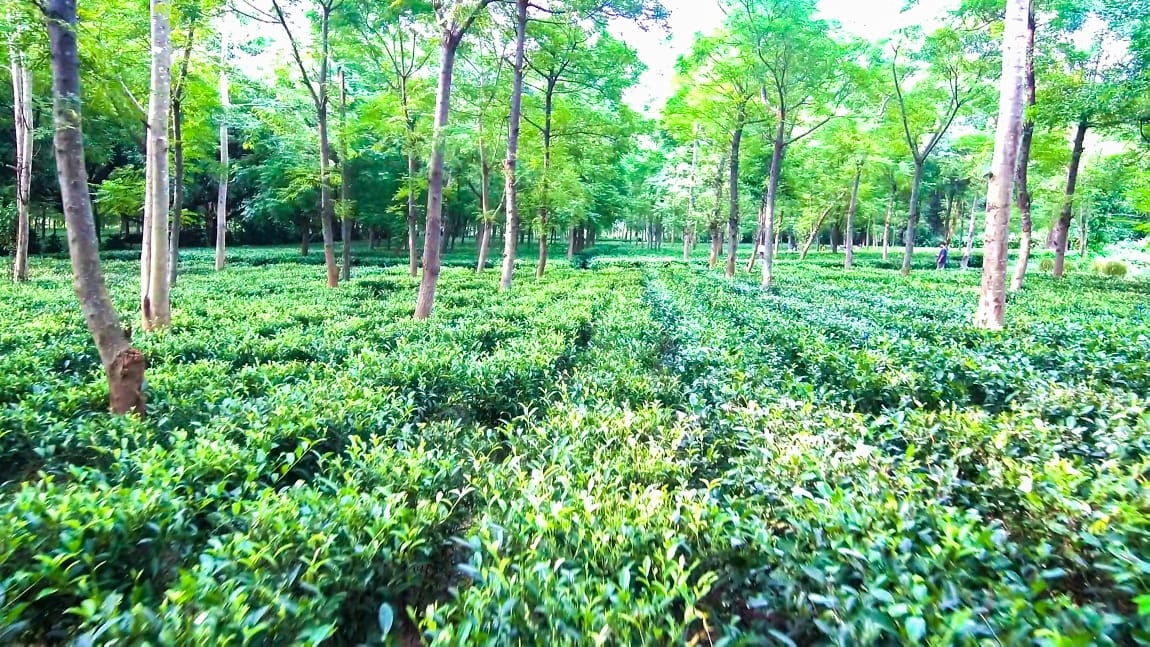
Tea cultivation has long been established in Jashpur, and the quality of the tea leaves produced here is excellent. Now, with the successful development of apple and pear production, Jashpur has not only established itself as a hub for new markets but has also witnessed a remarkable improvement in the standard of living of local farmers. There are plans to further expand the scope of these crops in the future.

YOU MAY LIKE THIS