Reg No. - CHHBIL/2010/41479ISSN - 2582-919X

A New Portrait of a Changing Bastar: From the Shadow of the Gun to the Shelter of Good Governance
In Short
- Collector and CEO Arrive on Motorcycles in Villages That Were Once Naxal Strongholds
- Gifts of Development Presented to Villagers in the Inaccessible Hamlets of Mailasur, Danteshpuram, Gachanpalli, and Burkalanka
- Immediate Approval Granted for the Construction of Schools, Hospitals, Roads, and Bridges
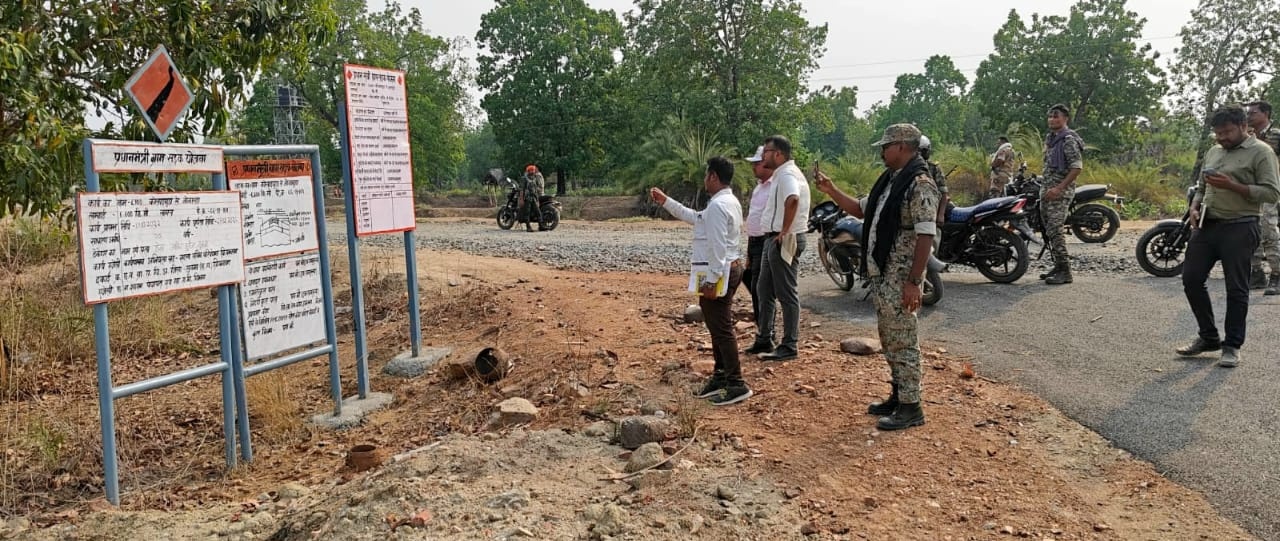
Raipur: The darkness of fear and neglect that once shrouded the remote forest tracts of Bastar has now begun to lift. This transformation is vividly captured in recent images from Sukma, where the district’s top officials—disregarding the challenges of treacherous terrain—are personally reaching out to the people at their very doorsteps. Collector Amit Kumar and District CEO Mukund Thakur undertook a historic tour of the Konta development block, on Saturday May 23, 2026 visiting villages that were once deeply affected by Naxal insurgency and remained largely inaccessible—including Bhejji, Mailapur, Danteshpuram, Burkalanka, Gachanpalli, Bodrajpadar, and Dabbakonta.
As the officials’ convoy navigated the rugged, rocky paths of these villages—which had remained cut off from the mainstream for years—traveling on motorcycles, the journey became far more than a mere administrative inspection; it evolved into a mission to instill unwavering faith in the administrative machinery within the hearts of the villagers. For the first time since India’s independence, the faces of the villagers lit up with joy upon finding a District Collector amidst them.
Dialogue at the Village Square and Appreciation for the ‘Good Governance Complex’
The officials conducted a detailed inspection of the ‘Good Governance Complex’ currently under construction in Burkalanka. Collector Amit Kumar offered unreserved praise for the complex—situated in a village nestled deep within dense, inaccessible forests—describing it as truly inspiring. This multi-purpose complex houses a school, an Anganwadi center, a Panchayat building, a Public Distribution System (PDS) center, and a community hall—all enclosed within a single boundary wall.
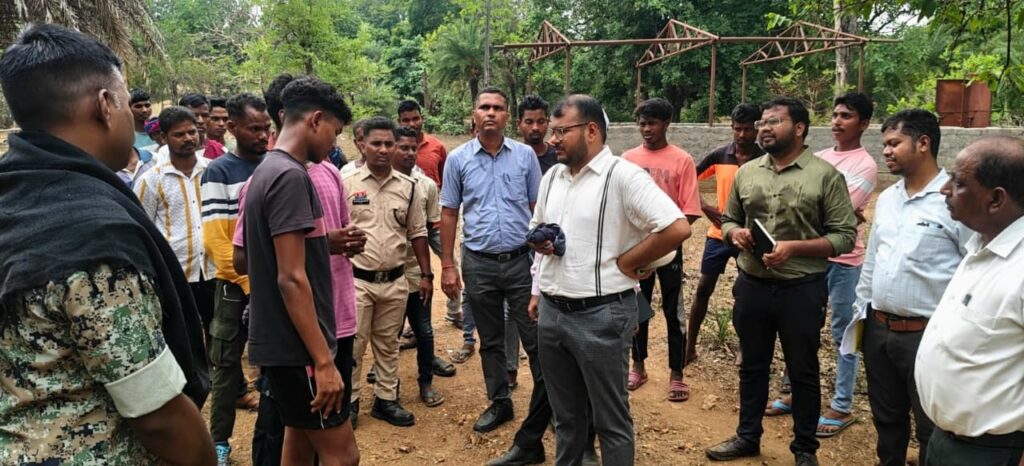
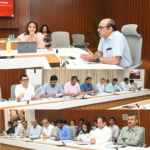
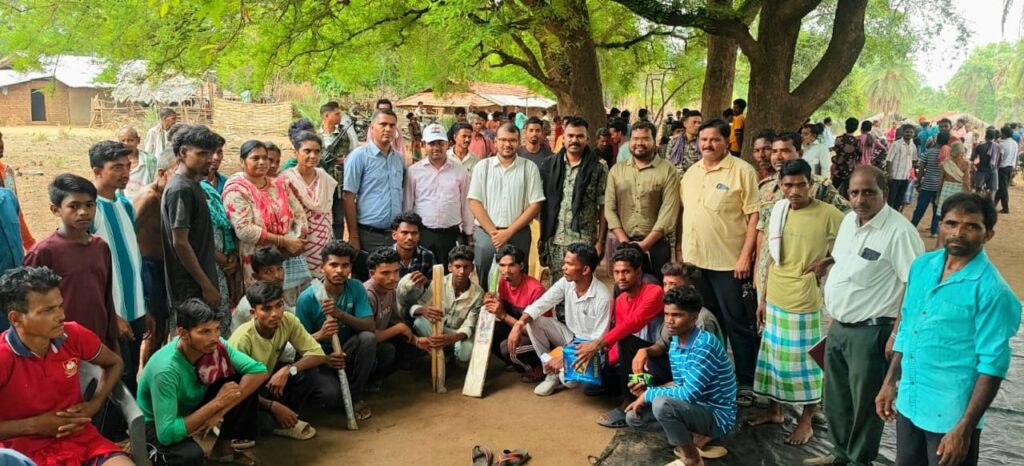
It stands as an exemplary model for providing villagers with access to all essential amenities under one roof. During the Good Governance Camp held in Mailasur Panchayat, officials sat on the ground to engage in direct dialogue with the Sarpanch, Patel, Mukhiya, and villagers; they gained firsthand insight into the ground-level reality of government schemes and reiterated their resolve to ensure the timely completion of ongoing construction projects.
Major Initiatives in the Sectors of Health and Education
The administration’s primary focus remained on the health of the villagers and the education of their children. Demonstrating a sensitive and proactive approach, the Collector granted administrative approval for a Sub-Health Center in Bhejji Panchayat, while issuing directives to immediately identify a suitable site for a similar facility in Mailasur. In Gachanpalli, approval was granted for the construction of staff quarters for health workers to ensure the availability of round-the-clock medical care. To strengthen the cause of education, the Education Department was strictly instructed to ensure the completion of the primary school building currently under construction in Danteshpuram before the onset of the monsoon season; furthermore, a strict stance was adopted regarding the attendance of teachers in schools located in remote and interior areas.
A New Lease on Life for Drinking Water, Livelihoods, and Agriculture
To foster prosperity and self-reliance within the villages, the Collector opened up new avenues for livelihood generation. Responding to the demands of villagers in Mailasur and Danteshpuram, ponds were identified to promote pisciculture (fish farming), and directives were issued to provide fish seeds to the villagers.
To alleviate water scarcity, major approval was granted for the construction of a new dam and pond in Danteshpuram, alongside instructions to the CREDA department to construct a water tank. Immediate approval was granted for the installation of new hand pumps and borewells to resolve the drinking water crisis in Mailasur and Bodrajpadar.
The PHE Department was issued clear directives to ensure that water supply commences immediately—without any delay—in all villages where work under the ‘Jal Jeevan Mission’ has been completed; furthermore, in areas where the work remains unfinished, they were instructed to expedite the process to ensure the provision of clean drinking water to the villagers.
Collector Amit Kumar remarked that the construction of ‘Good Governance Complexes’ and basic infrastructure in remote and inaccessible villages is, indeed, truly inspiring. The Collector stated that our primary objective is to extend the pace of development to these remote villages situated at the very periphery, which have now been liberated from the influence of Naxalism. Prior to the onset of the monsoon, all construction works—including schools, hospitals, roads, bridges, culverts, and projects associated with the Jal Jeevan Mission—will be completed within the stipulated timeframe and to the highest standards of quality, thereby ensuring that the direct benefits of government schemes reach every single villager, he added.
Roads to Connect Hearts and Pathways; Pace of Development to Accelerate
The inaccessible routes that have long stood as the greatest impediment to the development of Bastar are now set to gain the strength and durability of paved roads. The Collector issued strict directives to departmental officials to immediately prepare a proposal under the Pradhan Mantri Gram Sadak Yojana (PMGSY) and initiate necessary action to connect the villages of Bodrajpadar, Mailasur, Danteshpuram, Gachhanpalli, and Burkalanka to the main road network.
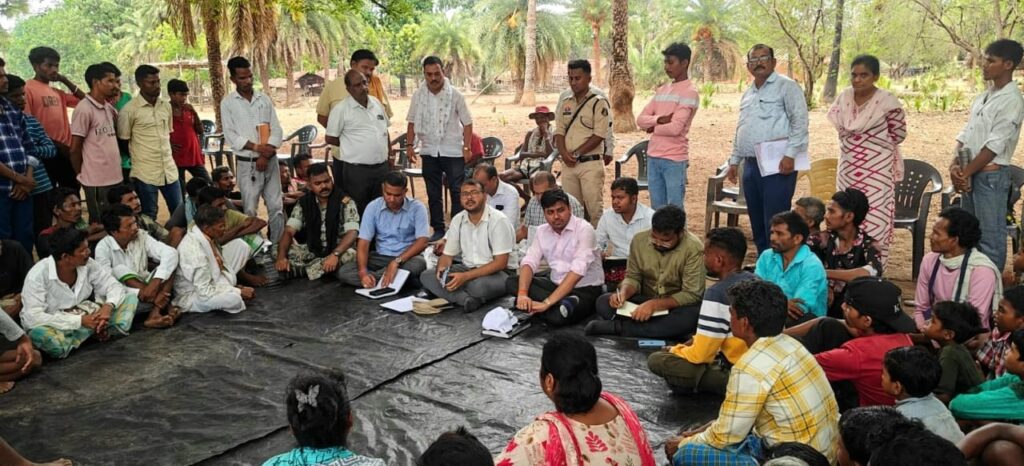
Additionally, the Rural Engineering Service (RES) Department inspected the Ashram (residential school) currently under construction in Dabbakonta. This administrative journey—which began on the wheels of motorcycles—has now scripted a new chapter of development in these remote regions of Sukma, proving that following the eradication of Naxalism, Bastar is no longer defined by the gun, but rather by good governance and prosperity.
Present at the site during the Collector’s inspection were SDM Konta Subhash Shukla, Janpad CEO Sumit Dhruv, Additional SP . Manoj Tirkey, PMGSY Executive Engineer Ravindra Tati, Women and Child Development Officer Ritish Tandon, and BMO . Deepesh Chandrakar, along with other district officials.

YOU MAY LIKE THIS