Reg No. - CHHBIL/2010/41479ISSN - 2582-919X

CJP Leaders Saurav Das, Ashutosh Ranka Sent to Tihar Jail for Five Days Over Jantar Mantar Trespass Allegations
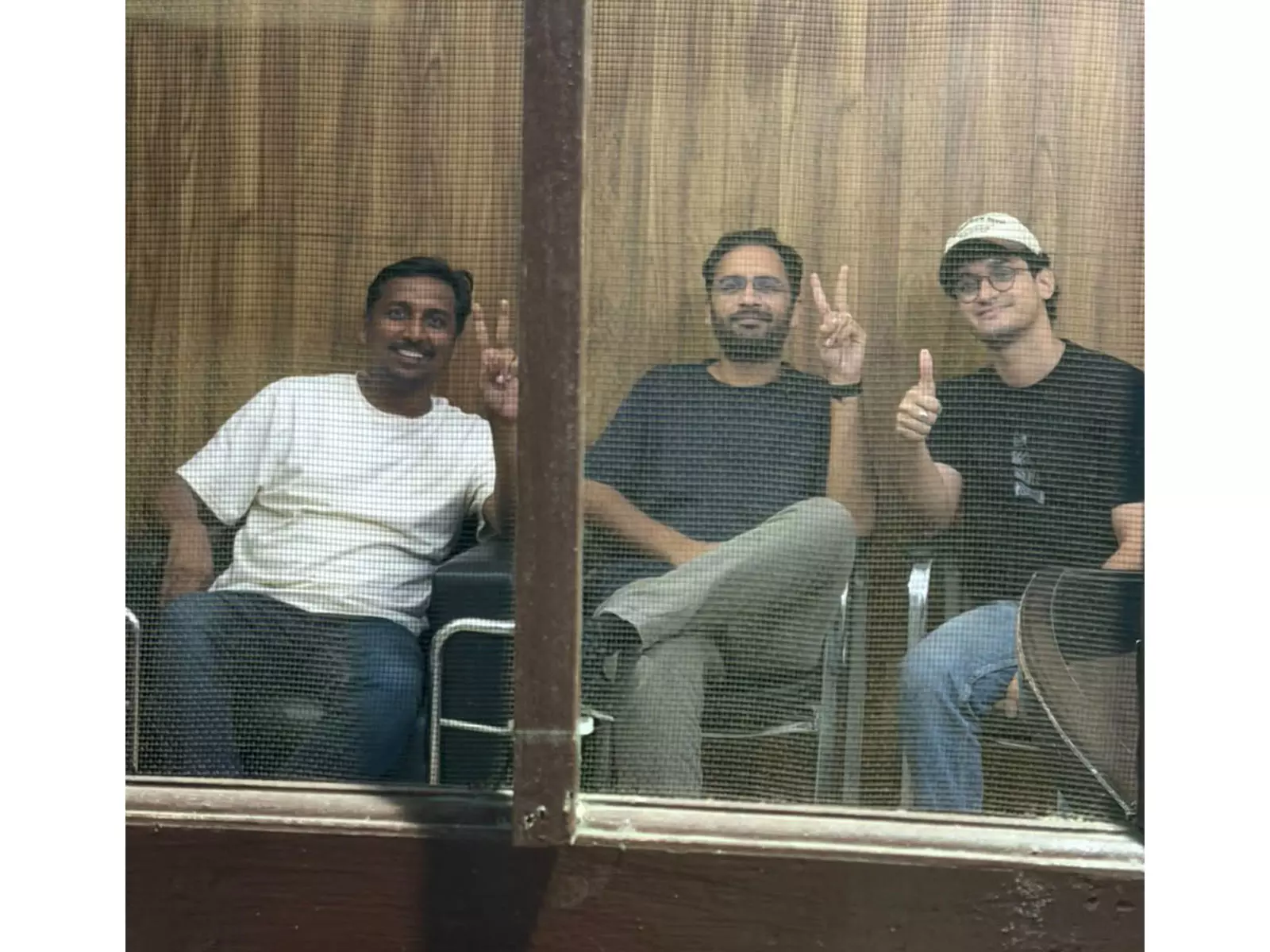
Cockroach Janta Party (CJP) activists Saurav Das, Ashutosh Ranka and Ajinkya Shinde are seen inside Parliament Street Police Station in New Delhi following their detention over the Jantar Mantar protest on Tuesday, October 13, 2026. Das and Ranka were subsequently remanded to five days of judicial custody on Wednesday, October 14, amid allegations of trespassing and violating peace bond conditions. Photo: primelookindia.com via X.com
Cockroach Janta Party activists face judicial custody over alleged violation of peace bonds; associate Ajinkya Shinde awaits completion of bail formalities
Key Highlights
- CJP leaders Saurav Das and Ashutosh Ranka reportedly sent to five-day judicial custody on Wednesday, October 14, 2026.
- Police sources allege that the activists violated peace bonds and entered Jantar Mantar despite restrictions on protests.
- Associate Ajinkya Shinde’s bail bond formalities were reportedly being finalised.
- All three activists appeared before an Executive Magistrate at Parliament Street.
New Delhi: Two leaders of the Cockroach Janta Party (CJP), Saurav Das and Ashutosh Ranka, were reportedly sent to five-day judicial custody and lodged in Tihar Jail on Wednesday following allegations of violating peace bonds and entering the Jantar Mantar area in the national capital. Their associate, Ajinkya Shinde, was also produced before an Executive Magistrate, while formalities concerning his bail bond were being completed, according to police sources cited in the initial report.
Judicial Action Follows Alleged Violation of Peace Bonds
The action against the CJP activists reportedly followed allegations that they breached conditions imposed under previously executed peace bonds.
According to the police account, the activists entered Jantar Mantar despite restrictions on its use as a designated protest area.
The authorities reportedly treated the alleged violation as grounds for initiating proceedings before the Executive Magistrate.
However, the precise conditions of the peace bonds, the relevant legal provisions and the circumstances surrounding the alleged trespass were not detailed in the information available.
Two Activists Lodged in Tihar Jail
Following their appearance before the Executive Magistrate on Wednesday morning, Das and Ranka were reportedly ordered to remain in custody for five days.
Their associate, Ajinkya Shinde, was also produced before the magistrate, although police sources indicated that his bail bond formalities were still being finalised.
The reported proceedings raise questions about the application of preventive legal measures to political activists and the distinction between restrictions imposed to maintain public order and the constitutional right to peaceful assembly.
Jantar Mantar and the Right to Peaceful Protest
Jantar Mantar has historically occupied an important place in India’s democratic culture, serving as a prominent location for demonstrations, public campaigns and political mobilisation.
Restrictions governing assemblies in the national capital have repeatedly brought questions of public order, police authority and freedom of expression into public debate.
Under Article 19 of the Constitution, citizens enjoy the right to freedom of speech and expression and the right to assemble peacefully without arms, subject to constitutionally permitted restrictions.
Any alleged breach of such restrictions must therefore be examined within the applicable legal framework and established procedures.
Legal Proceedings and Further Developments Awaited
The reported detention of the two CJP leaders is expected to draw attention to the circumstances in which the activists entered Jantar Mantar and the legal basis of the custody order.
The activists’ detailed response to the allegations, the magistrate’s written order and any subsequent legal challenge were not available in the information provided.
The allegations against the activists should not be interpreted as a judicial finding of guilt.

YOU MAY LIKE THIS