Reg No. - CHHBIL/2010/41479ISSN - 2582-919X

Mann Ki Baat: A Delhi youth recounts his recovery from drug addiction as Modi urges action on cyber fraud: Video
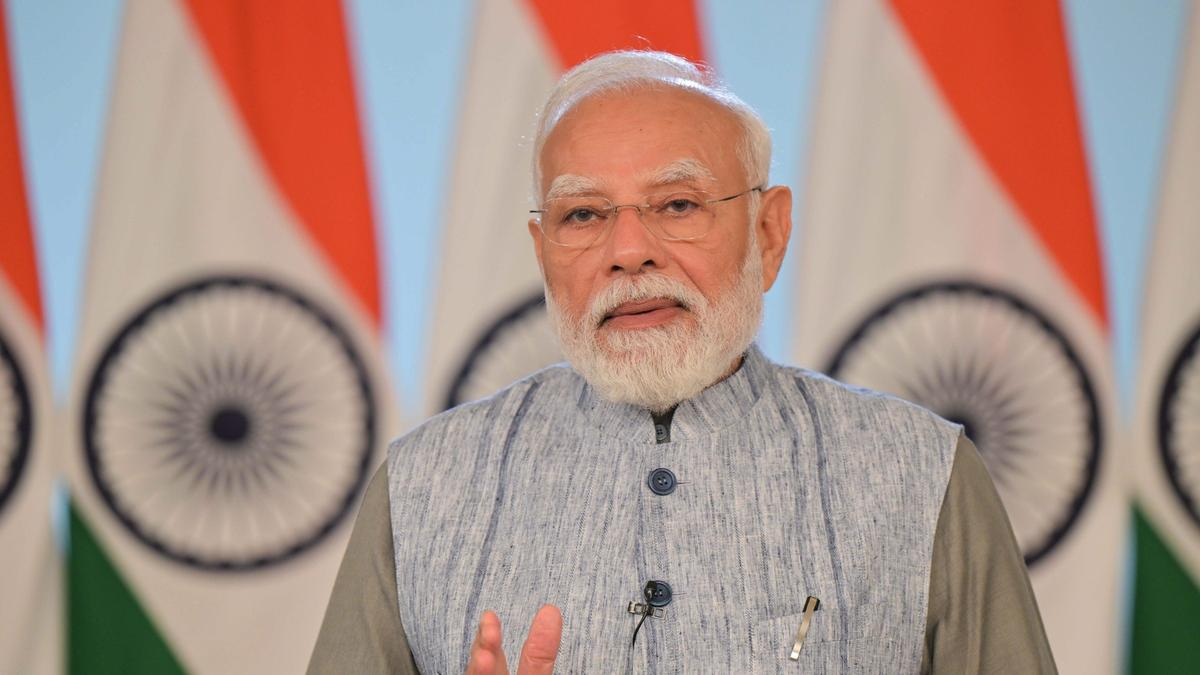
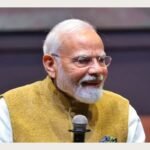
Prime Minister Narendra Modi in a file photo. In the 140th episode of Mann Ki Baat on 29 November 2026, a young man from Delhi tells Modi about the nights he spent on the streets and the setbacks he faced as he worked to recover from drug addiction. Photo Credit: PTI
In the 140th episode, the Prime Minister also discusses civil service training, India’s museums and food exports, sporting achievements, and the work of a Canadian food bank. He pays tribute to artist Sobha Singh and constitutional adviser B.N. Rau.
Key Highlights
- A young man from Delhi tells Modi how bereavement and homelessness complicated his recovery from drug addiction, and how a rehabilitation centre helped him return to treatment after repeated relapses.
- Modi says Sanchar Saathi has helped return more than 14 lakh lost mobile phones and prevent potential fraud losses exceeding ₹5,000 crore.
- The Prime Minister highlights more than 7,000 courses in 17 Indian languages on iGOT Karmayogi and calls attention to museum projects in Patna and Vadnagar.
- The broadcast covers Erode’s palm jaggery exports, camel-milk products from Kutch, the 100th edition of Sundays on Cycle and the upcoming Khelo India Youth Games in Telangana.
- Modi highlights a food bank serving about 60,000 people each month in Canada and pays tribute to Sobha Singh and B.N. Rau.
- Chhattisgarh: The state was not specifically mentioned in the full transcript of the 29 November broadcast.
New Delhi: A young man who began taking drugs while in Class 10 told Prime Minister Narendra Modi that one of the hardest questions he faced each time he left rehabilitation was where he would go. He had lost his mother and grandmother, had spent nights on Delhi’s streets and often found himself returning to the same circle of acquaintances. In the opening conversation of the 140th Mann Ki Baat on 29 November 2026, he described how a rehabilitation centre kept giving him another chance to recover.
Grief, homelessness and the road back to treatment
The young man recalled spending part of his childhood near Delhi’s Sadar Bazaar, where his grandmother lived. He said he had watched older pupils at school and begun experimenting with drugs in Class 10. As his dependence grew, he asked his family for money for books, school fees or a picnic and spent it on drugs.
His father had died when he was young. After the deaths of his mother and grandmother, he found himself without a place to live. He recalled emptying potato sacks to sleep in during winter and relying on community meals and langars for food.
He eventually sought treatment at a centre run by the Society for the Promotion of Youth and Masses in Vasant Kunj. He relapsed after leaving, and the centre called him back. When staff asked what had brought him back to drugs, he explained that he had nowhere to stay and felt alone. That uncertainty repeatedly took him back to people from his earlier life.
Addressing young people facing similar circumstances, he said, “Our life is precious,” and spoke about how the consequences of addiction reach the entire family. Modi congratulated him on his recovery and encouraged him to keep sharing his experience with others who might be struggling.
Sanchar Saathi and the value of reporting a suspicious call
Modi turned to mobile phone theft and cyber fraud, using the example of a caller who asks for a one-time password. A person who recognises the scam may hang up safely, he said, but reporting the number could help protect the next person the caller targets.
He cited Himanshu Singh of Pune and Vivek Alhari of Nellore, Andhra Pradesh, as examples of citizens who reported hundreds of suspicious numbers through Sanchar Saathi. Modi said their reports helped authorities disconnect thousands of mobile connections.
The Prime Minister also explained how a phone’s International Mobile Equipment Identity, or IMEI, can be used to request a block through the platform after a police complaint. He said more than 14 lakh lost phones had been recovered and returned to their owners, and that coordination among banks, payment apps, telecom companies and police had helped prevent more than ₹5,000 crore in potential fraud losses.
Government employees turn to online learning
Modi spoke about government employees taking up new subjects alongside their regular duties, including some who had already spent 20 to 25 years in public service. He said the iGOT Karmayogi platform offered more than 7,000 courses in 17 Indian languages, with subjects ranging from artificial intelligence to Indian Sign Language.
He highlighted the participation of ASHA and anganwadi workers, teachers, police personnel, health workers and sanitation staff. These are among the public employees citizens encounter most often, he said, linking their training to the quality of services people receive.
Museums in Patna and Vadnagar, and Indian art in Venice
Urging families to include museums in their travel plans, Modi singled out the Bihar Museum in Patna. He said it had placed ninth in an international list of 100 museums and was the highest-ranked Asian museum on that list.
He also drew attention to the archaeological museum in Vadnagar, Gujarat, which was built at the site of excavations. Visitors can see parts of the excavated area from a walkway, and the museum displays more than 5,000 artefacts, he said. He noted that it had received a Red Dot design award and reflected on his ties to Vadnagar, where he was born, and Varanasi, which he represents in Parliament.
On the arts, Modi said about 4.5 lakh people had visited India’s pavilion at the Venice Art Biennale and that it had topped a visitors’ vote. He also invited families to attend the India Biennale, which he said would open in Delhi in the first week of December and run for 108 days, with monuments, museums and galleries taking part.
From Erode’s palm jaggery to Kutch’s camel-milk chocolate
The Prime Minister highlighted organic palmyra jaggery from Erode, Tamil Nadu, which he said had reached the European market for the first time. He also said exports of Indian chocolate and cocoa products had grown by about 25 per cent in the previous year and pointed to entrepreneurs experimenting with local ingredients.
In Gujarat’s Kutch region, he said, Amul uses milk supplied by camel herders in products including chocolate, saffron-flavoured milk and ice cream. He cited Sarhad Dairy as an example of rising demand, saying its daily collection of camel milk had increased from 1,300 litres to about 5,500 litres. He also mentioned Surat’s Schmitten chocolate while discussing Indian confectionery brands reaching wider markets.
Cycling, sporting milestones and a winter fitness appeal
Modi said Fit India’s Sundays on Cycle had reached 100 editions since its launch in December 2024, drawing about 37 lakh participants across more than 30,000 locations. He also said Pune would host the 2032 UCI Road World Championships.
The sporting roundup included India’s 10th SAFF football title, badminton player Lakshya Sen’s victories in Germany and Japan, and P.V. Sindhu’s Hylo Open title. Modi wished athletes well ahead of the eighth Khelo India Youth Games, which he said would be held in six Telangana cities from 11 to 22 December.
He closed the fitness segment by urging listeners to keep exercising through winter and renewing his appeal to households to reduce the amount of cooking oil they use by 10 per cent.
Community service abroad and tributes at home
Turning to the Indian diaspora, Modi highlighted the Sai Dham Food Bank in Canada, which he said helps about 60,000 people each month across Greater Toronto and Hamilton, including older people and people with disabilities. He also spoke about Red FM’s Kulwinder Sanghera, who uses community radio to connect listeners with charitable work inspired by Guru Nanak Dev’s teachings.
Modi recalled attending a shabad kirtan in Delhi for Prakash Parab and marked the 125th birth anniversary of artist Sobha Singh, whose portraits of the Sikh Gurus are widely recognised. He referred to a commemorative coin issued in the painter’s honour.
In the closing minutes, the Prime Minister paid tribute to B.N. Rau ahead of his death anniversary on 30 November. Coming shortly after Constitution Day, the tribute recalled Rau’s role as constitutional adviser and his contribution to preparing the framework of India’s Constitution.

YOU MAY LIKE THIS