Reg No. - CHHBIL/2010/41479ISSN - 2582-919X

Delhi Electoral Roll Revision: 20 Lakh Discrepancies Resolved, Says Chief Electoral Officer
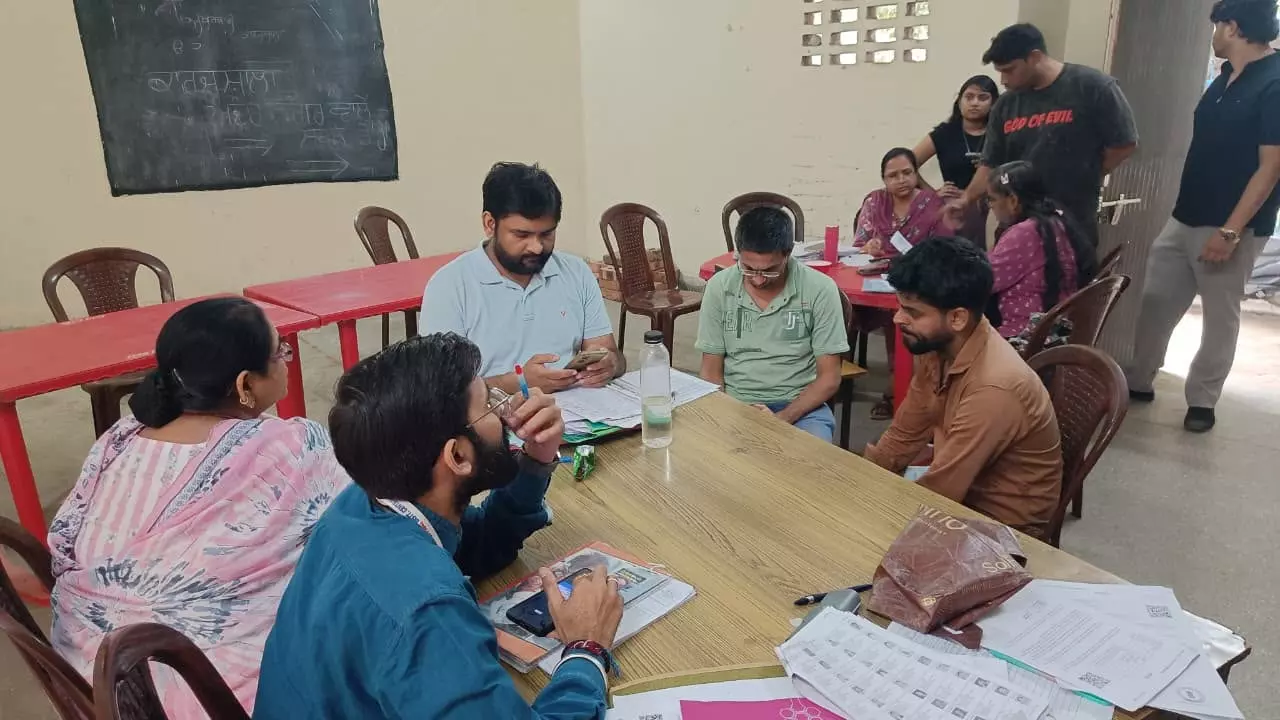
Election officials and members of the public examine documents and voter records during an electoral verification exercise, as Delhi’s Chief Electoral Officer reports the resolution of around 20 lakh cases involving logical discrepancies and unmapped records under the Special Intensive Revision (SIR) 2026. The ongoing exercise seeks to improve the accuracy of electoral rolls while safeguarding the inclusion of eligible voters. Photo: Social media
Election Authorities Step Up Verification of Nearly 33 Lakh Flagged Voter Records, Emphasising That Eligible Citizens Must Not Be Excluded From Electoral Rolls
Key Highlights
- Around 20 lakh of nearly 33 lakh flagged voter records have been resolved under Delhi’s ongoing Special Intensive Revision (SIR) 2026.
- The flagged entries include logical discrepancies and records that could not be mapped during verification.
- Delhi’s Chief Electoral Officer says a proactive campaign is underway to address outstanding cases.
- The exercise aims to improve electoral roll accuracy while protecting the voting rights of eligible citizens.
- Approximately 13 lakh flagged cases remain to be resolved, based on the figures released.
New Delhi: Around 20 lakh voter-record discrepancies out of nearly 33 lakh entries flagged during the ongoing Special Intensive Revision (SIR) of electoral rolls in Delhi have been resolved, according to the Office of the Chief Electoral Officer (CEO). The electoral authorities say a proactive verification campaign is being undertaken to address inconsistencies and ensure that eligible voters are not excluded from the electoral rolls because of documentation issues or discrepancies in their records.
Twenty Lakh Cases Resolved During Verification
The Chief Electoral Officer, Delhi, disclosed the progress through a post on the social media platform X, stating that approximately 20 lakh cases involving logical discrepancies or unmapped voter records had been resolved.
The figures indicate that a substantial proportion of the entries identified for scrutiny have undergone corrective or verification-related action.
Of the nearly 33 lakh records initially flagged, approximately 13 lakh cases would remain unresolved on a simple numerical calculation, although the exact current status of individual categories has not been specified.
The CEO’s statement did not provide a detailed breakdown of how many records were corrected, verified without changes or dealt with through other procedures.
What Are Logical Discrepancies and Unmapped Records?
During electoral roll revision, officials examine voter information to identify inconsistencies that require further verification.
Logical discrepancies can involve apparent irregularities or inconsistencies in electoral records that need clarification.
Unmapped records are entries that could not be linked or matched through the mapping process used in the revision exercise.
Importantly, a flagged record does not automatically establish that a voter is ineligible, that an entry is fraudulent or that a name should be deleted.
The purpose of verification is to determine the correct status of the entry through the prescribed process.
Electoral Authorities Emphasise Protection of Eligible Voters
According to the CEO’s statement, the ongoing campaign is intended not only to address discrepancies but also to prevent eligible citizens from being excluded from the electoral roll.
This distinction is particularly important because the integrity of an electoral roll depends on two equally significant objectives: maintaining accurate voter information and ensuring that eligible citizens retain their right to vote.
A successful revision process must therefore distinguish between records requiring correction and cases in which a person’s eligibility is genuinely in question.
The CEO’s assurance places particular emphasis on avoiding wrongful exclusion during the verification exercise.
Accuracy and Inclusion Must Go Together
Electoral roll revision is an important administrative responsibility, but its effectiveness cannot be judged solely by the number of entries examined or discrepancies resolved.
Accuracy, transparency and accessibility are equally important.
Voters whose records require clarification must have access to the applicable verification procedures and opportunities to provide the necessary information.
Likewise, electoral authorities must ensure that administrative discrepancies do not become grounds for excluding otherwise eligible citizens without following the prescribed legal process.
Remaining Cases Will Test the Verification Exercise
With approximately 13 lakh flagged cases yet to be accounted for on the basis of the reported figures, continued verification will remain important.
The available statement does not specify a deadline for completing the remaining cases or provide a category-wise account of the records still under examination.
The next significant measure of progress will be how comprehensively the remaining discrepancies are addressed and whether eligible voters are able to confirm their status without unnecessary difficulty.
Public Confidence Depends on Transparent Electoral Rolls
The Delhi CEO’s announcement represents an administrative update on a large-scale electoral verification exercise.
Resolving around 20 lakh flagged cases is a significant numerical development, but the broader objective remains the preparation of accurate and inclusive electoral rolls.
As the SIR process continues, maintaining public confidence will require careful verification, accessible correction mechanisms and clear communication with voters.
Ultimately, the credibility of the exercise will depend not simply on how many discrepancies are resolved, but on whether every eligible voter is treated fairly under the electoral process.

YOU MAY LIKE THIS