Reg No. - CHHBIL/2010/41479ISSN - 2582-919X

Trump Links France’s Mass School Protests to Migration and Islam, Drawing Attention Beyond Protesters’ Demands
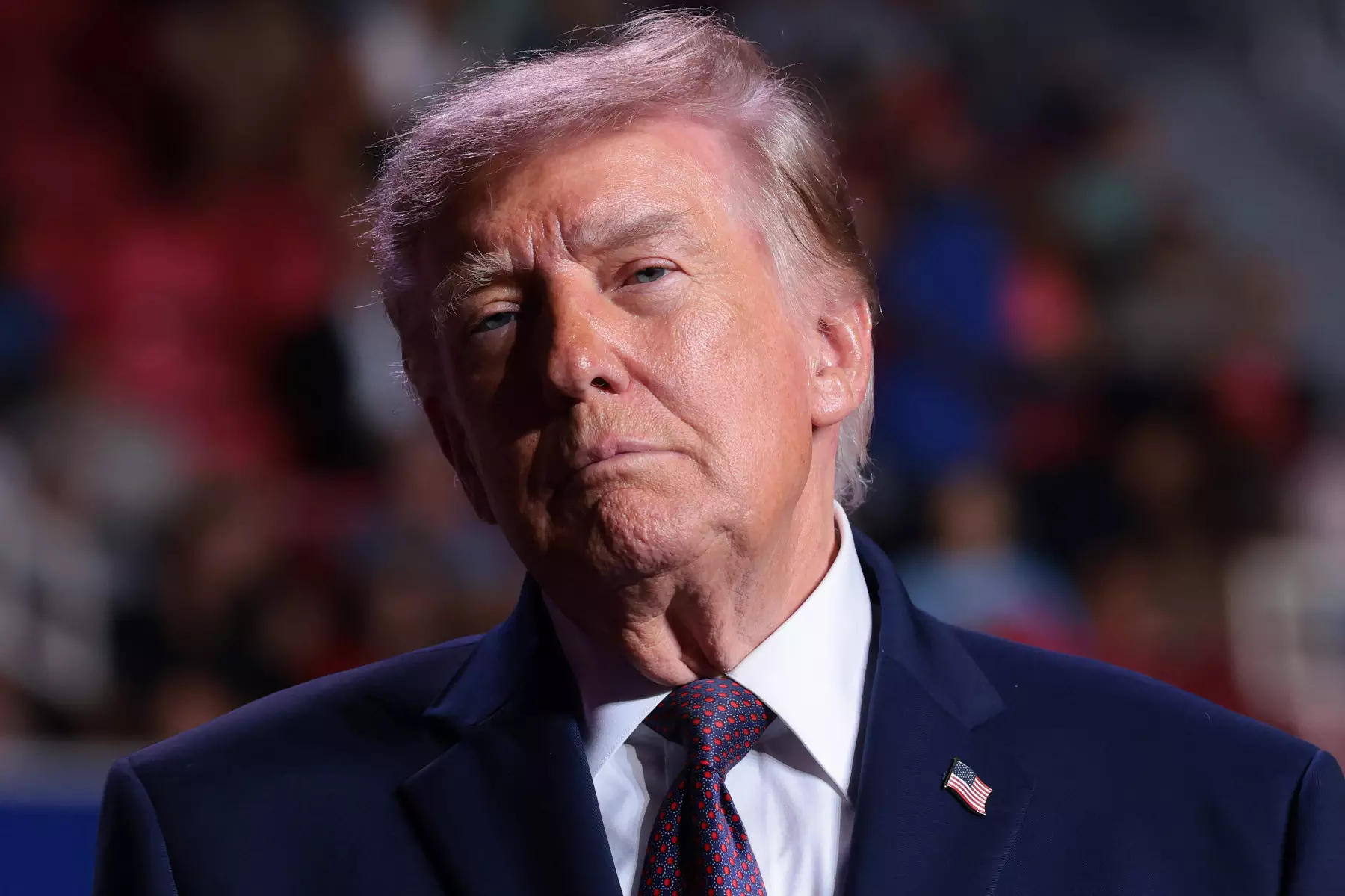
US President Donald Trump has linked France’s mass student protests to migration and Islam, although demonstrators have primarily cited school funding, teacher shortages, overcrowding and deteriorating infrastructure among their grievances. Photo: AFP/File
US President says unrest reflects “out of control mass migration”, while demonstrators and teachers have centred their campaign on school funding, staffing and deteriorating educational infrastructure
Key Highlights
- US President Donald Trump blamed France’s nationwide unrest on mass migration and made a broader claim about Islam.
- More than 250,000 students, teachers, parents and supporters demonstrated across France on Tuesday.
- Protesters have primarily demanded improved school funding, more teachers and repairs to deteriorating educational infrastructure.
- Demonstrations have witnessed serious clashes with riot police, arrests and injuries.
- Trump’s interpretation differs sharply from the publicly stated demands of the protest movement.
- The unrest comes amid wider political and fiscal pressures facing the French government.
Washington/Paris: US President Donald Trump has weighed into France’s escalating student protests, attributing the unrest to mass migration and Islam even as protesters across the country have primarily mobilised over education funding, teacher shortages, overcrowding and deteriorating school infrastructure.
Trump made the remarks on his Truth Social platform on Tuesday as more than a quarter of a million people joined demonstrations across France in what became the largest mobilisation since the school protest movement began.
“What’s happening in France is nothing less than out of control mass migration,” Trump wrote.
He went further, claiming:
“This isn’t about schools, this is about Islam wanting to take over a once great Country!”
The comments represent Trump’s interpretation of the unrest. Available reporting from France, however, indicates that the movement originated with grievances over conditions in schools rather than religion or immigration.
More than 250,000 take to streets
Tuesday marked the biggest day yet of demonstrations that have spread from schools in the Paris suburbs to cities across France.
Police estimates put participation at more than 250,000, while organisers gave a substantially higher figure. Students were joined by teachers, parents and other supporters.
The protests began over complaints about deteriorating classrooms and school buildings, teacher shortages, overcrowding and what demonstrators consider inadequate education funding. Some schools have reported leaking roofs and other serious maintenance problems.
The movement has subsequently become increasingly confrontational.
Riot police deployed tear gas during clashes with demonstrators, while injuries have been reported among students, school staff and police personnel. Hundreds of people have faced legal proceedings in connection with the unrest.
Trump’s explanation contrasts with stated demands
Trump’s intervention shifts attention from the education-related demands towards immigration and religion — issues that have featured prominently in his political messaging in the United States and his comments about European countries.
There is, however, an important distinction between the causes publicly advanced by protesters and Trump’s explanation of what he believes lies behind the unrest.
Reuters reported that protesters have focused on school funding, maintenance and staffing. The movement originated in disadvantaged Paris suburbs before spreading to more than 1,200 schools nationwide, with students highlighting overcrowding, inadequate facilities and shortages of teachers.
The protests have also unfolded as the French government faces difficult budget choices, with a planned education spending increase that critics say would fail to keep pace with inflation.
Violence complicates education movement
While the initial demands have centred on education, escalating violence has complicated the movement.
A 15-year-old boy suffered devastating injuries after picking up a police grenade during clashes in Lens, losing his hand and part of his lower arm. Rights groups have accused police of using excessive force, while authorities have argued that violent groups have infiltrated demonstrations.
Thousands of arrests have been reported since the unrest began, with many of those detained being teenagers. Police officers, students and school employees have been injured during confrontations.
French authorities have sought to distinguish between students raising legitimate concerns and groups accused of exploiting the demonstrations to provoke violence.
French government promises response
Prime Minister Sébastien Lecornu’s government has acknowledged concerns surrounding schools while condemning violence associated with the demonstrations.
Proposals under discussion include improving teacher availability, addressing repairs to school buildings and reconsidering aspects of the school day. Ministers are expected to develop further measures in response to the movement.
The protests are unfolding against a broader backdrop of political instability and fiscal pressure in France, making what began as a campaign over classroom conditions part of a much larger national debate.
Trump’s remarks have now added an international and ideological dimension to that debate. His assertion that the protests are fundamentally about Islam and immigration remains his political characterisation, rather than the stated explanation offered by the student organisations, teachers and demonstrators behind the movement.

YOU MAY LIKE THIS