Reg No. - CHHBIL/2010/41479ISSN - 2582-919X

VB-G RAM G Expands to 375 Permissible Works, Chhattisgarh Sets Aside ₹4,000 Crore
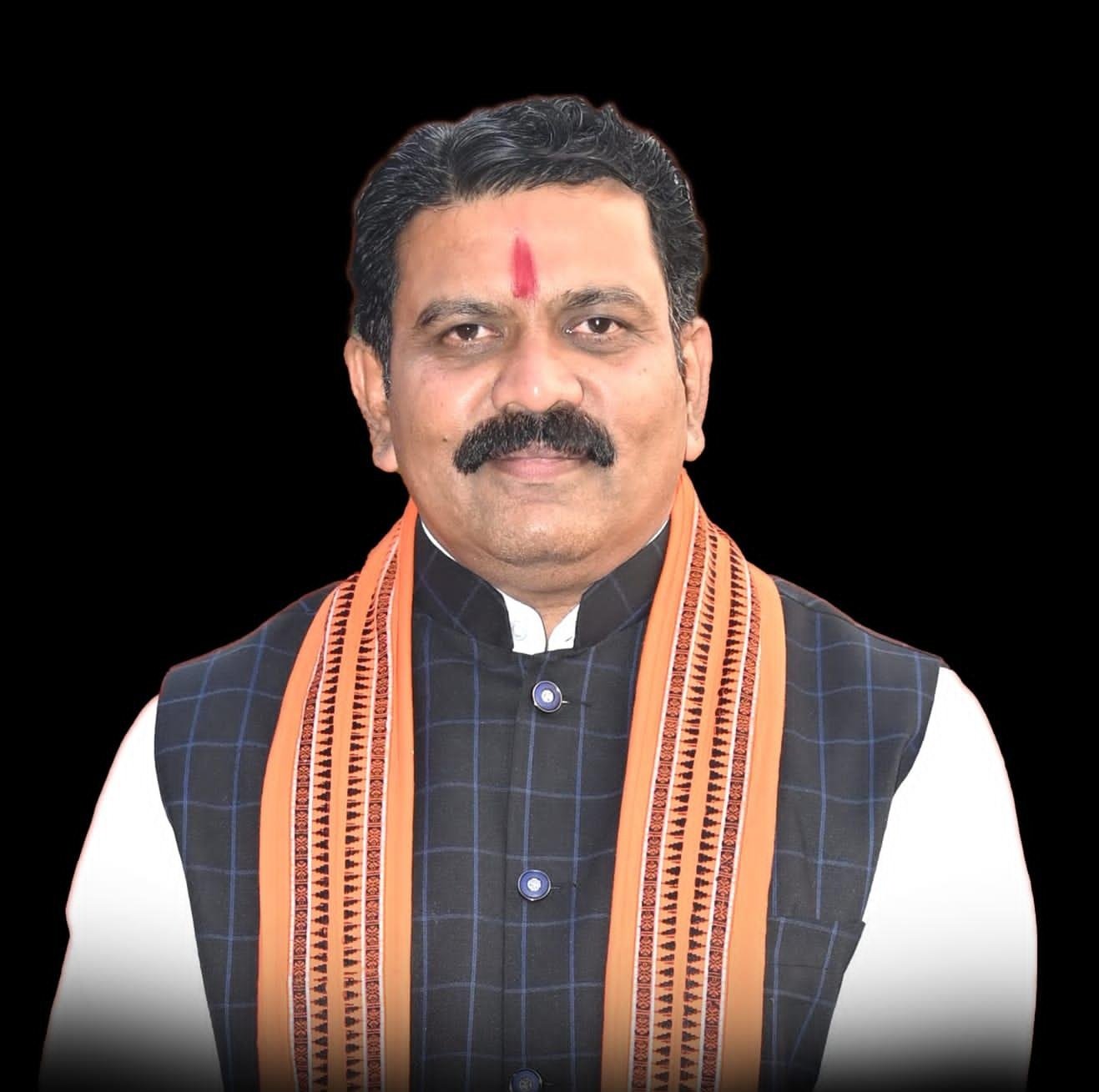
Expanding the Rural Development Canvas: Chhattisgarh Deputy Chief Minister and Panchayat and Rural Development Minister Vijay Sharma said the expansion of permissible works under VB-G RAM G from 318 to 375 would accelerate rural development by linking employment with durable assets, livelihoods, water conservation and stronger village infrastructure. The State has provided ₹4,000 crore in its 2026-27 Budget for implementation of the mission. Photo:primelookindia.com via CG/DPR
Deputy CM Vijay Sharma says expanded rural mission will link employment with durable assets across water conservation, roads, schools, livelihoods, agriculture and disaster preparedness
Key Highlights
- 375 permissible works under VB-G RAM G, up from 318, arranged across four major categories and 30 sub-categories.
- ₹4,000 crore provided in Chhattisgarh’s 2026-27 Budget; Centre has provided an interim allocation of ₹3,354.85 crore.
- Unskilled wage rate increased from ₹261 to ₹300 per day.
- 68 individual works and 99 repair and maintenance activities are among the expanded permissible works.
- 6,671 girls’ toilets targeted in rural government schools by January 26, 2027 under Meri Beti–Mera Abhiman.
- Cremation grounds with waiting facilities are being pursued in 6,524 villages, while recharge structures are planned for more than 10,000 defunct borewells.
- Water conservation, rural roads, schools, Panchayat buildings, agriculture, SHGs, dairy, fisheries, processing infrastructure and disaster preparedness are covered.
- A QR code has been issued to provide rural residents with information about permissible works.
Raipur: Chhattisgarh is widening the scope of rural employment and development under the Viksit Bharat–Guarantee for Rozgar and Ajeevika Mission (Gramin), or VB-G RAM G, with the number of permissible works increasing from 318 to 375.
Deputy Chief Minister and Panchayat and Rural Development Minister Vijay Sharma said the expansion would give fresh momentum to development works while strengthening rural infrastructure and livelihood opportunities across the State.
The Chhattisgarh Government has made a provision of ₹4,000 crore in the 2026-27 Budget for implementation of the mission. According to the State Government, the Centre has also provided an interim allocation of ₹3,354.85 crore for Chhattisgarh under VB-G RAM G.

Know the 375 Permissible Works: Scan the QR code to access detailed information on the 375 permissible works under VB-G RAM G, covering water conservation, rural infrastructure, livelihoods, agriculture, community assets and disaster preparedness. (Source: Chhattisgarh Panchayat and Rural Development Department)
The wage rate for unskilled workers has meanwhile been increased from ₹261 to ₹300 per day.
“With the number of permissible works under VB-G RAM G increasing from 318 to 375, development works will gain momentum and rural development will be strengthened,” Sharma said.
He said the financial provision would not remain confined to wage payments. The mission would also be used to create durable assets capable of supporting village economies and improving basic infrastructure over the coming years.
Sharma said increased employment opportunities, improved wages and creation of permanent assets together could strengthen the economic security of rural families.
Referring to Prime Minister Narendra Modi’s Viksit Bharat@2047 vision, Sharma said villages had been accorded a central place in the development process. VB-G RAM G seeks to bring together employment, livelihoods, water conservation, agricultural productivity, women’s empowerment and rural infrastructure within a broader development framework.
375 Works Across Four Categories, Details Accessible Through QR Code
The 375 permissible works have been organised under four principal categories and 30 sub-categories. These include 68 types of individual works and 99 types of repair and maintenance activities, apart from works connected with group and community utility.
To make the information easily accessible to rural residents, the State has issued a QR code through which people can obtain details of permissible works under the mission.
Water conservation and water security constitute one of the major categories.
Permissible activities include canals, flood-control channels, check dams, gully plugs, underground dykes, rejuvenation of ponds, percolation tanks, recharge pits and shafts, injection wells, irrigation wells, micro and drip-irrigation channels, watershed restoration, afforestation and plantation, soil-moisture conservation and rooftop rainwater harvesting.
The works are expected to improve water-storage capacity, groundwater recharge, irrigation availability and agricultural productivity. Both individual and community-level water conservation structures, along with their maintenance, have been brought within the programme.
Rural infrastructure forms another major component. Roads, culverts and cross-drainage structures, village connectivity, Gram Panchayat buildings, Anganwadi centres, rural libraries, public buildings and school infrastructure are among the works that can be undertaken.
School infrastructure covers the repair of toilets as well as construction of additional classrooms, laboratories, kitchen sheds, boundary walls and playgrounds.
The State Government is also implementing the ‘Meri Beti–Mera Abhiman’ campaign, under which 6,671 toilets for girls are to be constructed in government schools in rural areas by January 26, 2027. The initiative is intended to improve sanitation, dignity and the school environment for girl students.
The government is simultaneously working towards providing cremation grounds with waiting facilities in 6,524 villages. Construction and repair of cremation grounds and other community facilities have also been included among permissible activities.
Livelihoods, Women’s Groups and Local Enterprise
Livelihood infrastructure constitutes the third major category of permissible works.
Training-cum-skill development centres, worksheds for self-help groups, rural haats and weekly markets, foodgrain and agricultural produce storage, cold storage facilities, agricultural value-chain infrastructure, SHG and federation buildings, vermicompost and NADEP units, silvipasture, dairy and milk collection centres, animal shelters, fisheries infrastructure and nurseries are included.
Agriculture-based processing has also been brought within the programme. Infrastructure can be developed for mini flour mills, food processing, oil processing, integrated agricultural processing, forest-produce processing, handicrafts, biodegradable products and bamboo craft.
The emphasis on local processing and value addition could allow a greater share of economic activity generated from rural resources to remain within villages.
Worksheds and infrastructure for women’s self-help groups are expected to provide space for collective economic activity, while assets connected with nurseries, agricultural storage, livestock, dairy, fisheries and compost production could help rural households diversify their sources of income.
Disaster Preparedness Becomes Part of Rural Asset Creation
The fourth category addresses extreme-weather mitigation and disaster preparedness.
It includes cyclone and flood shelters, embankments, soil and gabion structures, retaining walls, flood-protection walls, bench terraces, stabilisation ponds, restoration of rural roads and community assets following disasters, windbreak and shelterbelt plantations and forest-fire management.
Fire-break hedges, forest fire lines and fuel-buffer zones are among the permissible interventions for forest-fire management.
By including such works, the mission extends beyond conventional employment generation into strengthening the capacity of villages and community infrastructure to withstand natural disasters and extreme weather conditions.
Sharma said the mission should therefore be viewed as more than an employment programme.
“It is a wider opportunity to enhance the economic capacity of villages, conserve natural resources, strengthen local livelihoods and develop sustainable rural infrastructure,” the Deputy Chief Minister said.
The expansion to 375 permissible works places employment generation alongside the creation and maintenance of productive assets. From water recharge structures and rural roads to school facilities, women’s livelihood infrastructure, agricultural processing and disaster protection, the programme seeks to ensure that public expenditure on rural employment also leaves behind infrastructure capable of supporting village economies in the years ahead.

YOU MAY LIKE THIS