Reg No. - CHHBIL/2010/41479ISSN - 2582-919X

Congress Decision to Sing Only Two Stanzas of Vande Mataram ‘Anti-National’: Amit Shah
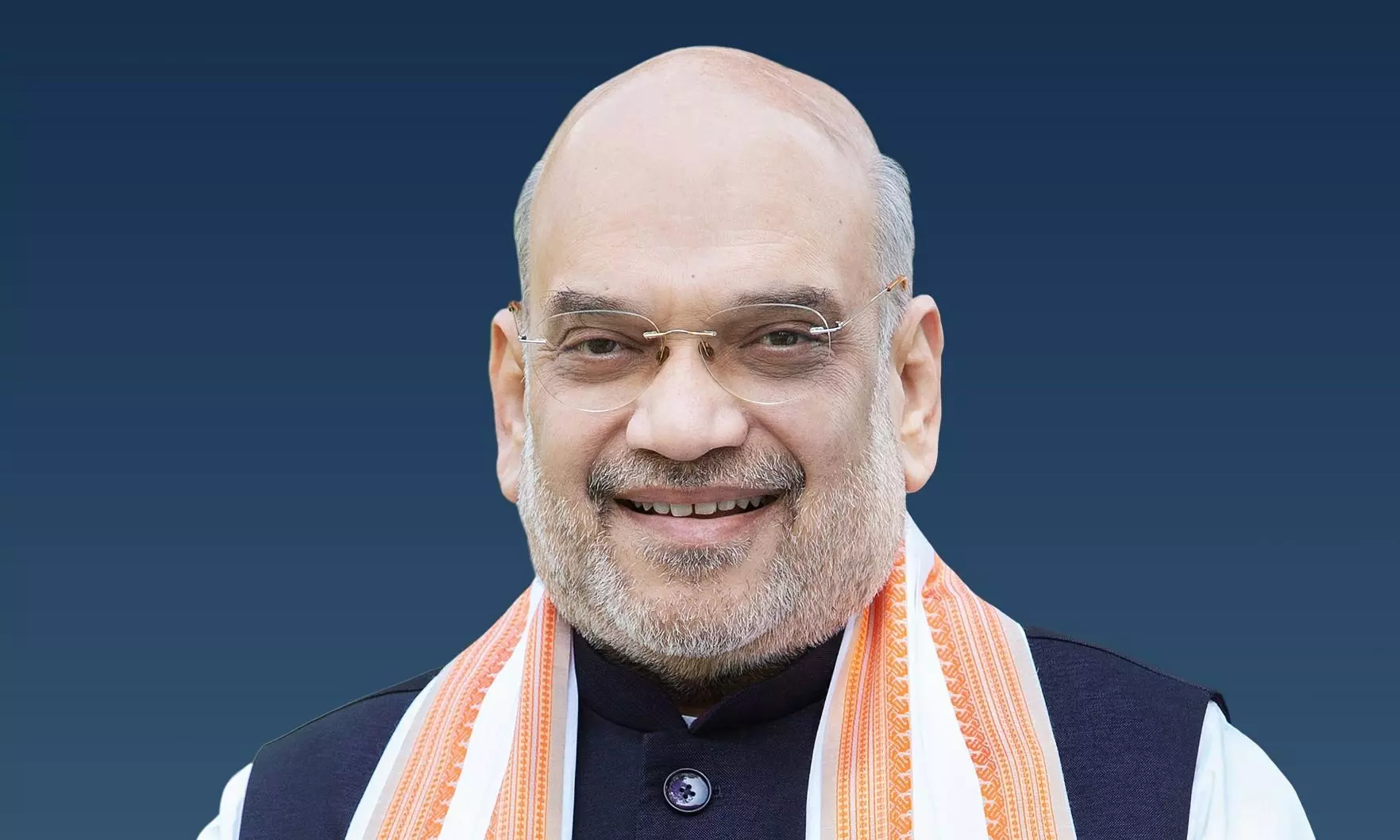
Union Home Minister Amit Shah has called the Congress Working Committee’s decision to sing only two stanzas of Vande Mataram “anti-national”, accusing the party of reviving appeasement politics.
Home Minister accuses Congress of reviving appeasement politics; opposition says BJP is politicising national sentiment
Key Highlights
- Amit Shah attacks Congress Working Committee’s two-stanza decision
- Calls the move “anti-national” and an “open defiance” of the law
- Shah links the controversy to the Congress decision taken in 1937
- Claims restricting the song then encouraged politics behind the two-nation theory
- Congress says its position follows the historic 1937 CWC resolution
- Jairam Ramesh invokes Nehru, Patel, Subhas Bose, Azad and Tagore in defence of the decision
- Political battle over Vande Mataram intensifies after Independence Day controversy
Chennai: Union Home Minister Amit Shah on Thursday August 20, 2026 sharply attacked the Congress Working Committee’s decision to continue singing only the first two stanzas of Vande Mataram, calling the move “anti-national” and accusing the opposition party of returning to what he described as its historic politics of appeasement.
Speaking in Tamil Nadu, where he was attending the 31st Southern Zonal Council meeting at Mahabalipuram near Chennai, Shah said the Congress was repeating what he described as a “historic mistake” made in 1937.
The controversy followed the CWC’s decision to adhere to its 1937 position and restrict the rendition of Vande Mataram at Congress programmes to its first two stanzas.
Shah alleged that the decision amounted to an “open defiance” of the law enacted by Parliament and claimed the Congress was once again resorting to vote-bank politics under Rahul Gandhi’s leadership.
He argued that the Narendra Modi government had corrected what he termed the historical wrong during the 150th anniversary commemorations of Vande Mataram by giving recognition to the full composition.
Shah went further, linking the original 1937 decision to the politics surrounding India’s eventual Partition. He alleged that restricting the national song for reasons of appeasement strengthened the political thinking behind the two-nation theory.
The Home Minister appealed to people across the country to oppose the Congress decision and what he described as politics that placed appeasement above national sentiment.
Congress Defends 1937 Decision, Accuses BJP of Politicisation
The Congress rejected Shah’s allegations and maintained that its position was rooted in a decision taken during the freedom movement rather than contemporary vote-bank politics.
Congress general secretary Jairam Ramesh recalled that the 1937 CWC decision was associated with senior leaders of the national movement, including Jawaharlal Nehru, Sardar Vallabhbhai Patel, Subhas Chandra Bose and Maulana Abul Kalam Azad, and was taken after consultation with Rabindranath Tagore.
The Congress has maintained that it will continue following that historic position. Party leaders have accused the BJP of converting an emotive national issue into a political confrontation.
The dispute has been building since Independence Day, when Shah criticised Congress leader Sonia Gandhi over the rendition of Vande Mataram at the party headquarters. Ramesh responded by accusing the Home Minister of using the controversy to divert attention from other issues.
The latest confrontation has therefore moved beyond a disagreement over how many stanzas should be sung. It has developed into a wider political battle over nationalism, the interpretation of decisions made during the freedom movement and the use of national symbols in contemporary politics.

YOU MAY LIKE THIS