Reg No. - CHHBIL/2010/41479ISSN - 2582-919X

Republic Day 2026: Selection Process Behind Tableaux Explained
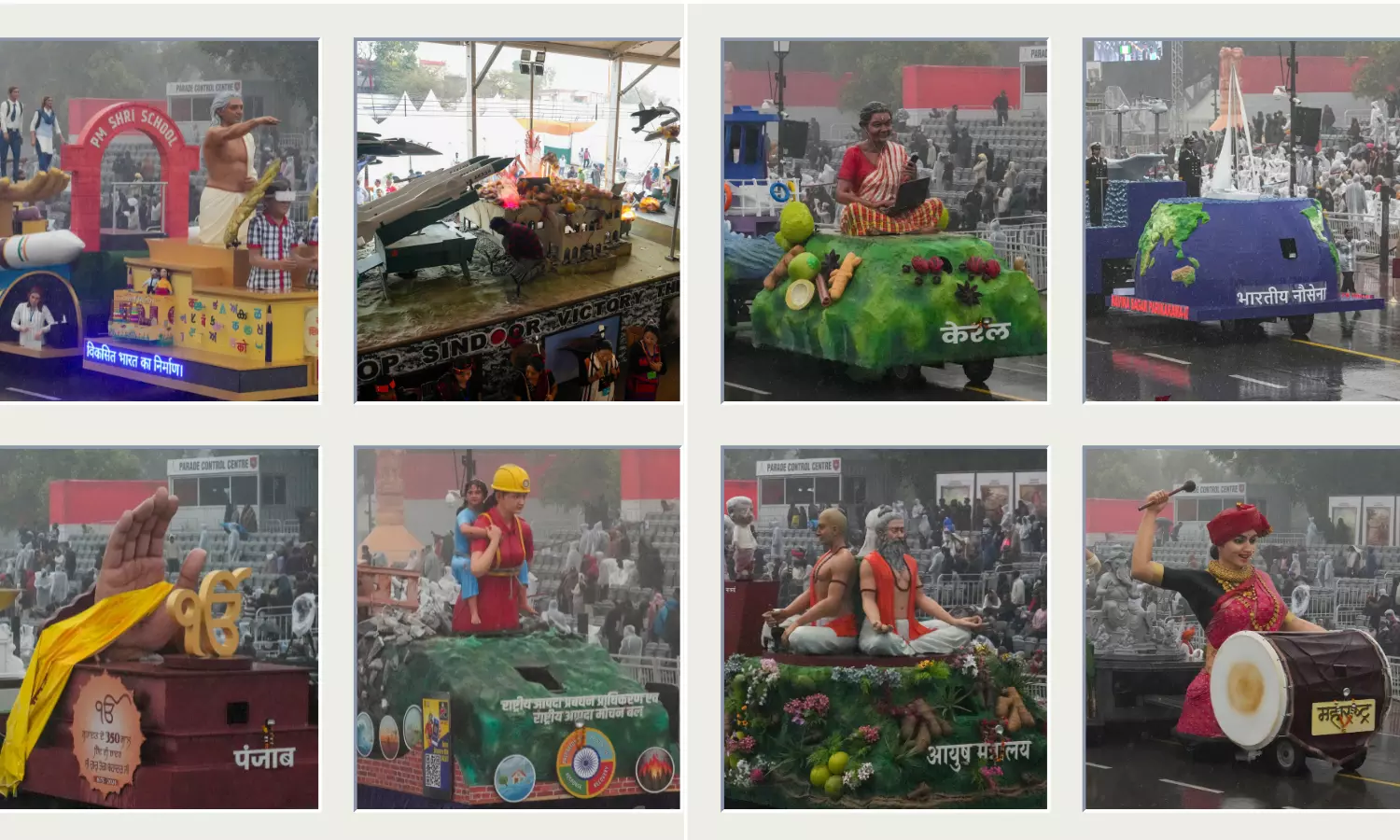
From concept sketches to Kartavya Path, how tableaux earn their spot.
A total of 30 tableaux including 17 states and Union Territories, 13 Ministries will roll down the Kartavya Path in New Delhi during the 77th Republic Day parade on January 26.
With a broad theme of ‘Swatantrata ka Mantra: Vande Mataram’ and ‘Samriddhi ka Mantra: Aatmanirbhar Bharat’, the tableaux will showcase a unique mix of 150 years of national song Vande Mataram and the nation’s rapid progress on the back of the growing self-reliance across sectors, dipped in its rich and vibrant cultural diversity. The list of the participating tableaux is as follows:
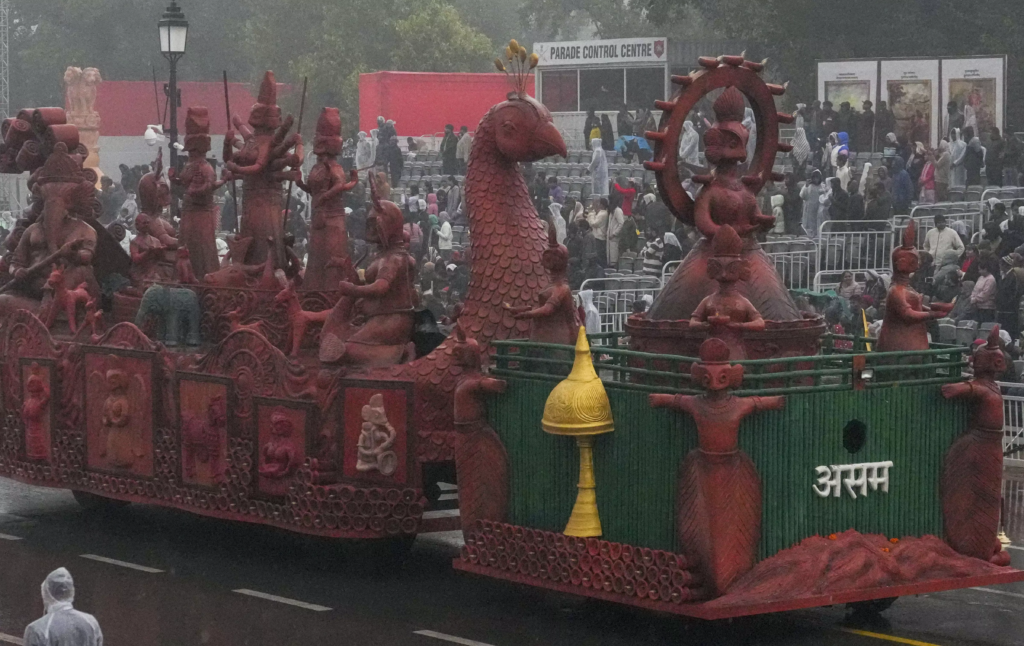
Assam : Asharikandi – Terracotta Craft Village of Assam
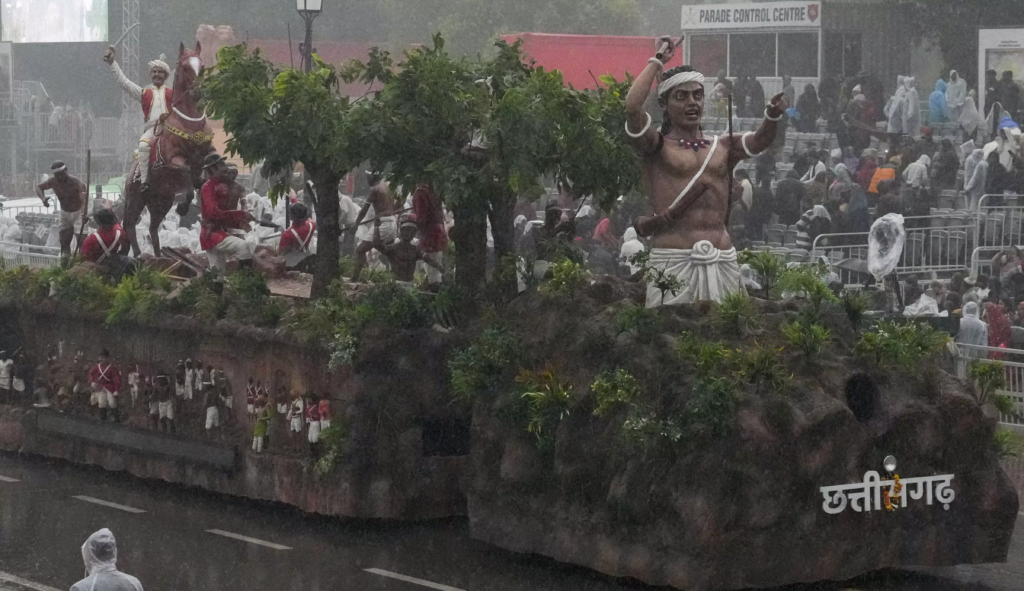
Chhattisgarh : The Mantra of Freedom – Vande Mataram
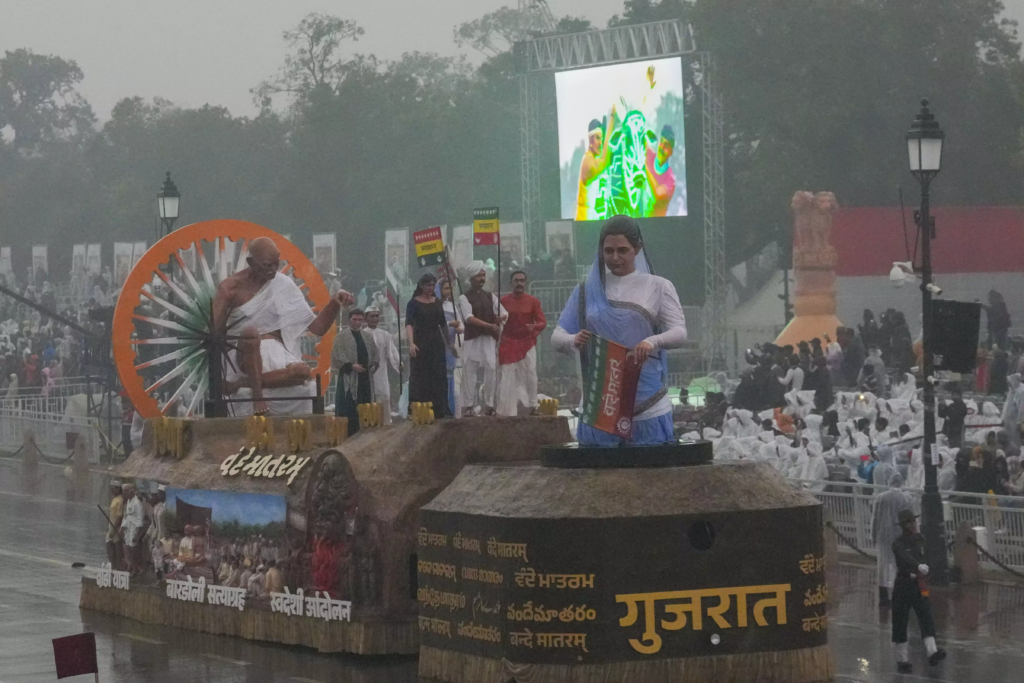
Gujarat: Mantra of Swadeshi – Self-Reliance – Freedom: Vande Mataram
Himachal Pradesh: Dev Bhoomi, Veer Bhoomi
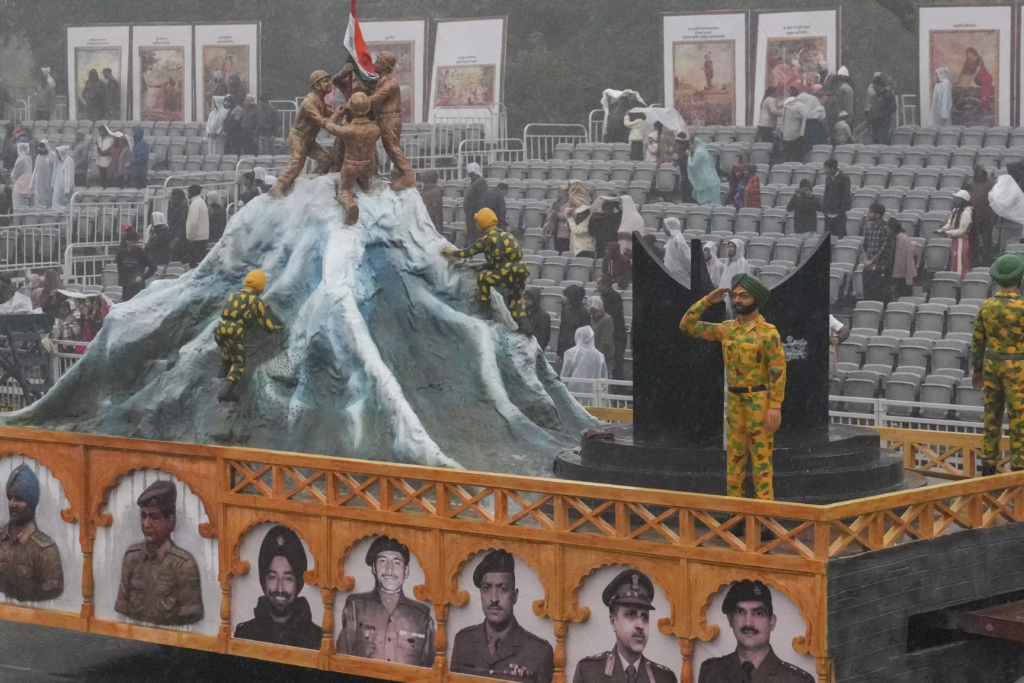
Jammu & Kashmir : Handicrafts and Folk Dances of Jammu & Kashmir
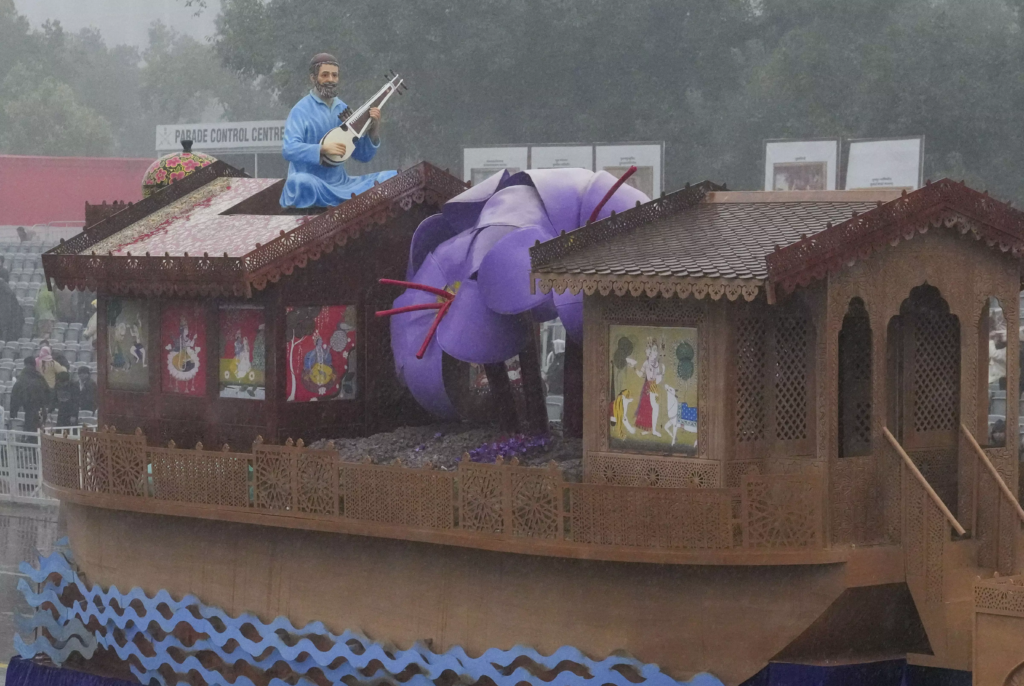
Kerala :Water Metro & 100% Digital Literacy: Aatmanirbhar Kerala for Aatmanirbhar Bharat
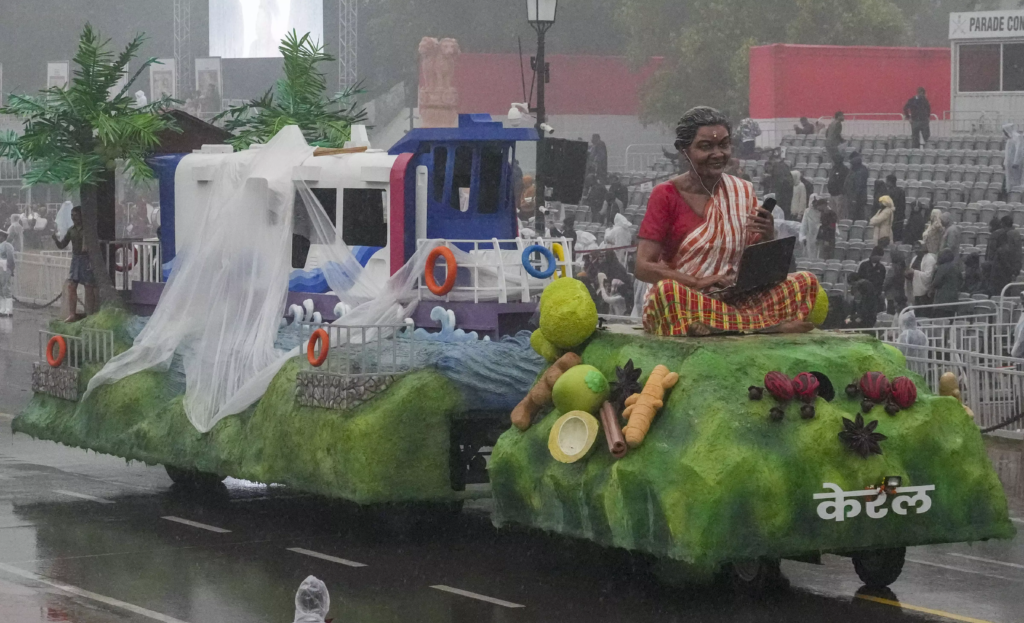
Manipur: Towards Prosperity: From Agricultural Fields to International Markets
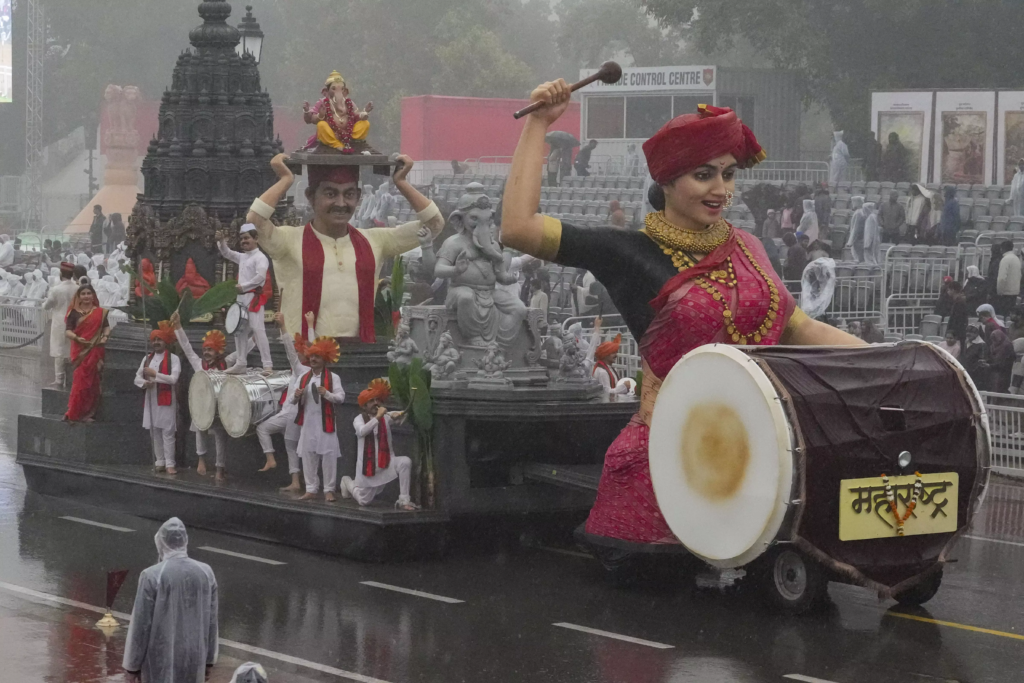
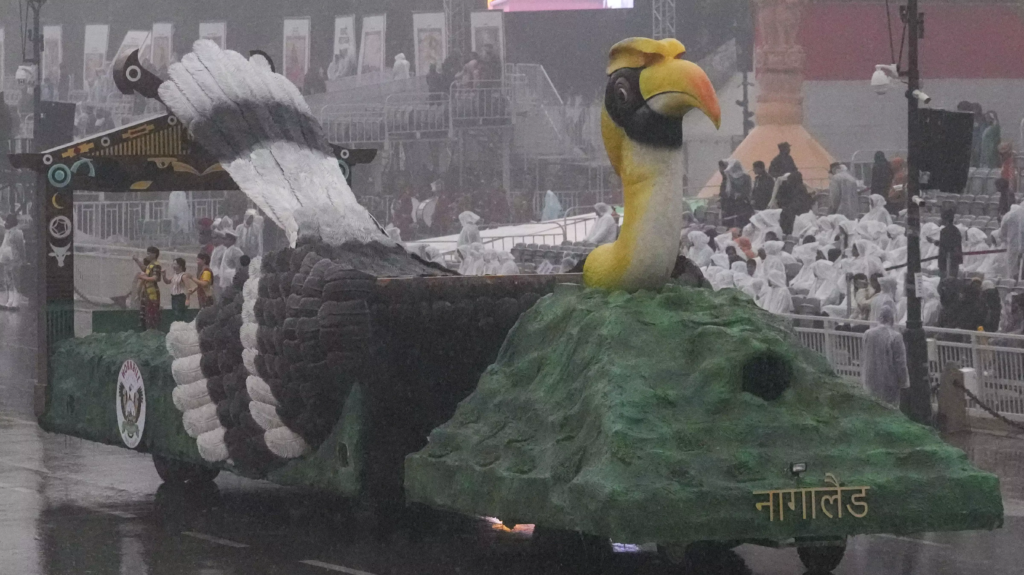
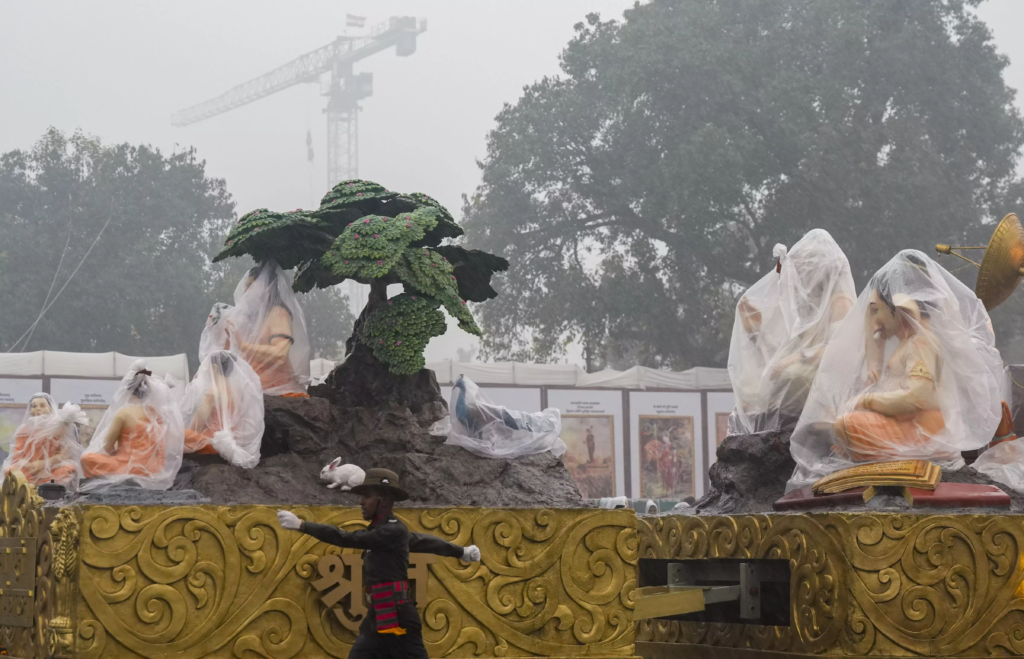
Nagaland : The Hornbill Festival – Celebrating Culture, Tourism & Self-Reliance
Odisha : Soil to Silicon: Rooted in Tradition, Rising with Innovation
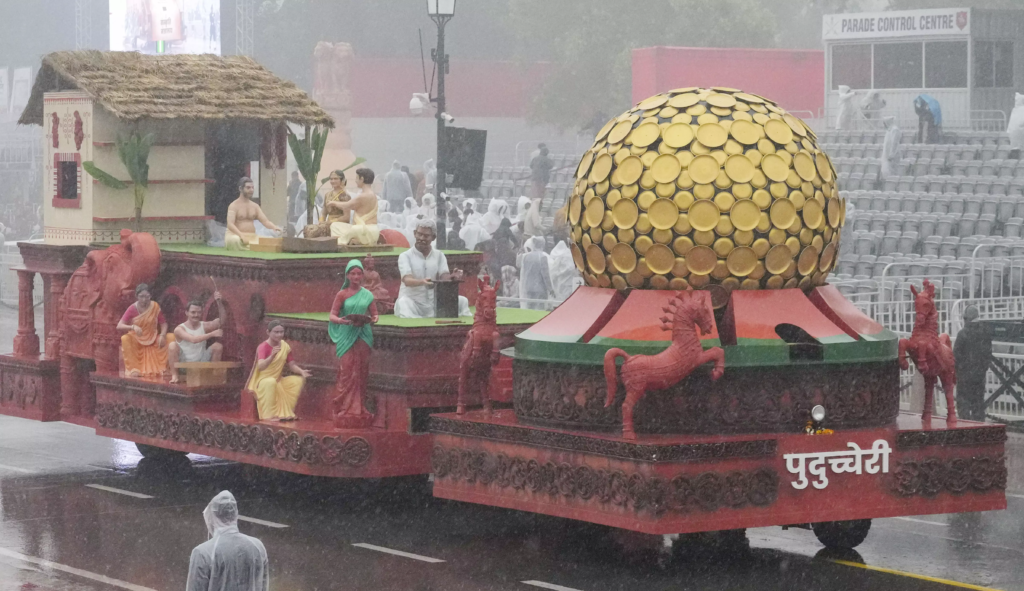
Puducherry: Rich Heritage of Craft, Culture and Auroville’s Vision
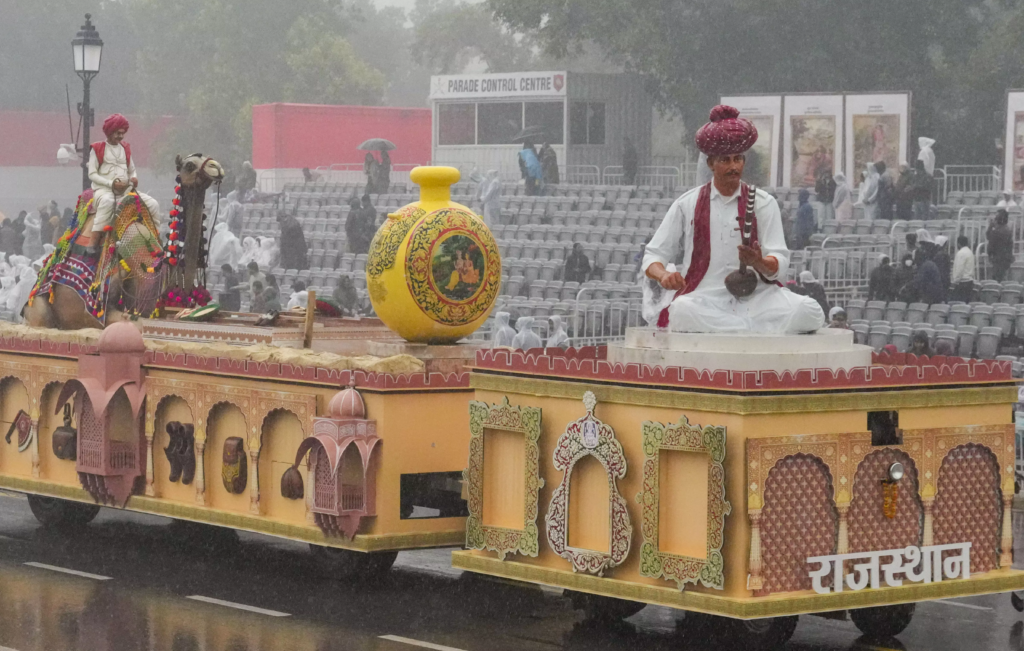
Rajasthan: Golden Touch of the Desert: Bikaner Gold Art (Usta Art)
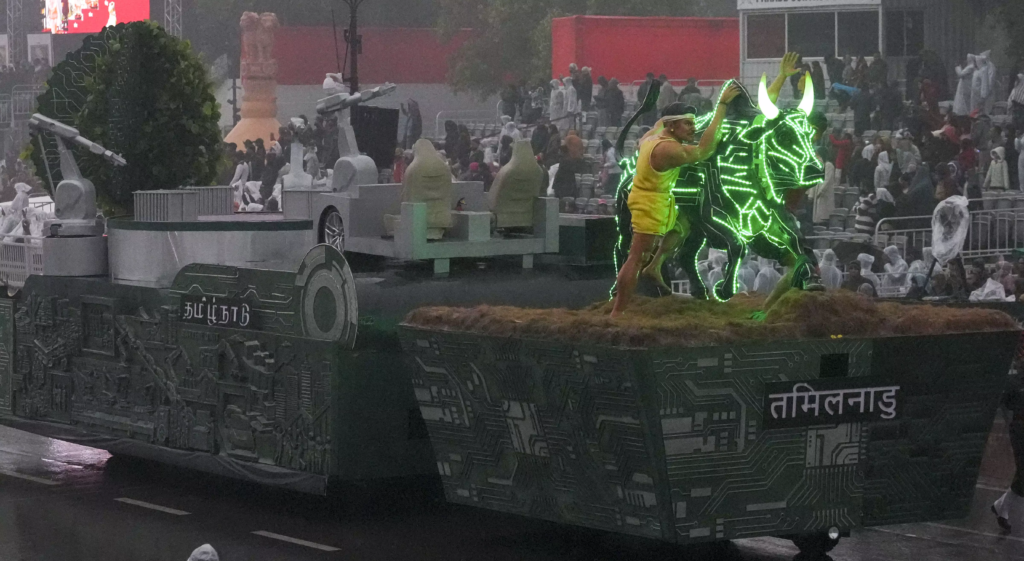
Tamil Nadu: Mantra of Prosperity: Self-Reliant India
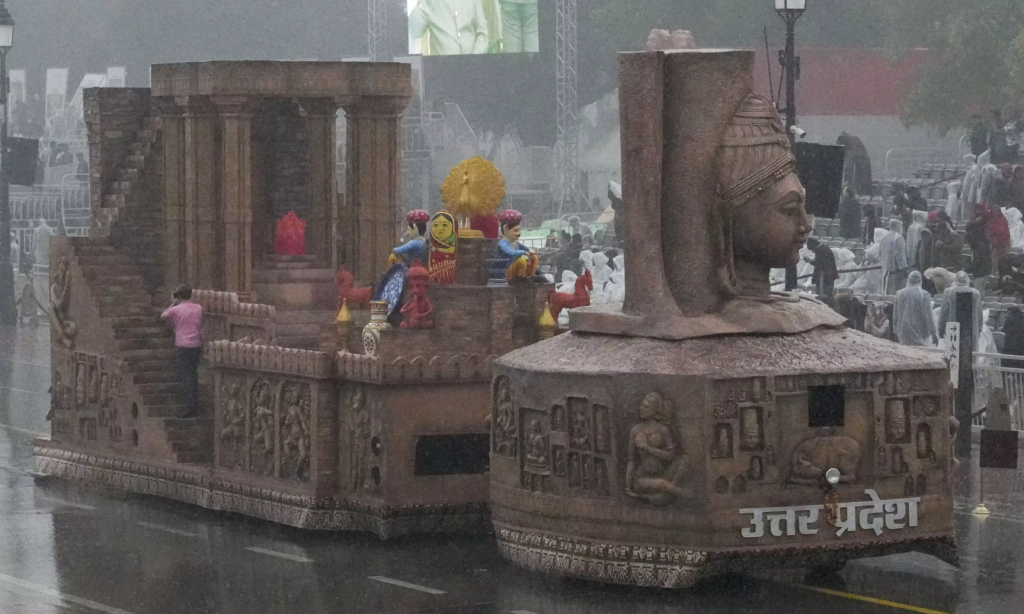
Uttar Pradesh: Culture of Bundelkhand
Madhya Pradesh: Punyashlok Lokmata Devi Ahilyabai Holkar
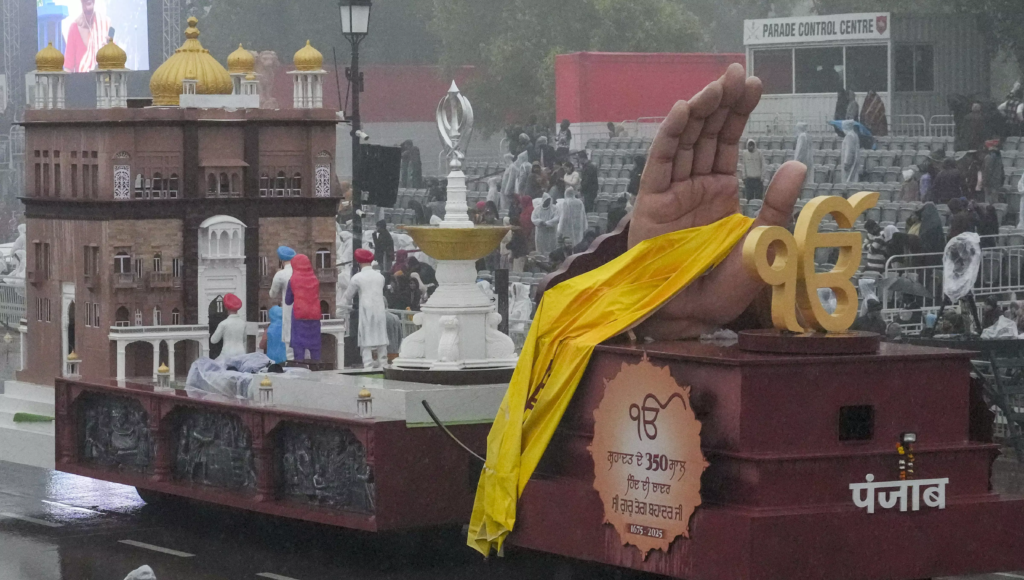
Punjab: 350th Year of Martyrdom of Sri Guru Tegh Bahadur Sahib Ji
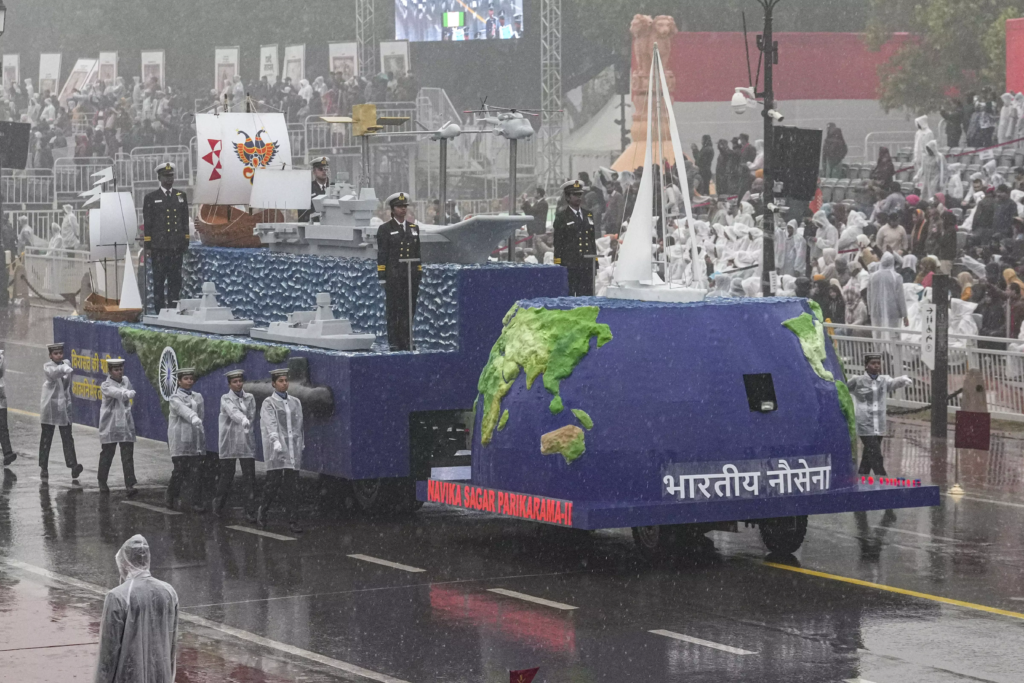
Air HQs :Tableau – Nation Building through War Naval HQs: Samudra Se Samriddhi
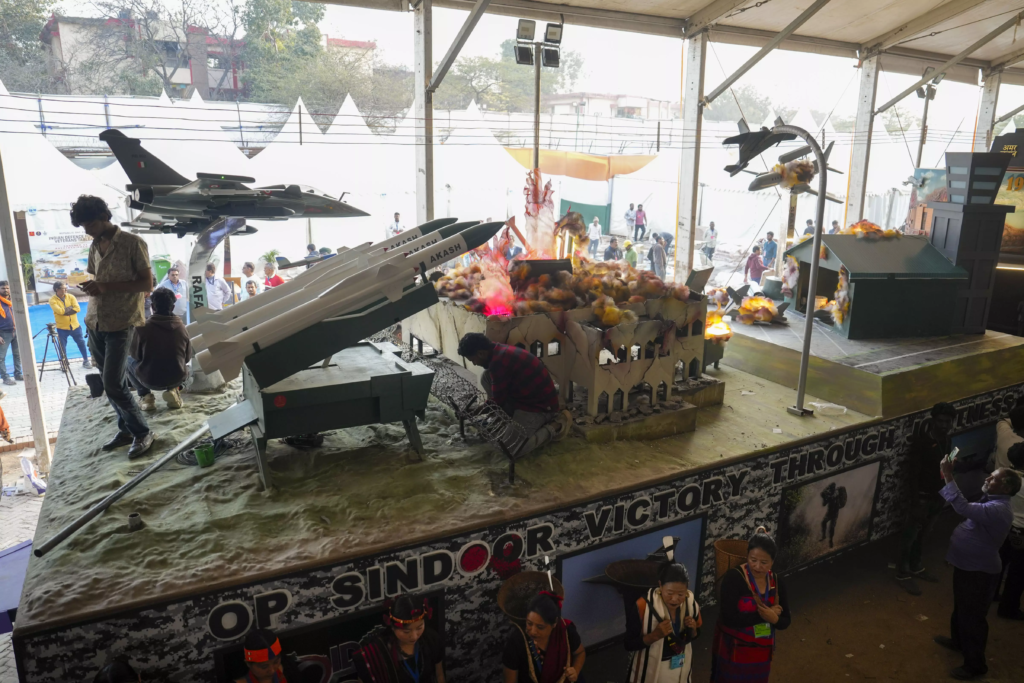
Department of Military Affairs: Tri-Services Tableau – Operation Sindoor, Victory through Jointness
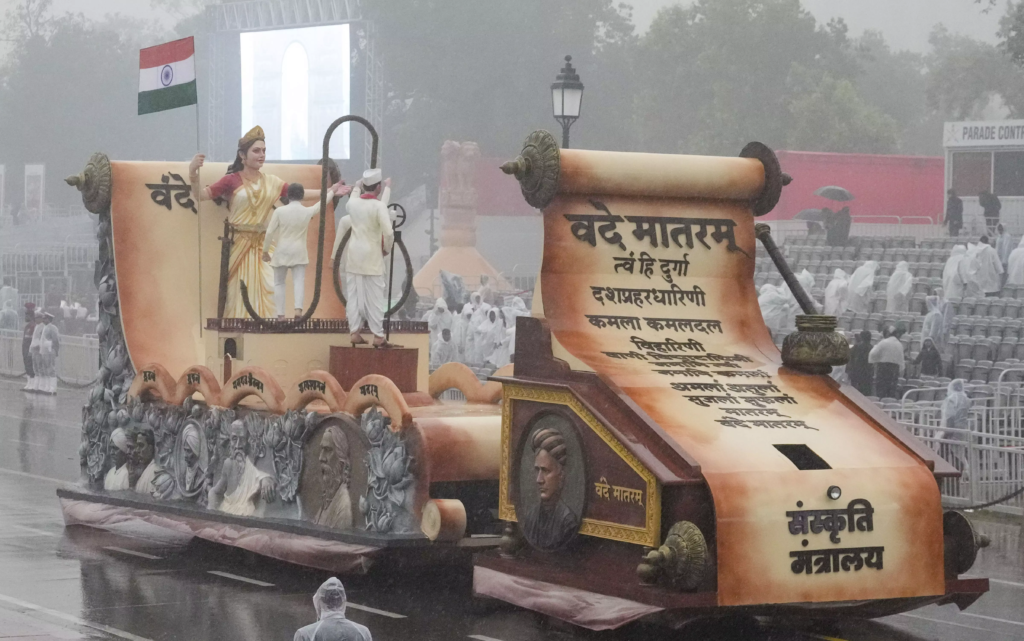
Ministry of Culture: Vande Mataram – The Soul Cry of a Nation
Department of School Education & Literacy : National Education Policy 2020: Rocketing Indian School Education on the Path to Viksit Bharat
Ministry of AYUSH: AYUSH KA TANTRA, SWASTHYA KA MANTRA
Ministry of Home Affairs: (NDMA & NDRF)
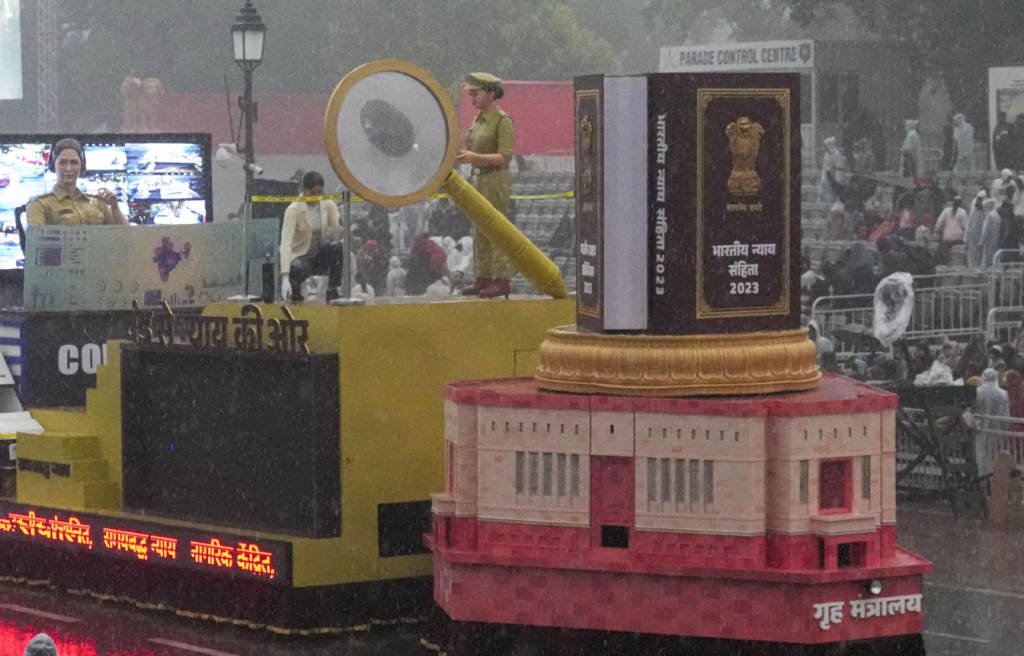
Ministry of Home Affairs: (BPRD) Jan Kendrit Nyay Pranali – Enactment of the Three New Criminal Laws – 2023
Ministry of Information & Broadcasting: Bharat Gatha: Shruti, Kriti, Drishti
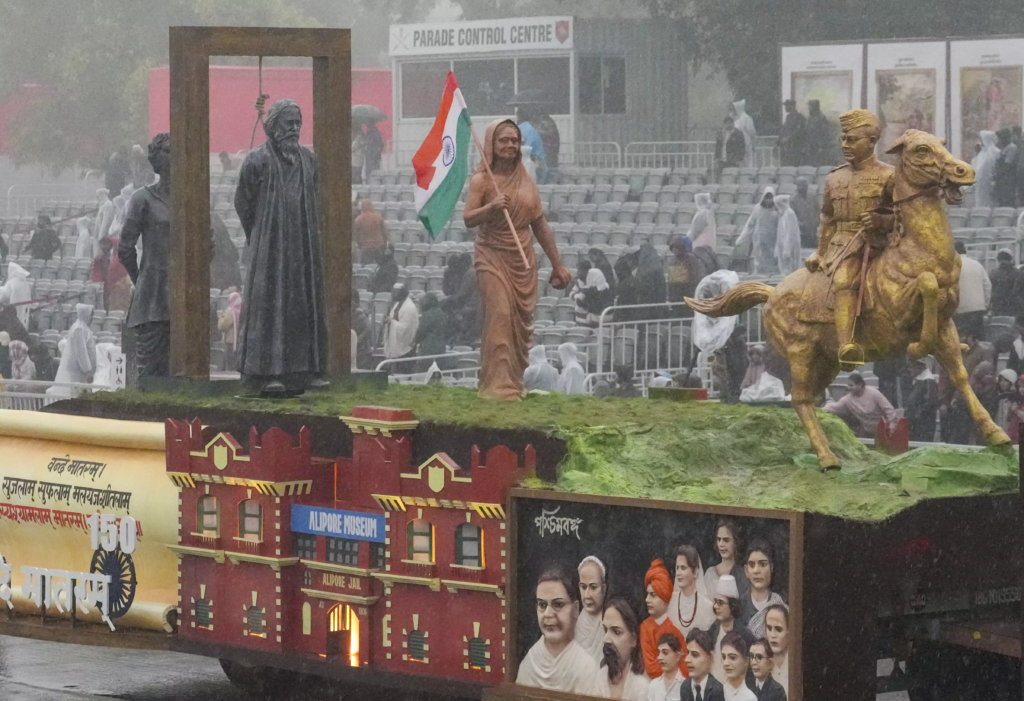
Ministry of Housing & Urban Affairs (CPWD): Vande Mataram – Commemoration of 150 Years
Ministry of Panchayati Raj: SVAMITVA Scheme – Aatmanirbhar Panchayat se Samriddh evam Aatmanirbhar Bharat Ministry of Power: Prakash Ganga: Powering an Aatmanirbhar and Viksit Bharat Ministry of Skill Development & Entrepreneurship: Powered by Skills: Building a Self-Reliant, Future-Ready India This year’s parade will focus on two themes. The first theme is
“The Mantra of Self-Reliance – Vande Mataram.” The second theme is “The Mantra of Prosperity – Aatmanirbhar Bharat.” Officials say these themes highlight India’s push for local innovation, economic growth and self-reliance. Who decides the themes The Ministry of Defence finalises the themes after discussions with other central authorities. States, UTs and ministries must then send proposals based on these themes.
Not all proposals are accepted, as selection is competitive. How to submit tableau proposals All entries must be uploaded on the Rashtraparv Portal. Submissions should include sketches, concept notes, written explanations and audio-visual material. How tableaux are selected An expert committee reviews proposals in six to seven stages. First, sketches are checked and feedback is given.
After revisions, selected teams submit 3D models. The models are judged on design, theme relevance, creativity, technology use and clarity for viewers. Preference is given to local art, crafts and traditional performers.
Simple and clear designs are encouraged. After selection Shortlisted teams report to the Republic Day Camp in Delhi in late December. They stay until January to build the tableaux and rehearse. The tractor base must match the overall design.
With themes of prosperity and self-reliance, the 2026 parade is expected to showcase technology, culture, women’s empowerment, rural development and India’s growing capabilities.

YOU MAY LIKE THIS