Reg No. - CHHBIL/2010/41479ISSN - 2582-919X

Chhattisgarh Launches TIN Portal to Secure Fair Prices for Tribal Tin Collectors
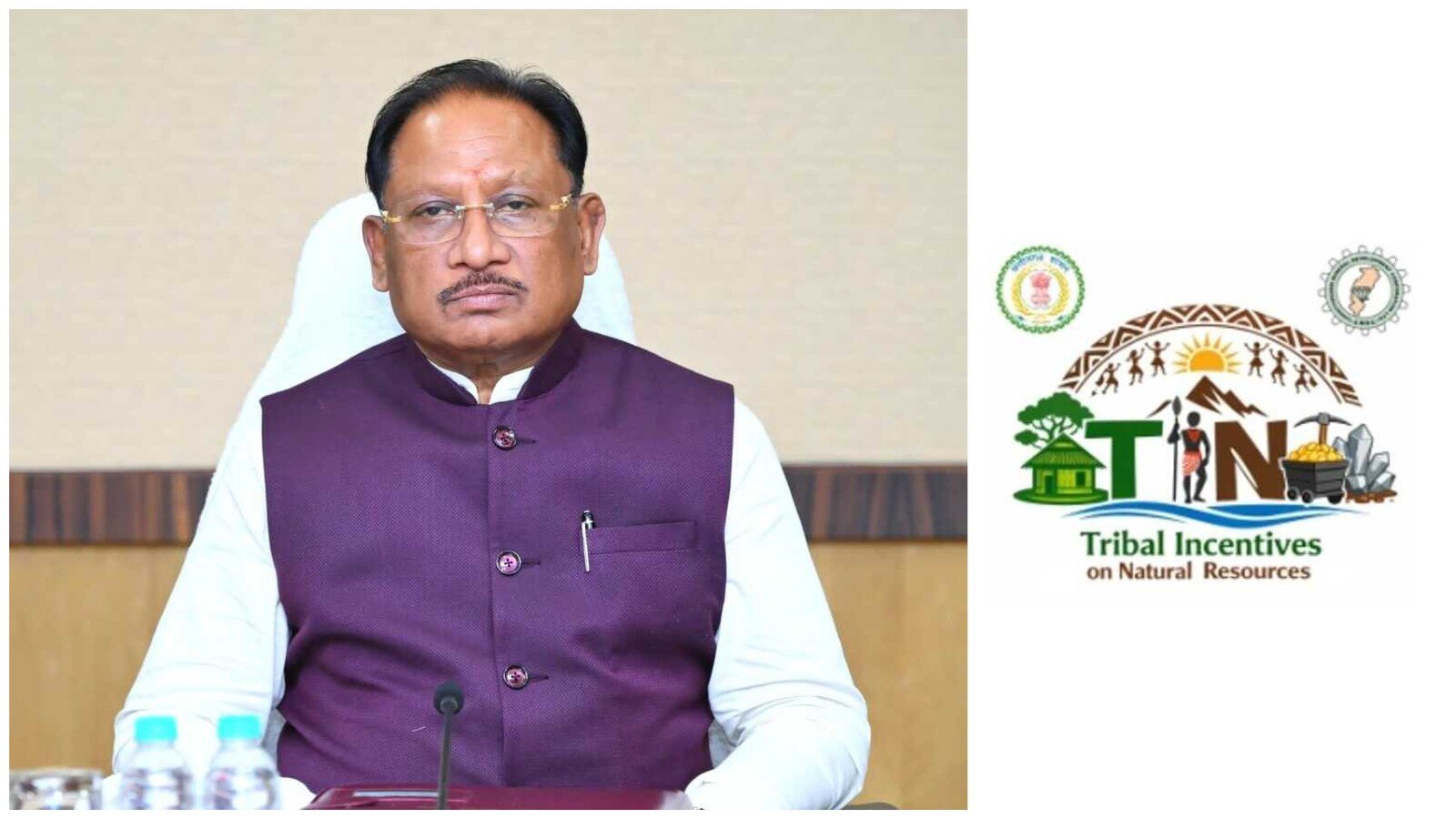
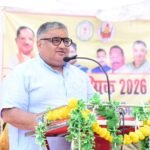
Chhattisgarh Chief Minister Vishnu Deo Sai and the identity of the newly launched TIN—Tribal Incentives on Natural Resources—portal. Introduced on Monday, August 31, 2026, the digital platform will provide Bastar’s tribal tin collectors with LME-linked pricing, direct bank payments and transparent monitoring of procurement-Photo Credit:primelookindia.com
LME-linked pricing, direct bank payments and real-time monitoring will connect Bastar’s mineral resources with transparent and sustainable tribal livelihoods
Key Highlights
- TIN stands for Tribal Incentives on Natural Resources.
- Tin prices will be linked to London Metal Exchange rates.
- Payments will reach collectors’ bank accounts through DBT.
- Six purchasing centres are operational and three more are proposed.
- QR verification, SMS alerts and real-time monitoring will improve transparency.
- A new SOP reduces sampling costs and simplifies tin procurement.
- CMDC and Indian Overseas Bank sign an MoU for financial cooperation and transparent payments.
Chhattisgarh Chief Minister Vishnu Deo Sai has launched the TIN portal to connect the state’s mineral resources with the economic empowerment of tribal communities engaged in collecting tin ore in the Bastar region.
Developed by Chhattisgarh Mineral Development Corporation Limited in collaboration with Indian Overseas Bank, TIN—Tribal Incentives on Natural Resources—will digitise the entire process from purchasing and transporting tin ore to price determination, sale and payment.
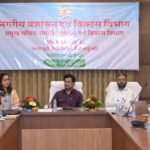
Sai launched the portal in Raipur on Monday, August 31, 2026, in the presence of Union Minister of State for Coal and Mines Satish Chandra Dubey, Union Minister of State for Housing and Urban Affairs Tokhan Sahu, CMDC Chairman Saurabh Singh and senior officials.
The Chief Minister described TIN as a “mineral-to-livelihood” initiative intended to ensure that the economic benefits generated from Chhattisgarh’s natural resources reach tribal families directly, transparently and within a defined time.
“The TIN portal connects mineral resources with tribal livelihoods and represents an important step towards sustainable, inclusive development and the economic self-reliance of tribal communities,” Sai said.
The portal will determine prices using London Metal Exchange rates, allowing collectors to receive payments aligned more closely with prevailing market conditions.
Proceeds from tin sales will be transferred directly to beneficiaries’ bank accounts through the Direct Benefit Transfer system. The arrangement is expected to reduce the involvement of intermediaries, limit payment delays and provide tribal families with a more secure and reliable income.
Digital registration and identification of beneficiaries, integration with banking services, QR code-based verification, smart cards, online stock management, automatic payment calculations, electronic reporting and a complete audit trail have been incorporated into the platform.
Beneficiaries will receive SMS alerts and digital updates about transactions and payment status. CMDC’s headquarters, regional offices and purchasing centres will be connected through a real-time monitoring system covering procurement, stock, revenue and payments.
Six Purchasing Centres Operational, Three More Planned
CMDC currently purchases tin ore from tribal beneficiaries through six centres in the Bastar division. These include Bacheli, Katekalyan and Chikpal in Dantewada district and Tongpal, Nama and Chintalnar in Sukma district.
Three additional tin collection and purchasing centres are proposed in Bastar, Dantewada and Sukma. The expansion is intended to reduce the distance travelled by collectors and bring more beneficiaries from remote communities into the formal procurement system.
A new standard operating procedure has also been introduced for the purchase and sale of tin ore.
Separate sampling arrangements will be made for each purchasing centre, while the number of samples required has been reduced from 12 to six. Each sample will be standardised at 50 grams, and reanalysis will be available when testing results are disputed.
The monthly analysis charge has been reduced from ₹14,400 to ₹7,200. CMDC estimates that these changes could save approximately ₹10 lakh annually while making testing and analysis more efficient.
Regular determination of procurement, transportation and sale rates is also expected to bring greater clarity to the system.
Tribal communities in southern Bastar have collected tin ore for many years. Five tin-ore collection cooperative societies were constituted under the Dantewada regional office in 2013. The portal will bring this community-based arrangement onto a common digital platform and develop tin collection as a more organised and sustainable livelihood.
CMDC paid approximately ₹90.82 lakh for 8,707.2 kilograms of tin ore purchased from tribal beneficiaries during 2024–25. Payments increased to approximately ₹3.81 crore for 20,895.335 kilograms during 2025–26.
The portal is intended to serve not merely as a payment mechanism but as a digital-governance platform for managing the tin mineral value chain.
Real-time data will help the government monitor procurement and revenue, while CMDC will be able to reduce paperwork and improve stock tracking, audit compliance, payment management and supervision of purchasing centres.
The data generated through the system could also assist the government in framing future policies and livelihood programmes for mineral-producing tribal regions.
An MoU was signed between CMDC and Indian Overseas Bank during the programme. The agreement is expected to strengthen financial cooperation, facilitate transparent payments to tin collectors and help beneficiaries secure a greater share of the value generated from their produce.
By combining market-linked prices, direct payments, digital identity, banking integration and real-time supervision, the initiative seeks to ensure that tribal tin collectors receive the maximum possible economic benefit from locally available natural resources.

YOU MAY LIKE THIS