Reg No. - CHHBIL/2010/41479ISSN - 2582-919X

When Love Turns Deadly: The Disturbing Rise of Betrayal in Relationships- By- Kumar Bahukhandi ( Editorial)
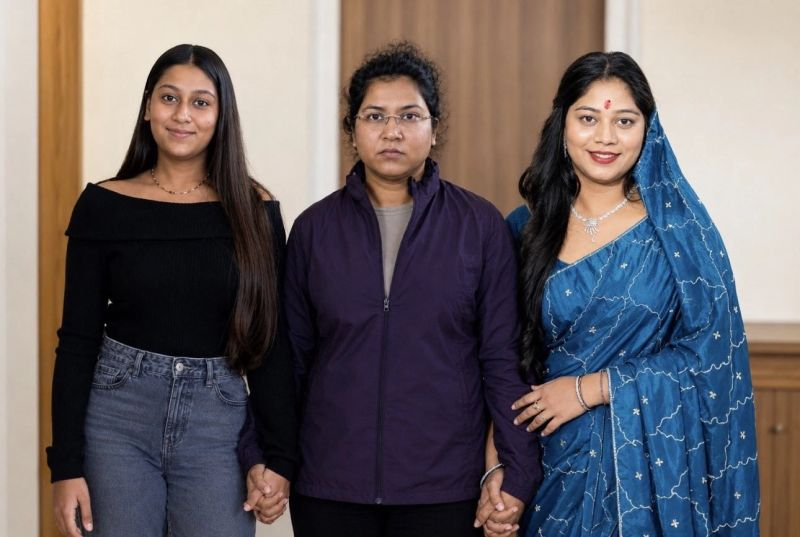
Love should inspire trust, not betrayal. Recent tragedies remind us that honesty is always better than deception.-Photo Credit -Linkedin
Love is often described as the purest of human emotions—a bond built on trust, commitment, and sacrifice. Yet, in recent years, a series of shocking crimes has exposed a chilling contradiction: relationships that appear loving on the surface sometimes conceal deception, manipulation, and even murder.
The recent Maharashtra case has once again brought this disturbing reality into focus. According to investigators, a young woman, Siya Goyal, allegedly conspired with her boyfriend, Chetan Chaudhary, to murder her fiancé, Ketan Vishal Agarwal, by pushing him into a 400-foot gorge at Lohagad Fort during what was supposed to be a birthday celebration. The incident has drawn comparisons with the widely discussed Raja Raghuvanshi case, where a relationship also allegedly ended in a carefully planned killing.
What makes such cases particularly shocking is that the victims often have no reason to suspect betrayal. They are educated, financially secure, and planning a future with someone they trust. Weddings are arranged, families celebrate together, and dreams are built—only for everything to collapse in an act of unimaginable violence.
The tragedy extends far beyond the loss of a single life. Families are shattered, parents lose their children, and public trust in relationships suffers. Every such incident leaves society asking the same painful question: If someone no longer wishes to continue a relationship or an arranged marriage, why choose murder instead of honesty?
The answer does not lie in gender. Crimes driven by jealousy, greed, fear, or obsession have been committed by both men and women. What these cases reveal is not the nature of one gender but the dangerous mindset of individuals who believe that violence is an acceptable escape from emotional or personal conflicts.
In a healthy society, people must be encouraged to make their own marital choices while also accepting the responsibility that comes with those choices. If someone does not wish to marry, they have every right to say no. Breaking an engagement may be painful, but it is infinitely better than destroying lives through violence. Families, too, must create an environment where young adults can express their concerns without fear of judgment or coercion.
These incidents also highlight the importance of emotional maturity and mental well-being. Love should never become a justification for manipulation, revenge, or crime. A relationship founded on lies is not love; it is exploitation.
The increasing publicity surrounding such cases should serve as a warning, not a source of sensationalism. Society must focus on promoting honesty, open communication, and respect for human life. Whether a relationship succeeds or fails, the answer can never be violence.
Murder committed in the name of love is one of life’s greatest paradoxes. Love is meant to protect, nurture, and inspire. The moment it demands betrayal or bloodshed, it ceases to be love altogether. The true lesson from these tragic incidents is simple yet profound: when trust dies, relationships end—but when humanity dies, entire families are left to suffer forever.

YOU MAY LIKE THIS