Reg No. - CHHBIL/2010/41479ISSN - 2582-919X

Uttarakhand at 26: What It Takes to Build a Life in the Hills-By Kumar Bahukhandi
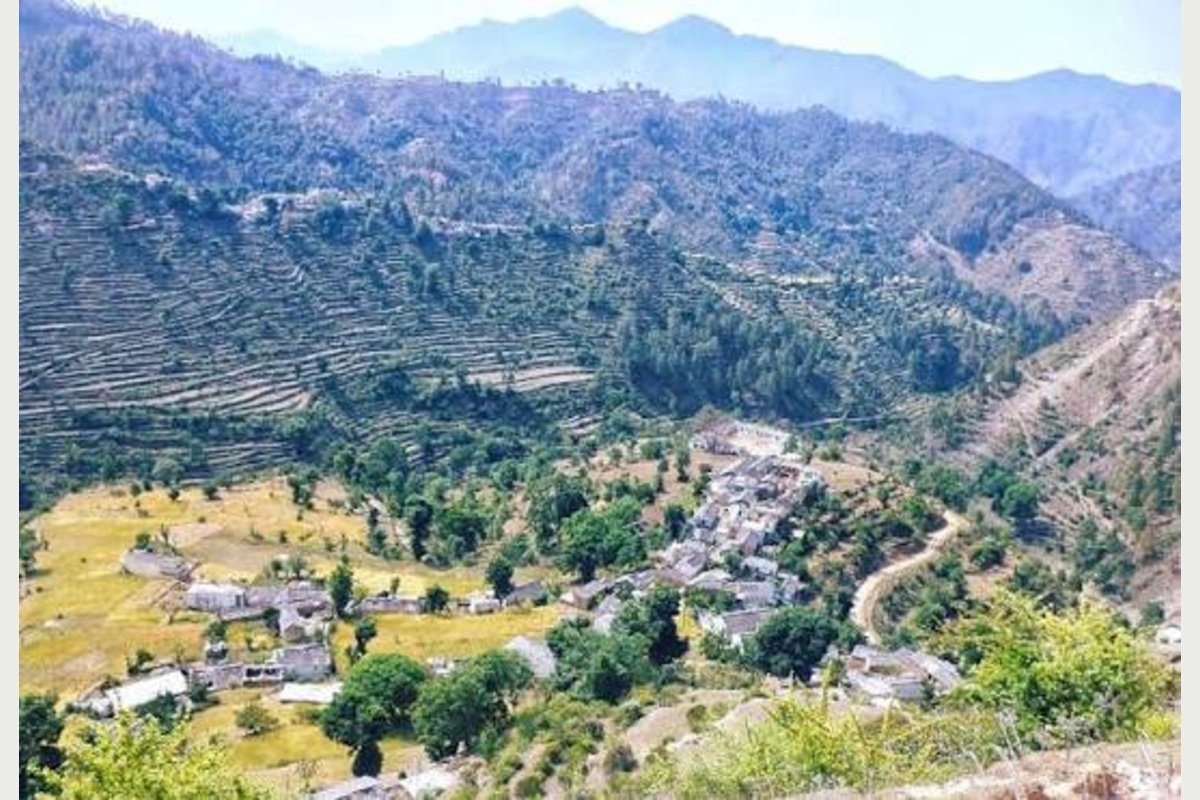
A road winds past village homes and terraced fields in the hills of Uttarakhand.
The statehood movement brought government closer to the people of Garhwal and Kumaon. Twenty-six years on, the promise of 9 November is measured in the choices people have about where to study, work and raise a family.
Every Foundation Day invites Uttarakhand to look back at the movement that made it a state. It also invites a more personal question. If a young person wants to build a life in the village where they grew up, what would make that choice possible? The answer might be a reliable road, a nearby college, a health centre with staff or work that pays enough to support a family. These are ordinary needs. In the hills, the distance between a home and the place where those needs can be met gives them particular weight.
On 9 November 2000, the hill districts and adjoining areas were carved out of Uttar Pradesh to form India’s 27th state. It was initially called Uttaranchal. The demand for statehood had a practical urgency. A school, a road or a health centre could look adequate on paper while remaining hours away from the people it was meant to serve. A government based closer to the hills was expected to understand those distances and plan around them.
The Freedom to Stay
People leave home for many reasons. A student may want to study in Delhi, a nurse may find better work in Dehradun, and a family may move to the plains to be closer to a hospital. Each of those decisions can open doors. The harder question is what happens when a family would prefer to stay and finds that too many of the essentials of daily life are elsewhere.
That distinction matters on Foundation Day. A young person who leaves for college should have a fair chance to return and find work. A farmer should be able to sell produce without losing much of its value on the journey to market. An older resident should be able to see a doctor without arranging an entire day around the trip. The value of a road, a school or a clinic becomes clear in the time it gives back to the people who use it.
Who Benefits When the Hills Prosper?
A busy tourist season can bring income to a homestay owner, a taxi driver, a guide or a shopkeeper. It can also leave a town with more waste to collect and more demand on its water supply. Both sides of that experience belong in any account of development. Visitor numbers tell us how many people came. To understand what the season meant for residents, it helps to ask who earned from it, how long that work lasted and what the town had to spend to manage the crowds.
The same attention to local conditions belongs in decisions about construction. A road that shortens the journey to a hospital can change a family’s life. Its usefulness also depends on whether it stays open during the monsoon and whether the slope above it can withstand heavy rain. Uttarakhand’s terrain makes those considerations part of the job from the moment a project is planned.
What the Next Generation Inherits
Uttarakhand is often introduced to the rest of India through its pilgrimage routes and mountain landscapes. For the people who live there, it is also the place where children hear Garhwali or Kumaoni at home, where families gather for festivals, and where the names of fields, springs and footpaths carry memories that rarely make it into official records. Those ties can survive a move to another city. They are easier to pass on when children can spend time in the places where those words and memories still have a daily use.
The people who pressed for statehood understood that the hills needed a greater say in decisions about their future. Twenty-six years later, that aspiration still has a practical meaning. It is there in the young graduate who wants to come back, the family that wants to keep cultivating its land, and the village that wants its school to remain open. On 9 November, those are the lives worth putting at the centre of the celebration.