Reg No. - CHHBIL/2010/41479ISSN - 2582-919X

Trump Unlikely to Accept Iran’s Latest Peace Plan to End War: Report
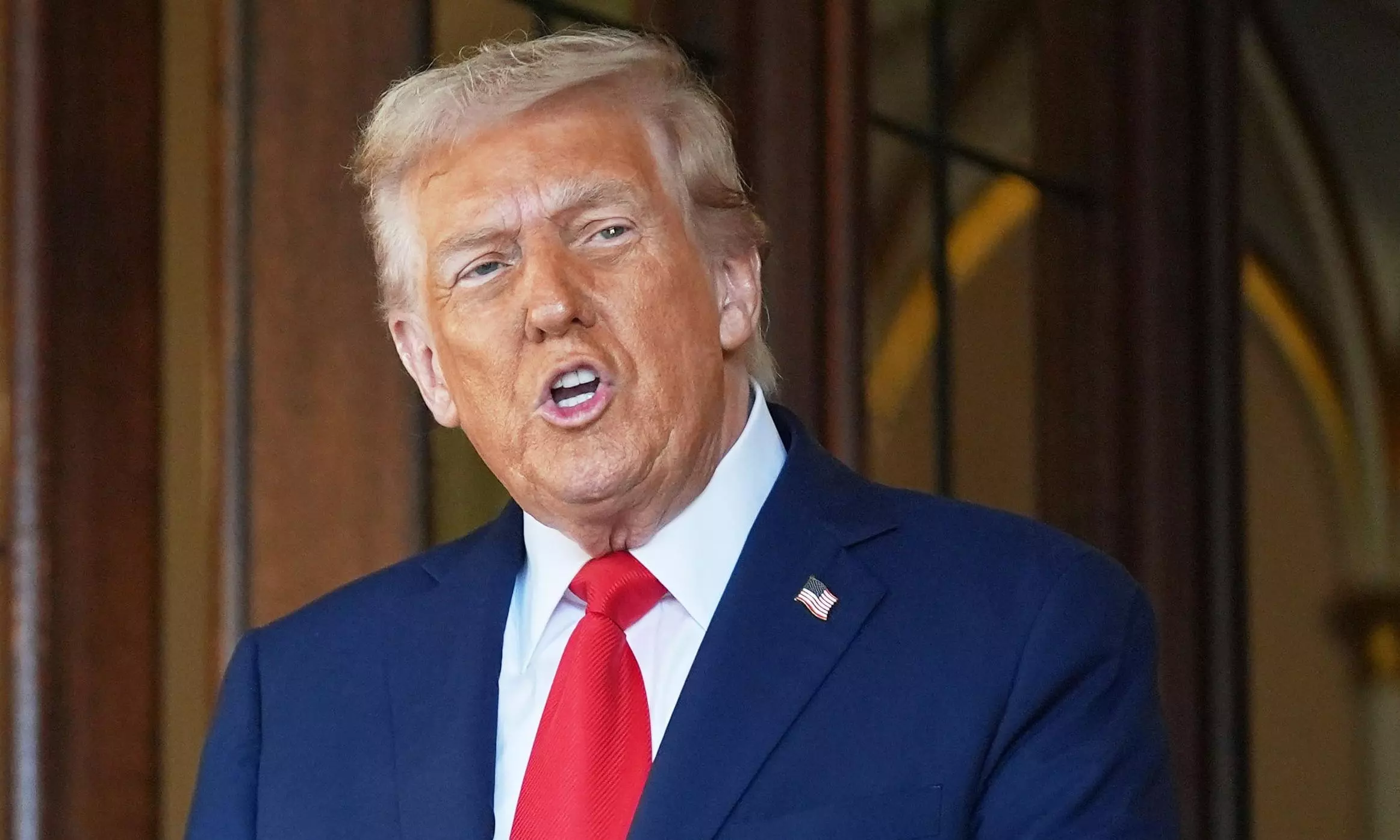
US President Donald Trump (AP)
The Iranian proposal reportedly suggests restoring maritime traffic through the Strait of Hormuz, while postponing key issues related to its nuclear programme for future discussions
US President Donald Trump indicated on Monday April 27, 2026 that he is inclined to reject a recent diplomatic proposal from Iran aimed at halting ongoing hostilities, according to a CNN report.
The Iranian proposal reportedly suggests restoring maritime traffic through the Strait of Hormuz, while postponing key issues related to its nuclear programme for future discussions. Sources said Trump expressed reservations during a high-level meeting with national security aides. One source noted he is “not likely to accept the plan,” which was delivered to Washington in recent days.
Officials are concerned that reopening the waterway without addressing Iran’s nuclear enrichment or its stockpile of near-bomb-grade uranium would remove a key source of US diplomatic leverage. At the same time, maintaining the blockade risks prolonging high energy prices, contributing to rising fuel costs in the United States. The administration’s next steps remain unclear.
US representatives are also wary of internal divisions within Iran’s leadership. According to CNN, officials are uncertain who holds ultimate decision-making authority over any potential agreement.
Despite the stalemate, Trump has expressed hesitation about resuming a US bombing campaign, which remains paused following a ceasefire extension last week. The White House has declined to share details of ongoing discussions. Assistant press secretary Olivia Wales said the US would not negotiate publicly and emphasized that any deal must prevent Iran from obtaining a nuclear weapon.
According to The New York Times, Trump met national security advisers in the Situation Room to review developments. Sources said he is dissatisfied with Iran’s proposal, which has drawn mixed reactions within the administration.
Marco Rubio described the proposal as “better than expected” but raised concerns about Iran’s internal stability. He questioned whether Supreme Leader Mojtaba Khamenei holds real authority, asking if he is truly making decisions or if others are acting behind the scenes.
Meanwhile, Iran has sought support from allies. Foreign Minister Abbas Araghchi travelled to Moscow for talks with Vladimir Putin.
Araghchi blamed Washington for the lack of progress, accusing the US of derailing negotiations with excessive demands. He said earlier talks had shown promise but ultimately failed due to what he described as a hardline American approach.
( Source : ANI )

YOU MAY LIKE THIS