Reg No. - CHHBIL/2010/41479ISSN - 2582-919X

Tribal communities bore brunt of Maoist violence, were kept from voting, says PM Modi
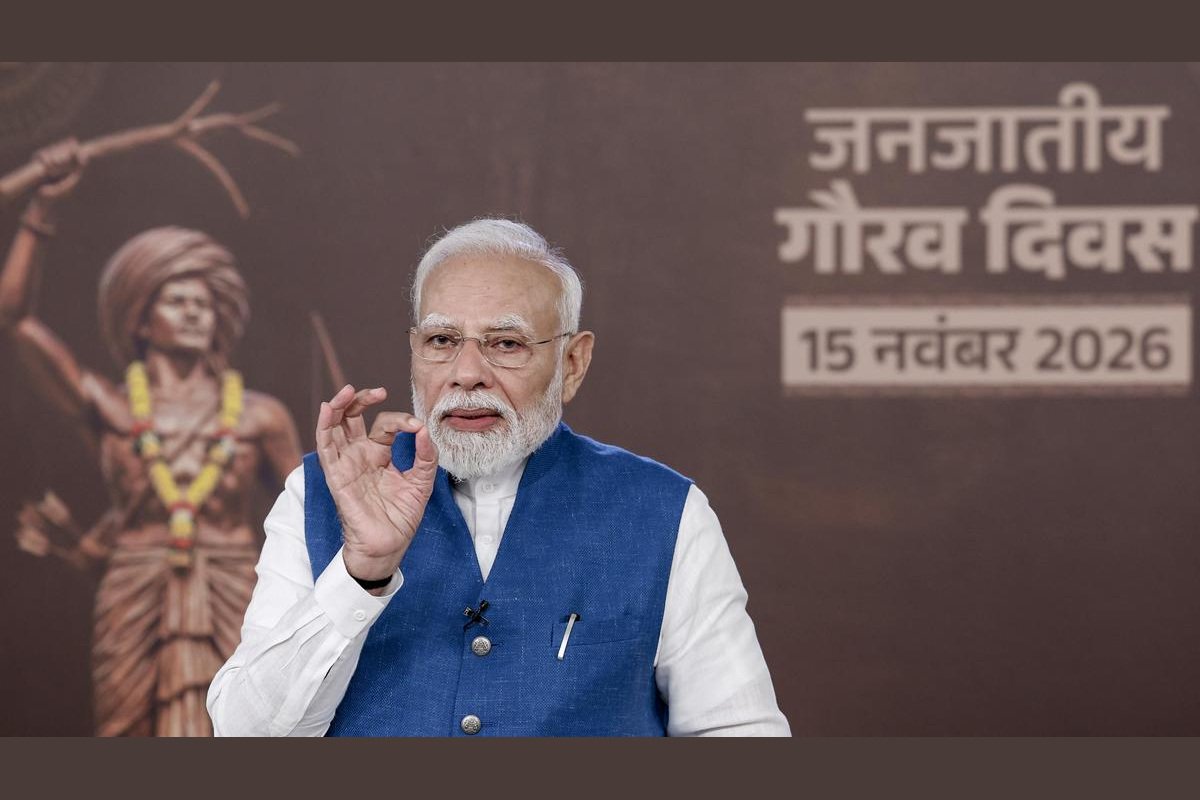
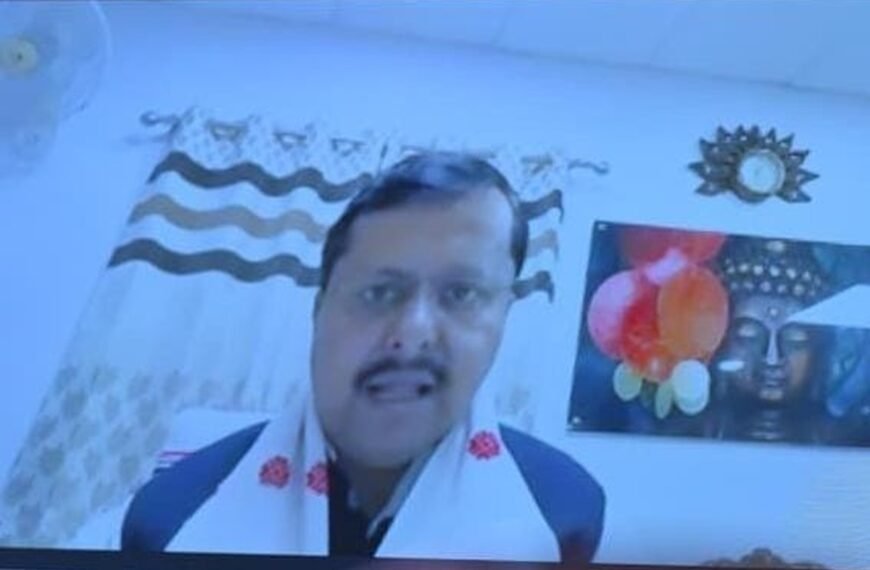
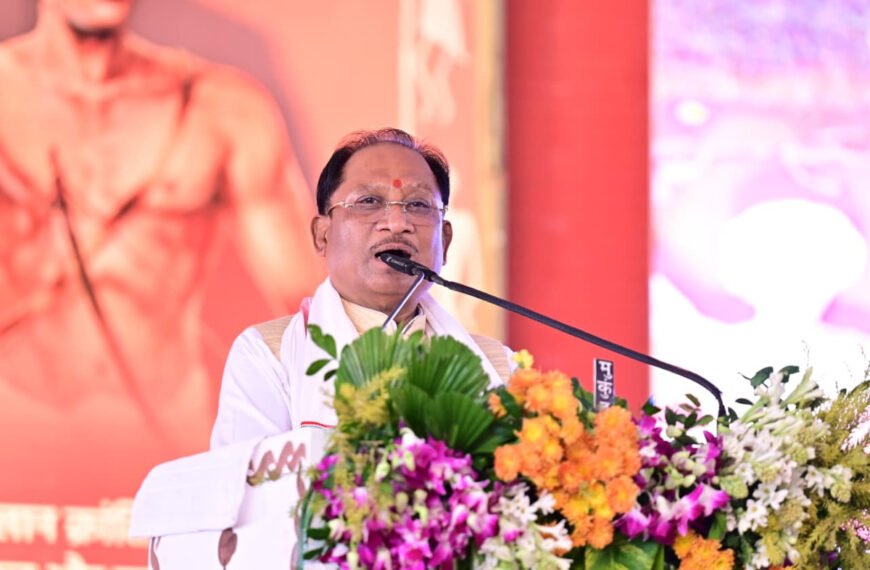
Prime Minister Narendra Modi addresses the Janjatiya Gaurav Diwas programme in Gadchiroli, Maharashtra, by video link on 15 November 2026, marking the 151st birth anniversary of tribal freedom fighter Bhagwan Birsa Munda.Photo: @narendramodi/X
Addressing Janjatiya Gaurav Diwas in Maharashtra’s Gadchiroli by video link, the Prime Minister accused previous governments of failing to protect tribal communities. The ceremony marked Birsa Munda’s 151st birth anniversary and featured development projects worth about ₹3,000 crore.
Key Highlights
- Modi said Maoist intimidation prevented members of tribal communities from voting in affected areas and accused previous governments of standing by.
- Of the 246 projects worth about ₹3,000 crore, Modi inaugurated 173 and laid the foundation stones for 73. The projects span several states.
- The projects include 38 Eklavya Model Residential Schools and 100 community centres opened under PM-JANMAN, as well as 19 more residential schools for which foundation stones were laid.
- Modi also inaugurated the Ropuiliani Tribal Freedom Fighter Museum in Aizawl and the new Tribal Research Institute building in Itanagar.
New Delhi: Prime Minister Narendra Modi said on Sunday that tribal communities bore the heaviest toll of Maoist violence and that people in affected areas had even been prevented from voting. Addressing the Janjatiya Gaurav Diwas gathering in Gadchiroli, Maharashtra, by video link on 15 November 2026, he accused previous governments of failing to intervene as Maoists intimidated villagers and took children and young women from their families.
“You will be surprised to learn that members of our tribal communities were not even allowed to vote,” Modi said, describing earlier governments as silent spectators. The Prime Minister said the effects of that violence were felt long after individual attacks, citing young people whose education and prospects for work had been disrupted.
Modi invokes Gadchiroli and Bastar
Modi said Maoist violence had once affected around 125 districts and that tribal communities had suffered most. He claimed India had overcome Maoist violence and said young people in formerly affected areas were gaining access to education and employment. He recalled spending Diwali with security personnel in Chhattisgarh’s Bastar and linked that visit to his remarks about changing conditions in areas such as Gadchiroli.
The Prime Minister said the Centre had allocated more than ₹1 lakh crore to two programmes aimed at reaching tribal communities with limited access to basic services. The Pradhan Mantri Janjati Adivasi Nyaya Maha Abhiyan, or PM-JANMAN, focuses on Particularly Vulnerable Tribal Groups. The Dharti Aaba Janjatiya Gram Utkarsh Abhiyan covers a wider set of tribal villages. Modi also pointed to work in more than 100 Aspirational Districts and over 500 Aspirational Blocks, many of which have sizeable tribal populations.
Residential schools, community centres and markets
The programme covered 246 projects across several states, with a combined value of approximately ₹3,000 crore. The 173 projects inaugurated included 38 Eklavya Model Residential Schools and 100 multipurpose centres under PM-JANMAN. The centres are intended to give residents a place to access public services and hold community activities.
Modi laid the foundation stones for another 19 Eklavya schools and 12 Tribal Multipurpose Marketing Centres. The marketing centres are intended to improve access to markets for tribal producers. A further 42 projects under PM-JANMAN and the Dharti Aaba programme formed part of the foundation-laying programme.
Two of the projects focused on tribal history and heritage. In Aizawl, Modi inaugurated the Ropuiliani Tribal Freedom Fighter Museum, named for a nineteenth-century Mizo chieftain who resisted British colonial rule. He also inaugurated the new Tribal Research Institute building in Itanagar, Arunachal Pradesh.
Remembering Birsa Munda and other tribal freedom fighters
Modi opened his address with Johar and paid tribute to Bhagwan Birsa Munda, widely remembered as Dharti Aaba, or Father of the Earth. He recalled Birsa’s Ulgulan against British colonial oppression and placed it alongside other struggles, including those associated with Tirot Sing in the Khasi Hills, the Santhal rebellion led by Sidho and Kanho, and Govind Guru’s followers at Mangarh. In Maharashtra, he recalled Raghoji Bhangre, Bhagoji Naik and Veer Baburao Shedmake.
The Union Cabinet designated 15 November as Janjatiya Gaurav Diwas in 2021 to commemorate tribal freedom fighters and recognise the cultural heritage of Adivasi communities. The Gadchiroli programme concluded the fortnight-long Janjatiya Gaurav Pakhwada, which included a tribal literary festival, health and nutrition camps and community service programmes in tribal villages.

YOU MAY LIKE THIS