Reg No. - CHHBIL/2010/41479ISSN - 2582-919X

Supreme Court Cancels Sonam Raghuvanshi’s Bail, Restores the Primacy of a Fair Trial-By-Kumar Bahukhandi
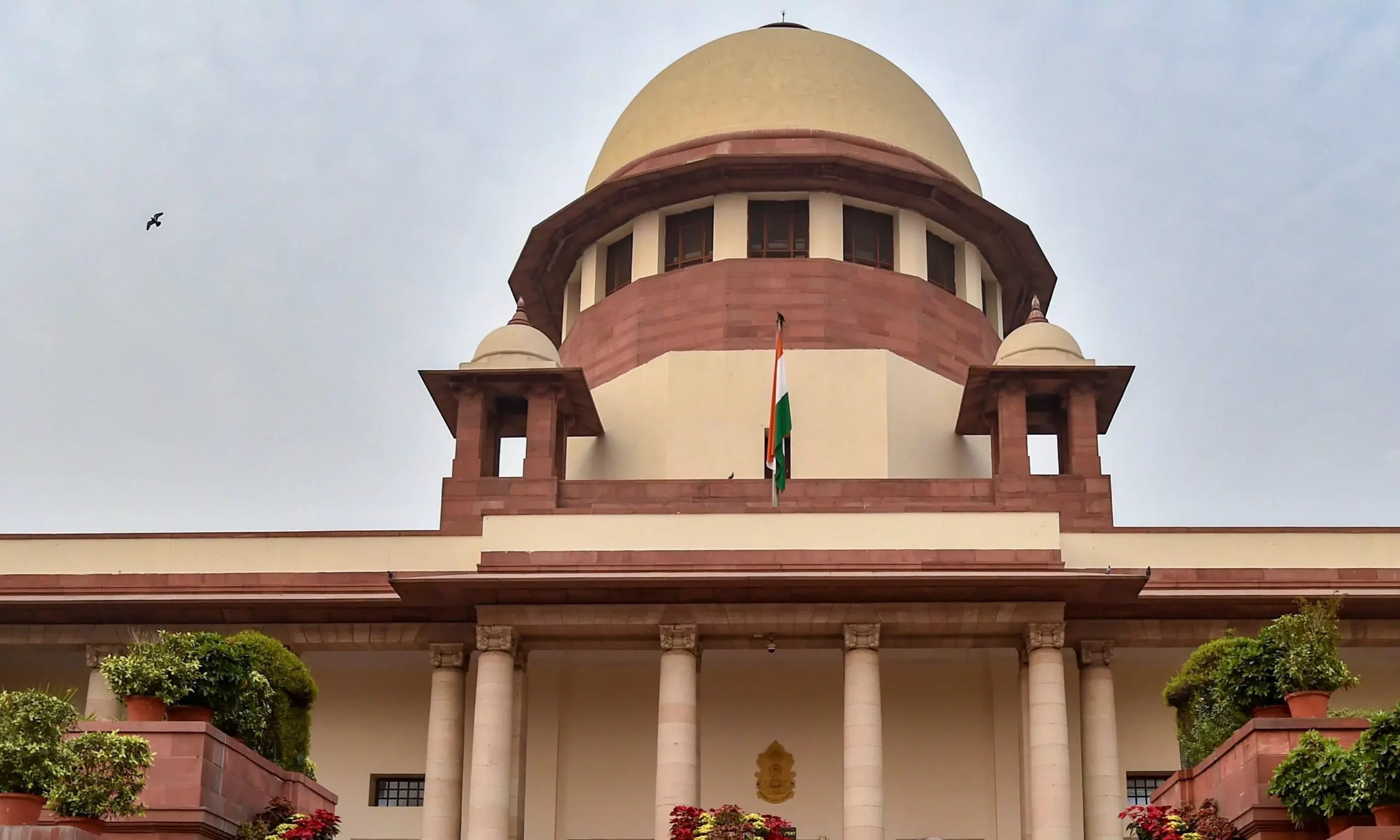
The Supreme Court of India has cancelled the bail granted to Sonam Raghuvanshi and directed her to surrender before the trial court within three weeks in the Meghalaya honeymoon murder case on Thursday July 23, 2026 -Image (File Photo)
The order directing the murder accused to surrender within three weeks underlines that personal liberty must be balanced against the seriousness of the charge, the protection of witnesses and the integrity of judicial proceedings.
The Supreme Court’s decision to cancel the bail granted to Sonam Raghuvanshi marks a significant turn in one of the country’s most closely followed criminal cases. The Court has directed her to surrender before the trial court within three weeks, setting aside the relief she had previously received.
Sonam is the principal accused in the alleged murder of her husband, Raja Raghuvanshi, during their honeymoon in Meghalaya in May 2025. The allegations remain subject to proof before the trial court, and she must continue to be treated as innocent unless convicted through due process. At the same time, the seriousness of the accusation makes it essential that the trial proceed without interference, intimidation or avoidable procedural controversy.
This distinction is central to the administration of criminal justice. Cancellation of bail is not a declaration of guilt. It is a judicial determination concerning the conditions under which an accused person should face trial.
Liberty and Responsibility
Indian criminal jurisprudence rightly recognises that bail should ordinarily be the rule and imprisonment before conviction an exception. Personal liberty cannot be casually taken away merely because an allegation is grave or public sentiment is intense.
But that principle cannot be applied mechanically.
Courts must also consider the nature of the accusation, the available evidence, the possibility of witnesses being influenced and the need to preserve confidence in the legal process. When the alleged offence involves a carefully planned killing and the prosecution has yet to examine important witnesses, judicial caution becomes necessary.

Sonam Raghuvanshi, the principal accused in the alleged murder of her husband Raja Raghuvanshi, has been ordered to return to custody; the allegations against her are yet to be proved at trial-Photo Credit-primelookindia.com
The Supreme Court’s intervention therefore reflects a balance rather than a rejection of the principle of liberty. The Court is not punishing the accused before trial; it is attempting to ensure that the trial itself remains credible.
Technical Errors Cannot Eclipse Substantive Justice
The controversy surrounding Sonam’s release had raised a larger institutional question: should bail in a serious criminal matter substantially depend upon a technical or clerical defect?
Earlier, the Supreme Court had expressed reservations over the manner in which bail had been granted, although it initially declined to stay the order because the accused had already been released.
Procedural safeguards are not meaningless formalities. They protect citizens from arbitrary arrest and misuse of state power. Yet procedure must serve justice—not defeat it.
A typographical mistake, incorrect reference or drafting defect should certainly be examined by a court. However, it should not automatically overshadow the complete factual record, particularly in a murder prosecution. Courts must distinguish between an error that genuinely damages the legality of detention and one that can be corrected without undermining the proceedings.
The judicial system loses credibility when technicalities appear to determine outcomes while the central merits of a case remain insufficiently considered.
Public Attention Must Not Become a Parallel Trial
The sensational nature of the case has encouraged extensive speculation about relationships, motives and alleged conspiracies. Such reporting may attract attention, but it can also create a parallel trial in the media.
Neither public anger nor television debate can replace admissible evidence.
Sonam Raghuvanshi has been accused of a deeply disturbing crime, but the prosecution must establish every essential allegation before a competent court. She is entitled to legal representation, an impartial hearing and the opportunity to challenge the evidence against her.
Similarly, Raja Raghuvanshi’s family is entitled to a trial that moves forward without unnecessary obstruction. Justice for the victim’s family does not mean presuming guilt. It means ensuring that the evidence is tested honestly and that the eventual verdict is based on law.
The Trial Must Now Proceed Without Delay
The Supreme Court’s order should not become another dramatic event followed by months or years of stagnation.
Once the accused surrenders, the priority must be the timely examination of crucial prosecution witnesses. The trial court should protect witnesses from pressure, prevent needless adjournments and ensure that both the prosecution and defence receive a fair opportunity to present their cases.
Speed alone is not justice, but unjustified delay is equally dangerous. It prolongs the suffering of the victim’s family, keeps the accused under an indefinite cloud and weakens the quality of evidence.
The case must now move away from speculation and toward a disciplined judicial determination.
The Supreme Court has corrected what it considered an unsustainable grant of liberty at this stage. The greater responsibility now lies with the trial process—to establish the truth without prejudice, fear or delay.

YOU MAY LIKE THIS