Reg No. - CHHBIL/2010/41479ISSN - 2582-919X

Skill Training Opens New Livelihood Opportunities for Bastar Youth and Rehabilitated Former Maoists
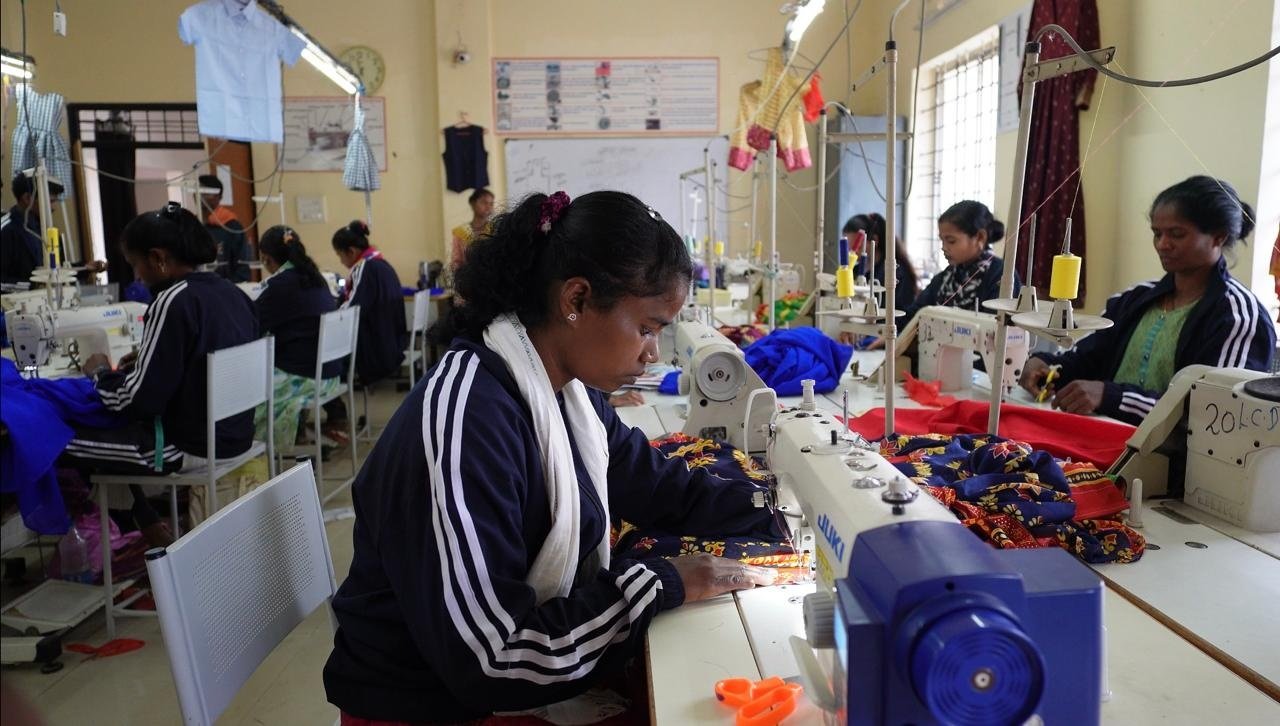
Women practise sewing machine operation during a vocational training session in Chhattisgarh. The photograph accompanies the state government’s October 28, 2026, release on skill development and rehabilitation initiatives. Photo: primelookindia.com via CG/DPR
State reports training for 2,323 rehabilitated individuals; Niyad Nellanar 2.0 expands access to employment and self-employment in affected areas
Key Highlights
- 2,323 rehabilitated former Maoists have received training in different trades, according to the state government.
- Under Niyad Nellanar 2.0, the government reports that 1,11,165 young people have been trained and 50,053 placed in employment across 10 districts.
- Courses include electrical work, masonry, solar installation, vehicle repair and sewing machine operation.
- Six rehabilitation centres have been registered as Vocational Training Providers.
- A provision of ₹7.80 crore has been made to expand residential training facilities in areas affected by left-wing extremism.
- Steps are being taken to establish a Skill Development Centre in every development block of Bastar division.
Raipur: Skill training is opening new avenues for employment and self-employment among young people in Chhattisgarh’s conflict-affected areas, with the state government reporting that 2,323 rehabilitated former Maoists have received training in a range of trades.
According to a government release issued on Wednesday, October 28, 2026, the initiative forms part of efforts to connect surrendered Maoists and families affected by Maoist violence with sustainable livelihoods, rehabilitation and opportunities to participate in the wider economy.
The government said its approach under Chief Minister Vishnu Deo Sai combines vocational training with rehabilitation and employment support, aiming to help participants build financially independent lives.
Training in practical, employment-oriented trades
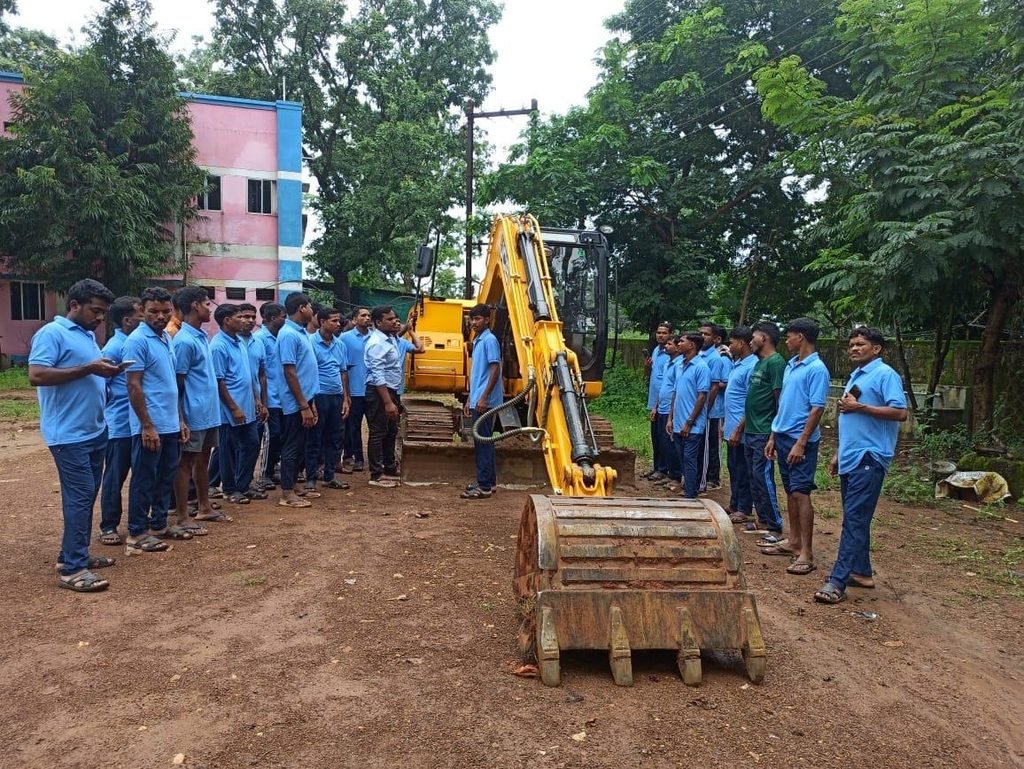
Trainees receive practical instruction beside a backhoe loader during a skill-development session in Chhattisgarh. Photo: primelookindia.com via CG/DPR
Of the 7,567 surrendered Maoists cited in the release, 2,323 have so far received skill training.
The release lists training activities in Bijapur, Dantewada, Sukma, Bastar, Narayanpur, Kanker, Kondagaon and Gariaband districts.
Participants are being trained in occupations including:
- Assistant electrician.
- Masonry.
- Solar photovoltaic installation under the Suryamitra course.
- Two-wheeler and four-wheeler repair.
- Sewing machine operation.
These courses are intended to provide practical skills that can support wage employment as well as independent work.
Niyad Nellanar 2.0: Training and placement
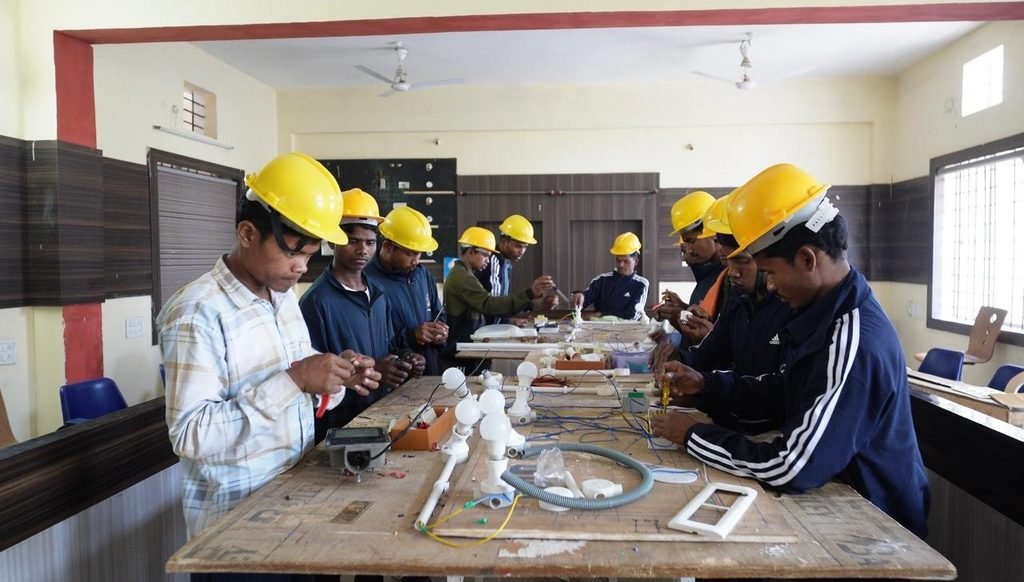
Participants practise electrical wiring during a vocational training session in Chhattisgarh aimed at developing employment-oriented skills. Photo: primelookindia.com via CG/DPR
The government said Niyad Nellanar 2.0 was extending development and livelihood opportunities to remote areas affected by Maoist violence.
Under the scheme, 1,11,165 young people have been trained across 10 districts, while 50,053 have been placed in employment, according to the release.
Within the scheme’s reported figures, 1,267 surrendered Maoists have completed training, and another 461 are undergoing training.
Separately, 779 beneficiaries affected by Maoist violence have been trained, while 191 are currently enrolled.
The initiative seeks to help affected individuals and families access new livelihoods and participate more fully in economic activity.
Employment opportunities after rehabilitation
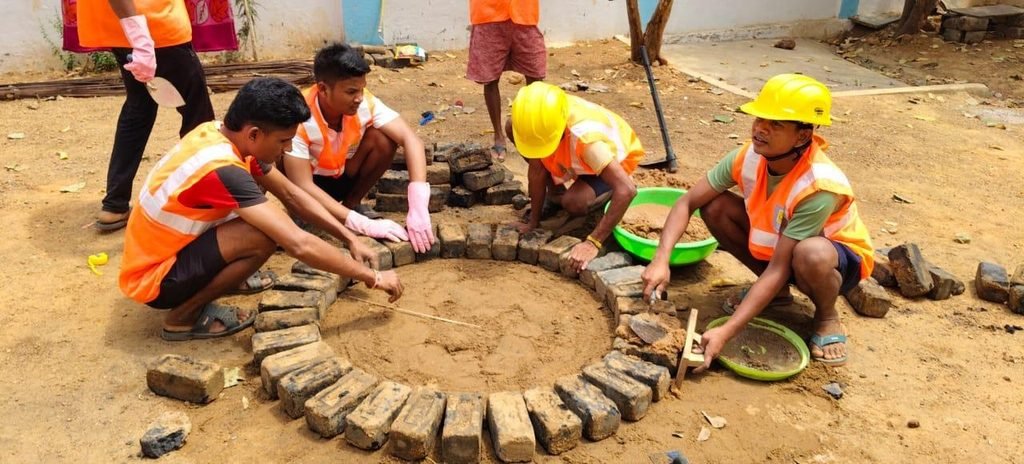
Participants practise masonry during a vocational training session in Chhattisgarh. Photo: primelookindia.com via CG/DPR
The government said efforts were being made to connect trained participants with work suited to their qualifications and interests.
In Bijapur district, trainees have obtained opportunities in garment production, masonry and independent tailoring.
In Bastar district, trained young people have been linked with work in the police force, security services, agriculture and other labour activities, according to the release.
The stated objective is to support financial independence and enable rehabilitated individuals to rebuild their lives with dignity.
Six rehabilitation centres registered as training providers
To strengthen access to structured training, six of the eight rehabilitation centres cited in the release have been registered as Vocational Training Providers.
The registered centres are in Bijapur, Dantewada, Narayanpur, Sukma, Bastar and Kanker districts.
Registration is intended to make organised, employment-oriented training more accessible to people living at the centres.
The government has also relaxed the requirement to provide an Aadhaar card at the pre-training registration stage for surrendered Maoists and young people from families affected by Maoist violence.
Aadhaar will, however, remain mandatory before assessment. The relaxation is intended to prevent eligible applicants from missing training because their documents are not yet available.
Skill centres planned at block level
Steps are being taken to establish one Skill Development Centre in each development block of Bastar division, enabling young people in remote and rural areas to access training closer to home.
In Bijapur, 30 young people have begun an Assistant Mason course under the Skill Development Centre initiative.
A provision of ₹780 lakh, equivalent to ₹7.80 crore, has also been made under a new budget head to expand residential training facilities in areas affected by left-wing extremism.
These facilities are intended to improve access for participants who live far from training institutions.
Livelihoods as part of long-term rehabilitation
The government described skill development as an important component of rehabilitation, alongside efforts to restore confidence and strengthen participation in community life.
By providing practical training and links to employment, the initiative seeks to give young people alternatives for earning a living and building a more secure future.
Its wider aim is to support lasting peace and development through economic opportunity, particularly for surrendered Maoists and families affected by violence.

YOU MAY LIKE THIS