Reg No. - CHHBIL/2010/41479ISSN - 2582-919X

Remembering Dolly Parton: She Gave Away Millions, But Wouldn’t Give Away Her Songs
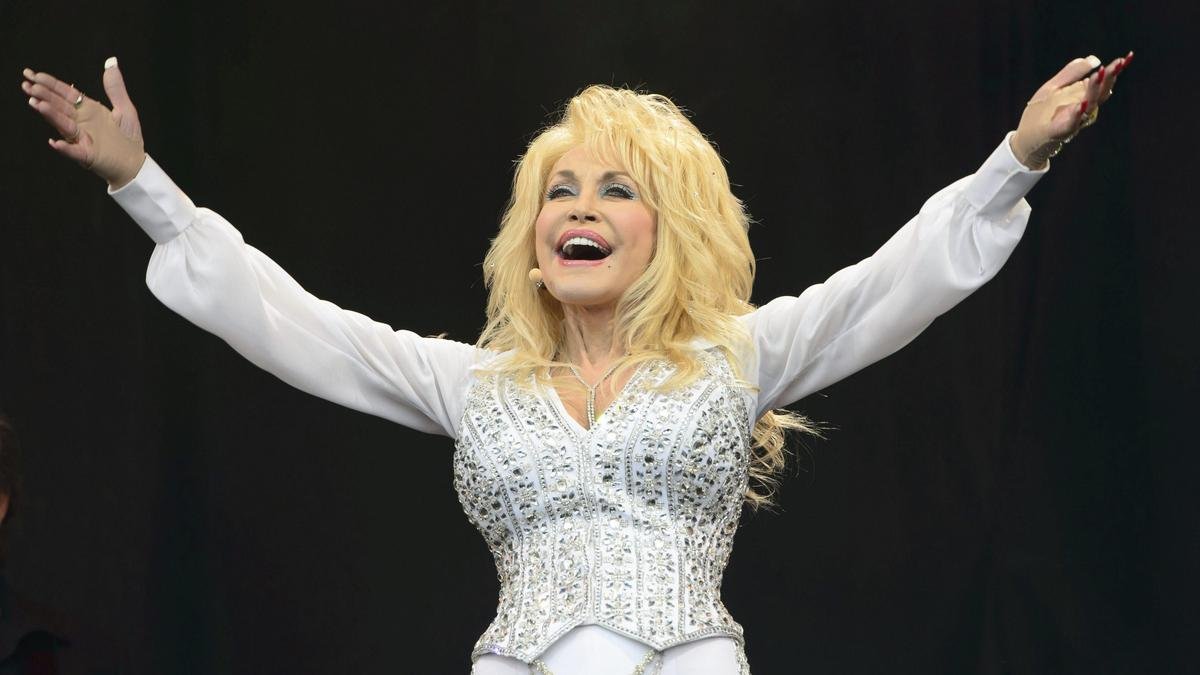
Country music legend Dolly Parton performs on stage. The singer-songwriter and philanthropist, whose career stretched across more than six decades, died on August 25, 2026, aged 80-Photo Credit : AP
The ‘Queen of Country Music’ dies at 80 after a brief battle with cancer, leaving behind a remarkable legacy of songs, philanthropy and one business decision that changed music history
Key Highlights
- Dolly Parton died on Tuesday, August 25, 2026, at the age of 80.
- Her representatives said she died at Vanderbilt-Ingram Cancer Center in Nashville after a brief battle with cancer.
- Her Imagination Library distributed more than 300 million free books to children.
- She donated $1 million towards research at Vanderbilt that contributed to development of Moderna’s COVID-19 vaccine.
- Parton famously rejected Elvis Presley’s proposed recording of I Will Always Love You rather than surrender half of its publishing rights.
- Whitney Houston’s 1992 version later transformed the song into a worldwide phenomenon — while Parton retained her publishing rights.
Dolly Parton spent much of her extraordinary life giving things away. She gave books to children, money to families devastated by disasters, support to medical research and opportunities to people who might otherwise never have received them.
There was, however, something she refused to give away: ownership of her songs.
That distinction says almost as much about Parton as the rhinestones, unmistakable voice and blonde hair that made her one of the world’s most recognisable entertainers.
Parton, the American singer-songwriter who travelled from poverty in the Tennessee mountains to international superstardom, died on Tuesday, August 25, at the age of 80. Her representatives said she died at Nashville’s Vanderbilt-Ingram Cancer Center, surrounded by loved ones, following a brief battle with cancer.
Her death closes a career spanning more than six decades, but the numbers tell only part of the story. She wrote thousands of songs, became one of country music’s defining voices and crossed effortlessly into pop culture, cinema and business.
Songs such as Jolene, Coat of Many Colors, 9 to 5 and I Will Always Love You travelled far beyond Nashville. Yet one of the most important episodes in her career concerned a version of a song that was never made.
The night Dolly Parton said no to Elvis
After Parton’s I Will Always Love You became a country hit in 1974, Elvis Presley wanted to record it.
For a young songwriter, having Elvis sing her composition could have represented the ultimate endorsement. Parton was delighted by the prospect — until Presley’s manager, Colonel Tom Parker, made clear that the arrangement required a share of the song’s publishing rights.
Parton refused.
She later recalled being deeply upset by the decision, but she understood something that many young performers discover too late: a successful song is not merely a performance. Its copyright can remain an economic asset for decades.
The US Library of Congress’ Copyright Office has documented the episode, noting that Parton controlled the publishing rights to the musical composition and that Presley’s camp sought half of those rights as part of the proposed recording arrangement.
Her decision proved remarkably consequential.
Nearly two decades later, Whitney Houston recorded I Will Always Love You for the 1992 film The Bodyguard. Houston’s soaring interpretation turned the composition into a global phenomenon and brought Parton’s songwriting to an entirely new generation.
The distinction is important: Parton did not own Houston’s sound recording, but she retained rights in the underlying composition she had written. That meant the enormous renewed success of the song generated publishing income for Parton.
The woman who protected her intellectual property so fiercely was strikingly generous with much of the wealth and influence it helped create.
Parton’s Imagination Library, launched in 1995 and inspired partly by her father’s inability to read and write, grew from a programme serving children in her home county in Tennessee into an international literacy movement. By the time of her death, it had distributed more than 300 million free books to children.
Her philanthropy extended well beyond literacy.
After devastating wildfires struck Sevier County, Tennessee, in 2016, Parton’s efforts ultimately provided millions of dollars in assistance to affected families. During the COVID-19 pandemic, she donated $1 million to Vanderbilt University Medical Center for research that contributed to the development of Moderna’s vaccine.
There was a particularly fitting connection between her literacy work and her family history.
Born on January 19, 1946, Parton was the fourth of 12 children and grew up in modest circumstances in East Tennessee. Her father, Robert Lee Parton, could not read or write. Decades later, his daughter’s name would become associated with putting books directly into the hands of millions of children.
Her flamboyant public image could sometimes obscure the formidable songwriter and businesswoman behind it. Parton understood that contradiction and frequently made herself the subject of the joke before anyone else could.
But beneath the self-deprecating humour was a woman with a clear understanding of ownership.
She could laugh about her wigs, clothes and carefully constructed image. She could give away millions. She could send books to children she would never meet and money to families whose names she would never know.
What she would not casually surrender was the work she had created.
That decision in the 1970s — saying no when having Elvis Presley record her song might have seemed irresistible — now looks less like a colourful piece of music-industry folklore and more like a lesson in creative independence.
Dolly Parton leaves behind an unusual legacy: an entertainer who became immensely wealthy without allowing wealth to become the most interesting thing about her; a celebrity whose carefully exaggerated appearance concealed considerable business discipline; and a songwriter generous enough to give away fortunes but shrewd enough to understand that generosity did not require giving away ownership of her art.
The books will continue arriving in children’s homes. The charitable institutions she supported will continue their work.
And the songs remain.
Perhaps that is why the decision she made more than half a century ago seems so appropriate now.
She gave generously from what her success produced.
But Dolly Parton never gave away the songs that made that success hers.

YOU MAY LIKE THIS