Reg No. - CHHBIL/2010/41479ISSN - 2582-919X

Opposition failed to provide proof, say presiding officers on CEC removal plea
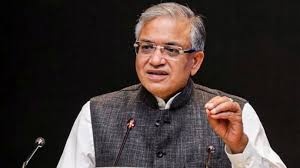
CEC Gyanesh Kumar. File Photo – Credit -Internet
Rajya Sabha Chairman C.P. Radhakrishnan and Lok Sabha Speaker Om Birla in separate orders provided point-by-point rebuttal to Opposition’s charges
New Delhi : Rajya Sabha Chairman C.P. Radhakrishnan and Lok Sabha Speaker Om Birla rejected notices moved by the Opposition MPs seeking the removal of Chief Election Commissioner (CEC) Gyanesh Kumar, holding that the Opposition failed to provide proof and the allegations levelled against him do not establish a prima facie case of “misbehaviour” as required under the Constitution.
A detailed 17-page order issued separately by the two presiding officers said the charges either lacked proof related to matters already adjudicated or were currently under judicial scrutiny. While the issues raised may be pertinent for political debate, the order notes that they did not meet the “high constitutional bar” necessary to initiate removal proceedings under Articles 324(5) and 124(4) of the Constitution or the Judges (Inquiry) Act, 1968.
The notices, submitted on March 12, were signed by 63 Rajya Sabha members and 130 Lok Sabha members and contained seven charges against the CEC. Each charge was examined and rebutted in the order.
Administrative background
On the allegation that Kumar’s appointment was “tainted” as the law governing his selection under the Chief Election Commissioner and Other Election Commissioners Act, 2023 is under challenge in the Supreme Court, the Chair said the pendency of a constitutional challenge does not amount to misbehaviour.
The claim that Gyanesh Kumar’s previous postings reflected “deep executive embeddedness” was also dismissed, with the order noting that several former CECs had similar administrative background without any presumption of bias.
Another charge, that the Election Commission applied different standards to the government and the Opposition, was rejected for lack of “clear demonstrable evidence” of abuse of authority. The Chair underlined the “sensitive and delicate” nature of the commission’s constitutional functions.
Allegations that the commission obstructed investigations into alleged electoral fraud by refusing to share information with State authorities were also dismissed. The order noted that once a First Information Report is registered, the appropriate remedy lies before a competent court. Even if such refusal were assumed, it could not constitute grounds for the CEC’s removal.
Similarly, the refusal to provide machine-readable electoral rolls to political parties was held to be in compliance with Supreme Court directions and consistent with the fundamental right to privacy recognised in the Puttaswamy judgment. The charge failed to cite any specific violation of electoral law, the order said.
Special Intensive Revision
Several charges related to the Special Intensive Revision (SIR) of electoral rolls in Bihar and its proposed nationwide expansion. The Chair observed that the Election Commission has plenary powers under Article 324 and that the SIR exercise has been extensively considered by the Supreme Court, which has affirmed the commission’s competence. Judicial directions aimed at improving transparency and fairness could not be construed as evidence of misbehaviour, particularly when the matter remains sub judice.
The allegation of contempt of court for non-compliance with the Supreme Court directions was also rejected, with the Chair noting that any deviation from judicial directions falls within the court’s contempt jurisdiction, not removal proceedings.
The final charge, that the CEC failed to maintain institutional independence, was termed vague, generalised and unsupported by specific evidence.

YOU MAY LIKE THIS