Reg No. - CHHBIL/2010/41479ISSN - 2582-919X

Janjatiya Gaurav Diwas | Honouring tribal heritage, protecting land rights and widening access to education
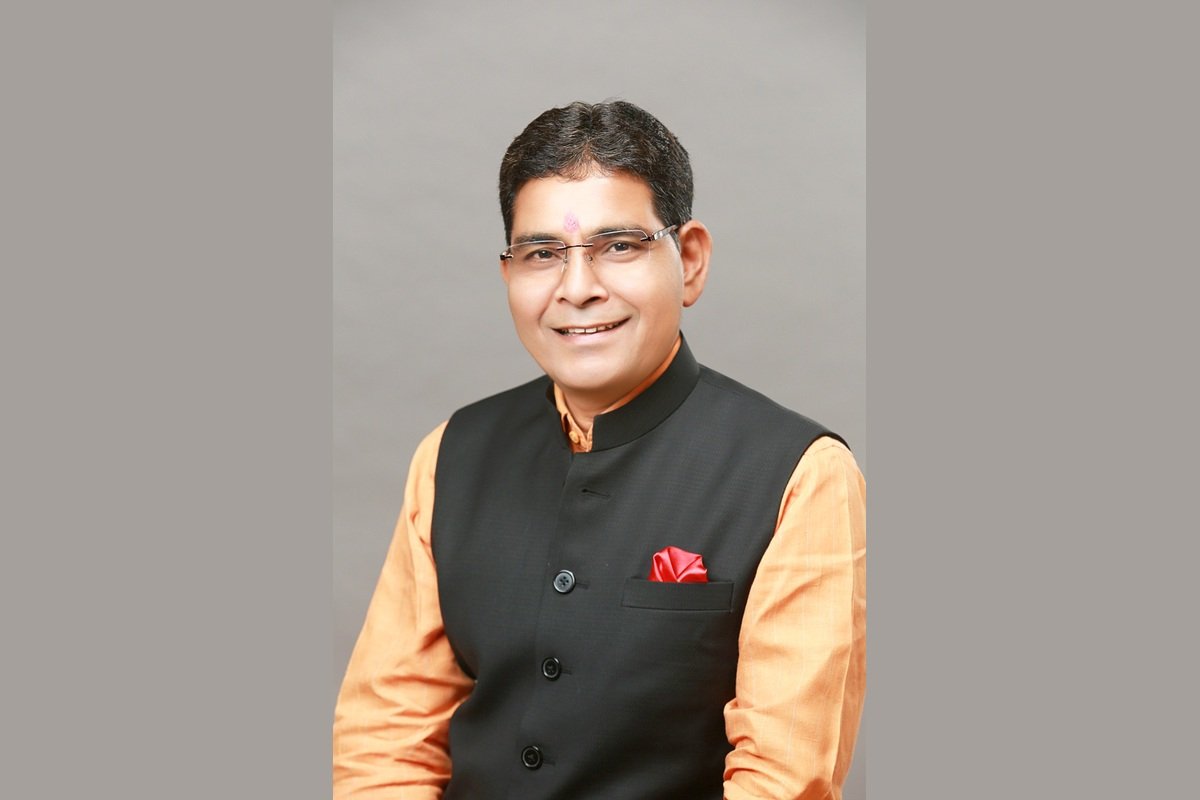
Tank Ram Verma, Chhattisgarh Minister for Revenue and Disaster Management and Higher Education. Photo: primelookindia.com via CG/DPR.
Digital revenue services can bring land records closer to remote communities, while better college facilities and language training can widen opportunities for tribal youth.
Key Highlights
- Chhattisgarh is digitising land records and working to record recognised forest rights in its revenue registers.
- A 90-hour English communication programme spread over 90 days aims to help rural and tribal students prepare for higher studies, competitive examinations and employment.
- Janjatiya Gaurav Diwas honours Bhagwan Birsa Munda and the tribal leaders whose struggles for dignity, identity and rights continue to guide us.
Raipur: On Janjatiya Gaurav Diwas, we pay tribute to the generations that defended their water, forests and land, upheld their cultural identity and fought for the dignity of their communities. I extend my greetings to the people of Chhattisgarh, especially to our tribal brothers and sisters.
Bhagwan Birsa Munda’s struggle against injustice and exploitation showed what communities can achieve when they stand together and assert their rights. Chhattisgarh remembers its own heroes, among them Shaheed Veer Narayan Singh, Veer Gundadhur and Gend Singh. Their sacrifices are part of our history and of the country’s struggle for freedom.
From Bastar to Surguja, tribal songs, dances and customs reflect a close relationship with nature and a tradition of community life. We share a responsibility to pass that heritage on to the next generation. Under Chief Minister Vishnu Deo Sai, our government is working to extend public services and opportunities in education, healthcare and livelihoods to families in remote forest areas.
Protecting land rights and bringing revenue services closer
For tribal families, land sustains livelihoods, carries family history and gives future generations a measure of security. Clear and accessible records matter because they help families establish their rights and complete land-related procedures.
Through the Bhuiyan portal, digitised land records, online and automatic mutation, automatic land-use conversion and revenue e-courts, we are working to make these procedures simpler and more transparent. The Bhuiyan WhatsApp chatbot also makes revenue information easier to obtain. For people in remote areas, where a visit to a revenue office can mean travelling a long distance, access to records and information online can save time and money.
Entering recognised forest rights in the revenue records is another priority. We are working to ensure that the relevant entries are made for eligible rights holders so that the records reflect their legally recognised rights.
“When a family’s land rights are secure, it gains the confidence to work towards a better future for its children.”
Opening more doors through higher education
Young people in our tribal communities deserve access to quality education, modern learning resources and the chance to develop skills that will serve them in further study and work. The Higher Education Department is expanding college facilities and improving teaching resources. Through the Pradhan Mantri Uchchatar Shiksha Abhiyan (PM-USHA) and initiatives such as centres of excellence, we are working to improve infrastructure and support innovation in higher education.
The department has introduced a 90-hour English communication programme over 90 days for students in tribal and rural areas. Its purpose is to give students practice and confidence in expressing themselves in English. That confidence can help when they apply for further study, prepare for competitive examinations or seek employment. We want students from Bastar, Surguja and other parts of Chhattisgarh to be able to present their abilities with confidence wherever they choose to study or work.
The Academic Bank of Credits and DigiLocker can also make academic records easier to manage. Extending access to these services in tribal and rural areas remains a priority.
“An educated young person can change the future of their family and open up opportunities for their community and for generations to come.”
Preserving identity while expanding opportunity
We want girls in tribal areas to pursue higher education and become financially independent. We want young people to build careers through their talent and hard work. And we want families to have secure land rights and a fair share in the opportunities available across Chhattisgarh. These goals go hand in hand with preserving tribal languages, customs and cultural traditions.
On Janjatiya Gaurav Diwas, I pay tribute to Bhagwan Birsa Munda and to all the tribal freedom fighters and leaders who stood for dignity, equality and rights. We honour their legacy when a family can establish its rights over its land, a student from a remote village can pursue a college education, and communities can pass on their languages and traditions with pride.

YOU MAY LIKE THIS