Reg No. - CHHBIL/2010/41479ISSN - 2582-919X

Humane Treatment for All Animals is the Call of the Hour, says World Animal Protection
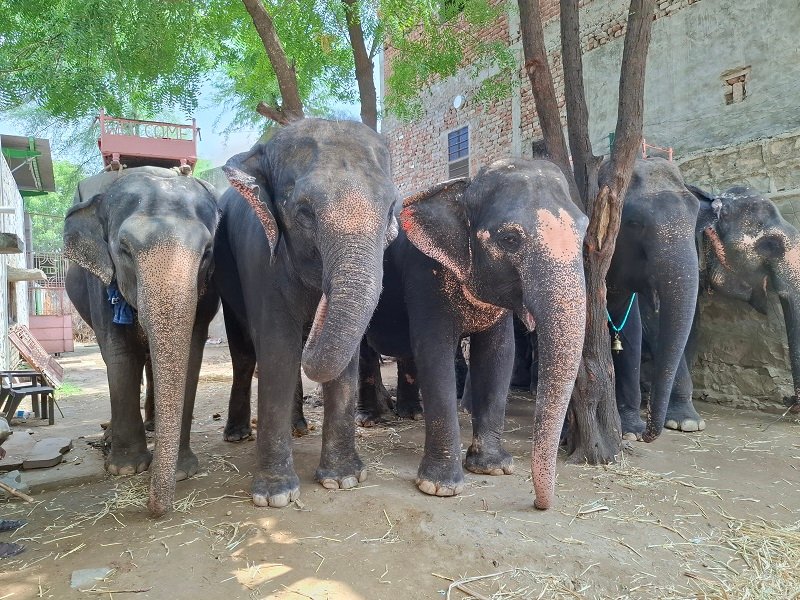
World Food Day is observed annually on October 16, marking the founding of the Food and Agriculture Organization (FAO) of the United Nations in 1945. World Animal Day is celebrated on October 4 every year in honour of St. Francis of Assisi, as conceived by Heinrich Zimmermann. The first week of October is celebrated as Wildlife Week in India. On these multiple occasions concerning wild animals, domestic animals, and farm animals, World Animal Protection renews calls for humane treatment for animals that are suffering in factory farms and in captivity for entertainment. These include the elephants that are routinely abused for rides in Amer Fort in Jaipur, Rajasthan.
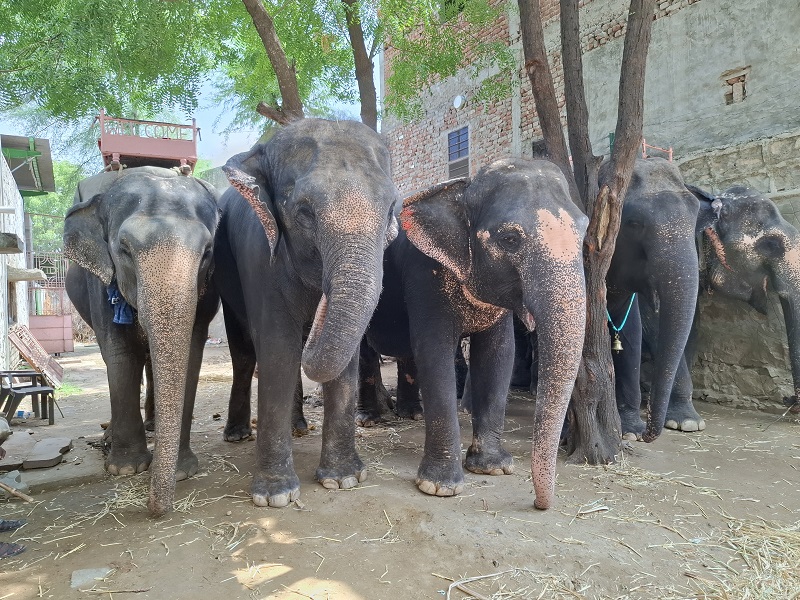 |
Elephants in Haathi Gaon in Jaipur in Rajasthan Photograph Credit : Shubhobroto Ghosh
“As the global community observes World Food Day on October 16, 2026, under the guiding theme “Innovate today. Nourish tomorrow.” attention turns intensely toward building truly sustainable food and agricultural systems. In India, achieving comprehensive food security requires looking far beyond food availability to address the profound confluence of agriculture, animal welfare, and ecosystem conservation. True food security cannot exist in isolation from how we treat sentient creatures and the fragile natural networks that sustain all life on Earth,” says Gajender Kumar Sharma, Country Director of World Animal Protection in India.
Livestock farming for food is also linked to the destruction of pristine forests, and World Animal Protection has been promoting plant-based diets for a more responsible and environmentally friendly footprint. Proper labelling of vegetarian, non-vegetarian, and vegan products also goes a long way toward making consumers aware of their impact on the planet. The recently concluded BRICS Summit in India declaration mentions zoonotic diseases and includes cooperation on zoonotic threats and global health security, as well as biodiversity conservation, conservation of rare species and big cats, and sustainable livestock development. The government of India has very kindly informed World Animal Protection that animal welfare and wildlife trade will be addressed in future BRICS gatherings, where appropriate.
The government of India is positive toward embracing the concept of One Health, which encompasses animal welfare, human health, and environmental protection. Factory farming exacerbates the risk of zoonoses and the risks of epidemics. In the wake of coronavirus, it has become an imperative to treat animals humanely in all situations and to make systemic changes to animal rearing processes that are utilised to produce meat, fish, dairy, and eggs. World Animal Protection has welcomed the second Anti-Microbial Resistance Plan of the Government of India to address the damage to animal welfare, harm to human health, and the destruction of the environment that accompanies the irresponsible use of antibiotics in the chicken and livestock rearing industries. World Animal Protection continues to engage with various stakeholders on both wildlife and food systems to eliminate cruelty to animals.
Engaging with important stakeholders on the occasion of World Animal Day and Wildlife Week, World Animal Protection conducted a sensitisation programme with over two hundred and fifty students, parents, and teachers during an NGO gathering organised by the Cambridge School, Srinivaspuri on the occasion of the Parent-Teacher meeting. The occasion was a very fruitful one that resulted in many memorable interactions that brought to light many instances of animal abuse in food, fashion, and wildlife in entertainment. Several individuals expressed their interest in finding humane alternatives to cruel animal products like fur, leather, feathers, and silk, and also resolved not to patronise animal abuse in the wildlife entertainment sector by avoiding elephant rides and refusing to attend close-contact sessions with big cats in captive tiger venues in countries like Thailand.
As part of the ongoing corporate engagement, five tour companies, UnBound Expeditions, Going Wild Tours, Hetalbon Resort , North East Travels and Wild Paw Adventures have taken the wildlife friendly pledge of World Animal Protection and do not offer elephant rides in their itineraries. Engagement continues on developing humane food systems with relevant government and non government agencies as well.
Highlighting the importance of keeping wild spaces in India and free from the impacts of factory farming needs robust research and investigation. In this regard it is notable to read the book, ‘Rewilding India: The CWS Story’ written by Deepa Padmanaban and edited by Dr. Krithi K. Karanth. There is considerable work to do in India to determine how rearing animals for food impacts our wild spaces and this book gives us food for thought on the importance of wild areas in India and beyond.
Today we are witnessing unprecedented cases of wildlife trade all over the world, and India has become a hotbed of wild animal seizures that point to a growing demand for non-native exotic pets. World Animal Protection is also grateful to influencers like Bhagyashree and Koneenica Banerjee for promoting compassion to animals in all walks of life. Our campaign for humane treatment of all sentient beings continues in all possible ways.
For more information, please contact
Contact Person: Mr. Gajender Kumar Sharma, Country Director, World Animal Protection in India
Email: gajenderksharma@worldanimalprotection.org.in
Mobile Phone: +91 9313333283

YOU MAY LIKE THIS